

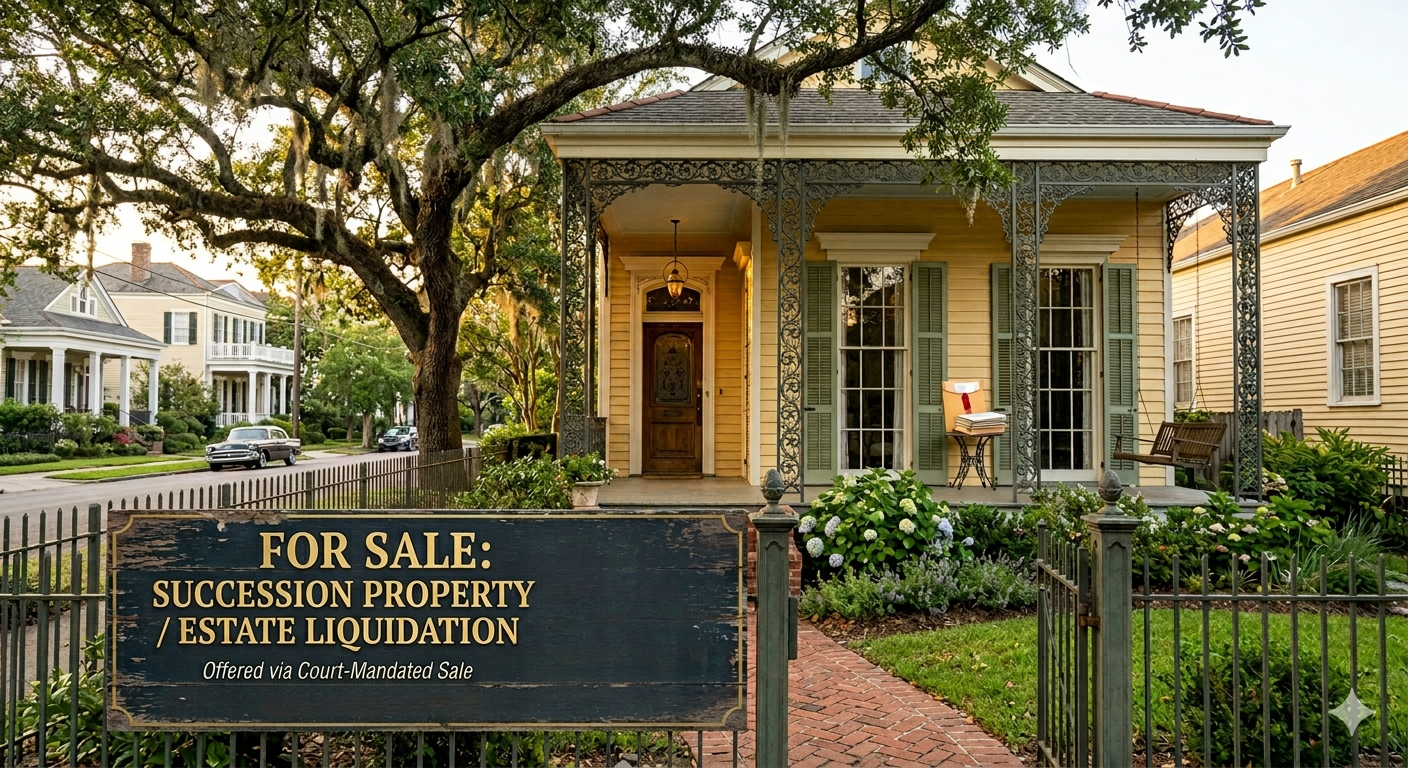
An inherited home in New Orleans often comes with more than square footage. It may hold family history, deferred maintenance, shared ownership questions, and a timeline that suddenly feels urgent. If you are selling inherited house New Orleans property, the right approach is not just about getting it listed - it is about making careful decisions that protect value and reduce stress.
Selling inherited house New Orleans owners: what comes first
Before paint colors, staging, or photography, you need clarity on authority and title. Inherited property sales can look straightforward from the outside, but the first real question is whether you have the legal right to sell now, or whether probate or succession must be completed first. In Louisiana, succession rules matter, and they can affect both timing and what a buyer can realistically close on.
That does not mean every inherited sale becomes a drawn-out legal project. Some homes transfer cleanly, especially when estate planning documents are in place. Others involve multiple heirs, unclear ownership interests, or old title issues that need to be addressed before the property can be marketed with confidence.
This is where many sellers lose time. They assume the house can go on the market immediately, only to find out later that documents are missing or signatures are needed from family members who do not agree on next steps. A measured start usually saves more time than a rushed one.
Start with the legal and financial picture
An inherited home sale works best when the practical details are organized early. That includes confirming who owns the property, whether there is an outstanding mortgage, what taxes are due, and whether there are liens, code violations, or insurance issues. In New Orleans, older homes can also come with permit history questions or long-standing repair needs that affect buyer confidence.
You will also want to understand the carrying costs. Property taxes, utilities, lawn care, insurance, and storm preparation expenses can add up quickly, especially if the home is vacant. A vacant inherited property in the summer or during hurricane season requires a different level of attention than an occupied house.
If there are multiple heirs, decisions should be discussed early and plainly. One person may want to sell quickly, another may want to renovate first, and a third may be emotionally attached and resistant to any sale at all. Those conversations are rarely easy, but they are easier before the listing strategy is underway.
Price strategy matters more than most heirs expect
Inherited homes are often priced from memory rather than market evidence. A family may remember what the home looked like years ago, or what a neighbor claimed their house was worth, but buyers are evaluating current condition, location, floor plan, insurance realities, and comparable sales happening now.
New Orleans is especially sensitive to neighborhood nuance. A historic Uptown property, a condo in the Warehouse District, and a Gentilly single-family home do not attract the same buyer pool or respond to the same pricing strategy. Even within the same neighborhood, one or two blocks can change buyer demand.
That is why inherited property pricing should account for more than size and bedroom count. Buyers notice whether the house has updated systems, whether it sits in a preferred flood zone, whether off-street parking is available, and whether the architecture has been preserved well or altered awkwardly. The most successful pricing strategy reflects what buyers in that exact micro-market are willing to pay, not what the family hopes the home might command.
Overpricing is especially costly with inherited homes. Buyers often assume an estate sale may present an opportunity, so if the home is priced too aggressively and also needs work, it can sit. Once a listing lingers, buyers tend to negotiate harder.
Should you sell as-is or make repairs?
This is where the answer is usually: it depends.
Some inherited homes benefit from light preparation. Fresh paint, landscaping, deep cleaning, lighting updates, and minor repairs can improve first impressions without overinvesting. In a city where charm sells, simple improvements that let original details stand out can have a meaningful impact.
Other properties need more than cosmetic help. If the roof is near the end of its life, the HVAC is failing, or there are visible foundation concerns, a seller has to decide whether making repairs is worth the time and expense. The right choice depends on the home’s price point, neighborhood, condition, and the estate’s goals.
A full renovation is not always the smart move. Many heirs underestimate the cost, oversight, and delay involved, especially if they do not live nearby. In some cases, selling the home as-is with honest pricing is the better financial decision. In others, selective work can widen the buyer pool and improve the final net proceeds.
The best strategy is not the one that makes the house look perfect. It is the one that aligns investment with likely return.
Preparing a New Orleans inherited home for market
Selling an inherited property here requires a local lens. Historic homes and older residences carry details that can either elevate value or create hesitation, depending on condition and presentation. Original wood floors, transoms, millwork, and architectural character often attract buyers. At the same time, aging electrical systems, old plumbing, termite history, and moisture issues can complicate a deal.
Preparation should be thoughtful. Remove excess personal items, but do not strip the house of warmth. Secure insurance coverage that matches the property’s occupancy status. Make sure the home is clean, accessible, and safe for showings and inspections. If the house has been vacant, check for issues that can appear quietly, such as leaks, mold, or exterior deterioration.
Professional marketing also matters. Inherited homes are sometimes treated like simple liquidation sales, but that can leave money on the table. Strong photography, measured positioning, and neighborhood-specific messaging can help buyers see the property’s potential instead of just its to-do list.
Buyer concerns you should expect
Buyers approach inherited properties with interest, but also caution. They may worry that the sellers have limited knowledge of the home’s condition, or that estate paperwork could delay closing. If the property is older, they may also anticipate larger inspection findings.
That does not mean buyers will shy away. It means they want transparency and a process that feels well-managed. Clear disclosures, realistic pricing, and organized documentation help build trust. So does a listing strategy that answers obvious questions before they become negotiation issues.
In many cases, inherited home sales are won or lost during inspection and due diligence. Sellers who go in prepared tend to hold their position better. Sellers who are surprised by every buyer concern often end up giving away value in credits or price reductions.
Timing the sale without forcing it
There is often pressure to sell quickly after a death, especially when the house is empty or family members live out of town. Sometimes speed is the right priority. Sometimes it is not.
If the property is costing the estate money each month, if maintenance is becoming a burden, or if heirs need resolution, an efficient sale may be the best path. But moving too fast without succession clarity, a pricing strategy, or basic preparation can create preventable setbacks.
The strongest inherited home sales balance urgency with discipline. That means understanding what must be handled immediately and what can be handled strategically. A well-run process usually feels calmer, even when the timeline is tight.
Why local representation makes a difference
Inherited property sales ask more of an agent than a standard listing. The work is part pricing strategy, part project management, and part steady guidance through a sensitive transition. In New Orleans, where housing stock is distinctive and neighborhood value can shift from block to block, local expertise matters even more.
A concierge-level approach can make a substantial difference. Sellers often need help coordinating vendors, evaluating whether repairs make sense, managing out-of-town logistics, and communicating clearly with multiple decision-makers. They also need honest advice. Not every inherited property should be marketed the same way, and not every family should take the same path.
That is where a brokerage like Raymond Real Estate can add real value - by combining market fluency, polished presentation, and client-centered guidance that keeps the sale moving without making it feel transactional.
Selling an inherited house is rarely just another real estate decision. It is a financial choice, a practical responsibility, and often an emotional one. When the process is handled with clarity and local insight, it becomes far easier to protect both your peace of mind and the property’s value.Learn More
Check out this article next