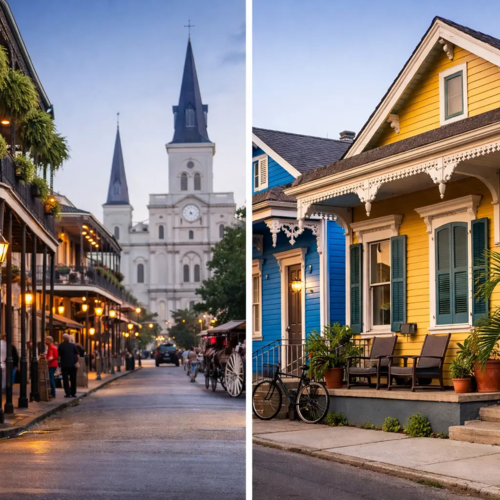

A buyer scrolling through New Orleans homes may give a listing less than two seconds before deciding whether to stop, save it, or move on. That is why a listing photos impact example is more than a marketing exercise. It is a practical look at how presentation affects attention, showings, and the leverage a seller has once offers begin.
For a home with original millwork, high ceilings, a courtyard, or a view across the city, the photographs must do more than document rooms. They need to convey proportion, light, condition, and lifestyle with enough accuracy to bring the right buyers through the door. A polished image strategy cannot make an overpriced home competitive, but it can ensure that a well-positioned property receives the consideration it deserves.
A Listing Photos Impact Example in New Orleans
Consider two comparable Uptown homes entering the market at similar price points. Both have three bedrooms, two-and-a-half baths, renovated kitchens, and the architectural details that buyers expect from a classic New Orleans residence. The difference is not the house. It is how each home is introduced.
The first listing uses quick interior snapshots taken on an overcast afternoon. The curtains are partly closed, countertop appliances remain in view, and several rooms are photographed from corners that make them feel narrower than they are. The exterior image shows cars along the curb and little of the home’s façade. Every fact in the listing may be correct, yet the visual impression is ordinary and slightly uncertain.
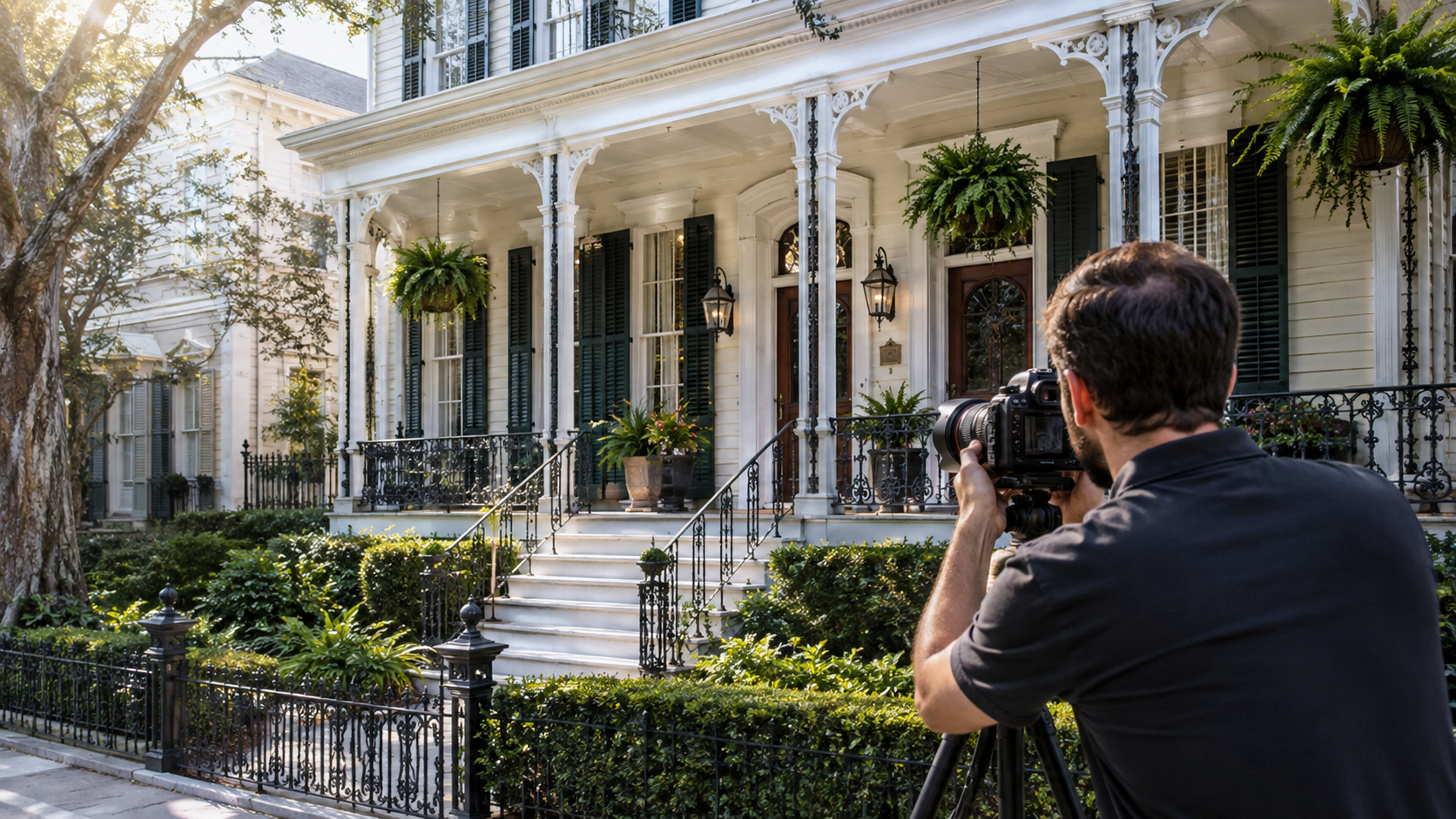
The second listing is prepared before the photographer arrives. Personal items are edited down, furniture is arranged to clarify circulation, and window coverings are adjusted to balance natural light with interior detail. The photographer captures a composed front exterior, the depth of the formal living room, the kitchen’s finishes, the primary suite, and the outdoor area at the time of day when it feels most inviting. Details such as a mantel, transom window, or original plaster medallion support the story without replacing the broader room views buyers need.
The second property is more likely to earn saves, shares, and appointment requests in its first days on the market. That early activity matters. It signals that buyers see value and can create the conditions for a seller to evaluate multiple serious opportunities rather than negotiate from a position of limited interest.
This is not because every buyer is persuaded by a beautiful photograph alone. Experienced buyers still compare price, location, floor plan, flood considerations, maintenance needs, and recent sales. But photos determine whether many of those buyers decide the home is worth seeing in person. When online interest is weak, even a strong property can lose momentum before its best audience has had a chance to appreciate it.
Why Photography Carries More Weight Than Many Sellers Expect
A listing is often a buyer’s first encounter with a home, and the buyer is usually comparing it against dozens of alternatives on the same screen. Clear, intentional photographs reduce uncertainty. They help a buyer understand whether a condo has usable living space, whether a historic shotgun has a functional flow, or whether a garden provides genuine privacy rather than a narrow patch of pavement.
In New Orleans, this is especially significant because housing stock is rarely interchangeable. A renovated unit in the Warehouse District competes differently than a Lakeview family home. A French Quarter residence may appeal because of its balcony, courtyard, and period details, while a buyer considering a Garden District property may be drawn first to scale, grounds, and architectural pedigree. Strong photography identifies the features that matter to the most likely buyer instead of treating every property as if it belongs to the same category.
It also establishes a standard before the showing. When the home looks carefully presented online and feels equally considered in person, buyers gain confidence. When the photographs are heavily edited, misleadingly wide, or disconnected from the showing experience, interest can fade quickly. The goal is not to create a fantasy. It is to make the property’s real strengths immediately legible.
The Difference Between Attractive Photos and Strategic Photos
A bright, well-composed image is a good start, but strategic listing photography begins with the selling narrative. Before a camera comes out, the marketing team should identify the home’s strongest reasons to buy.
For one property, that may be a rare one-story layout with off-street parking. For another, it may be a renovated historic interior within walking distance of dining and entertainment. A condominium could lead with a skyline view, building amenities, and an efficient floor plan. The image sequence should answer a buyer’s likely questions in a logical order: What is this home? What makes it distinct? How does it live? What does the setting offer?
That sequence is often overlooked. Leading with five detail shots before showing the main living areas can make it harder for buyers to orient themselves. Showing only wide rooms without revealing finishes or character can make a special home feel generic. The right mix includes exterior context, principal rooms, important upgrades, distinctive details, and outdoor living, with each image earning its place.
Professional photography is also a matter of restraint. Too many angles can dilute attention, while too few can leave buyers wondering what has been omitted. A skilled approach selects images that are flattering but credible. It anticipates what buyers will see at a showing and presents the home honestly at its best.
Preparing the Home for the Camera
Photography day should be treated as a focused marketing appointment, not an item to squeeze between errands. Small visual distractions become larger online. A charging cord, crowded refrigerator, mismatched bath products, or a full pet bowl can pull attention from an otherwise elegant room.
Sellers do not need to make their home look empty or impersonal. In fact, a completely bare space can feel cold and make dimensions harder to read. The aim is edited, inviting, and purposeful. Remove excess furniture that interrupts a room’s flow, clear kitchen and bath surfaces, store personal photographs, and make sure every light fixture works. Fresh towels, a made bed with tailored linens, and uncluttered outdoor spaces can significantly improve the final result.
Timing matters as well. Natural light changes dramatically from room to room, and exterior photographs may be strongest when the front of the home is evenly lit. For properties with courtyards, terraces, pools, or striking evening ambiance, a later exterior session may be worthwhile. It depends on the home and the buyer it is meant to attract. Twilight photography can add drama, but it should complement clear daytime images rather than substitute for them.
What Photos Can and Cannot Fix
High-quality images amplify a home’s appeal. They do not erase a challenging floor plan, deferred maintenance, a noisy location, or a price that exceeds what the market will support. If photos generate many online views but few showings, the issue may be the listing’s pricing, disclosures, positioning, or buyer expectations.
Likewise, a home with exceptional bones should not be photographed as though it has already been fully renovated. Buyers may feel disappointed when a showing reveals work that was not apparent online. Clear presentation is protective for sellers, too. It attracts buyers who understand the property and are more likely to make informed offers.
The strongest campaigns pair photography with accurate pricing, thoughtful staging guidance, precise property details, and a showing experience that reflects the same level of care. At Raymond Real Estate, that is part of delivering a luxury experience at every price point: presenting each home with strategy, local perspective, and respect for what makes it valuable.
For sellers, the question is not simply whether professional photography looks better. It is whether the first impression gives qualified buyers a compelling, truthful reason to take the next step. When the answer is yes, the home enters the market with greater clarity, stronger appeal, and a better opportunity to be seen for what it is worth. Learn More
FAQs: How Listing Photos Impact Home Sales in New Orleans
How important are listing photos when selling a home in New Orleans?
Listing photos are extremely important because they often create a buyer’s first impression of the property. High-quality photos can make a home stand out online, generate more showing requests, and help buyers visualize themselves in the space before they ever schedule a tour.
Can professional photos help my New Orleans home sell faster?
They can. Strong photography may attract more attention during the critical first days a property is on the market. More online interest can translate into additional showings and potentially stronger offers.
What should listing photos highlight in a New Orleans home?
Photos should showcase the features that make the property memorable, including renovated kitchens and baths, original hardwood floors, high ceilings, fireplaces, porches, courtyards, historic architectural details, outdoor entertaining areas, and attractive landscaping.
Do listing photos matter more now that buyers search online?
Yes. Most buyers begin their home search online, where they may make an initial decision about a property in seconds. Bright, professionally composed photos can encourage buyers to stop scrolling, view the full listing, and schedule a showing.
Should I have my home professionally staged before photos?
Not every property requires professional staging, but every home should be prepared carefully. Decluttering, cleaning, removing excess furniture, opening curtains, improving lighting, and making each room feel spacious can dramatically improve the photographs.
Can poor listing photos hurt the sale of a good property?
Absolutely. Dark rooms, clutter, poor angles, blurry images, or too few photos can make a property appear smaller or less appealing than it actually is. Buyers may overlook an otherwise excellent home simply because the online presentation does not capture its potential.
Should exterior and neighborhood features be included?
Yes, particularly when location is an important selling point. Photos of a front porch, courtyard, backyard, balcony, pool, architectural façade, or attractive streetscape can help communicate the lifestyle associated with the property.
Are twilight photos worthwhile?
For certain properties, especially luxury homes or houses with impressive outdoor lighting, pools, balconies, or entertaining areas, twilight photography can create a dramatic presentation and help the listing stand out.
Should listing photos be edited?
Professional adjustment of brightness, exposure, color, and perspective is common and can make photographs more accurate and appealing. However, editing should not materially misrepresent the property or remove permanent defects that buyers would reasonably expect to see.
How can a seller get the best listing photos possible?
Prepare the property before the photographer arrives. Clean thoroughly, declutter counters, remove personal items, make beds, hide cords and trash cans, replace burned-out bulbs, open blinds, tidy outdoor areas, and make sure every room is photo-ready.
Do luxury homes require a different photography strategy?
Often, yes. Luxury marketing may include professional architectural photography, aerial photography, twilight images, detailed amenity shots, and carefully planned compositions that emphasize design, craftsmanship, views, and lifestyle.
What is the biggest mistake sellers make with listing photos?
Treating photography as an afterthought. A home can be priced correctly and beautifully maintained, but weak presentation can reduce initial buyer interest. In a competitive New Orleans market, strong photography should be part of the listing strategy from the beginning.
Why should sellers invest in strong visual marketing?
Your online listing is effectively your home’s digital storefront. Great photography helps create an emotional connection, showcases the property's strongest features, and gives buyers another reason to schedule a private showing.
Check out this article next