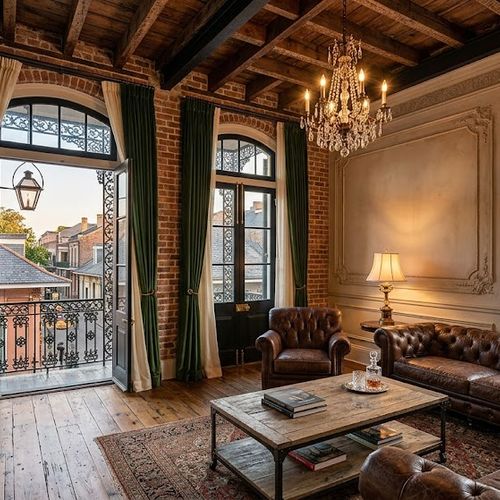


A home search in New Orleans usually starts with one question that sounds simple and quickly gets complicated: where should we actually live? A useful new orleans area guide has to do more than name neighborhoods. It should help you match lifestyle, architecture, commute, school preferences, walkability, and budget with the part of the metro area that feels right long after closing day.
New Orleans is not a one-note market. Two homes with similar square footage can offer completely different daily experiences depending on the block, flood profile, lot size, parking, and proximity to commercial corridors. That is why area knowledge matters so much here. Buyers are not just choosing a house. They are choosing a rhythm of life.
How to use this New Orleans area guide
The best way to read a New Orleans area guide is to think in layers. Start with your non-negotiables, such as commute time, price range, property type, and whether you want a historic home, a newer build, or a condominium. Then move to lifestyle factors like restaurant access, outdoor space, school options, and how much activity you want around you on a typical weeknight.
For some buyers, character is the priority. They want original wood floors, high ceilings, and architecture that feels distinctly New Orleans. For others, convenience leads the search. They may prefer lower-maintenance living, off-street parking, an elevator building, or a shorter drive to major employment centers. Neither approach is better. The right fit depends on how you live.
New Orleans proper: character, convenience, and variety
New Orleans proper offers the broadest mix of housing styles and neighborhood personalities. It also asks buyers to be more precise, because conditions can change noticeably from one pocket to the next.
Uptown and Audubon
Uptown remains one of the most consistently sought-after areas for buyers who want classic New Orleans architecture, established trees, and access to parks, schools, universities, and local shopping streets. You will find everything from grand historic residences to renovated doubles and polished condos. The appeal is easy to understand: the neighborhood feels residential and livable, but it is still connected to the city’s cultural core.
The trade-off is price. Prime Uptown blocks often command strong values, especially for homes with parking, outdoor entertaining space, and updated systems. Buyers who love the location may need to decide whether they want turnkey condition or are willing to take on a renovation. Explore Uptown
Garden District and Lower Garden District
For buyers drawn to prestige, walkability, and exceptional architecture, the Garden District and Lower Garden District are perennial favorites. These neighborhoods offer a highly recognizable New Orleans lifestyle, with historic homes, elegant facades, and access to restaurants, boutiques, and the St. Charles corridor.
Inventory here can be limited, and historic homes often come with higher maintenance expectations. That does not make them less desirable. It simply means buyers should weigh charm against practical needs such as storage, parking, and future upkeep. Explore the Garden District
Lakeview
Lakeview attracts buyers who want a more spacious residential feel while staying within New Orleans city limits. Larger lots, easier parking, and a more suburban layout appeal to households that value room to spread out. Many homes are newer or substantially rebuilt, which can be attractive for buyers who want modern floor plans and less deferred maintenance.
The feel here is different from older, denser parts of the city. If your priority is porch culture and immediate walkability to historic commercial strips, another neighborhood may suit you better. If you want functionality, family-friendly streets, and access to parks and the lakefront, Lakeview deserves a close look.
Mid-City
Mid-City sits in a sweet spot for many buyers because it balances neighborhood character with accessibility. It offers a mix of bungalows, shotguns, raised homes, and renovated properties, with strong access to City Park, the streetcar, medical centers, and local dining.
This is often a smart area for buyers who want an in-town location without the pricing of the most elite historic districts. Still, value can vary quickly based on condition, exact location, and parking. Mid-City rewards careful block-by-block evaluation.Explore Mid City
Warehouse District and downtown condos
Condominium buyers often focus on the Warehouse District and nearby downtown pockets for good reason. These areas can offer secure buildings, amenities, lower exterior maintenance, and a more lock-and-leave lifestyle. Professionals, second-home buyers, and those downsizing from larger homes often appreciate the simplicity.
The main consideration is fit. Condo living works well for buyers who want convenience and urban energy. It may feel less ideal for those who prioritize private outdoor space, large garages, or the independence of a detached home. Explore the Warehouse District
Metairie and Jefferson Parish: practical luxury and everyday ease
A complete new orleans area guide should include Metairie, because many buyers want close proximity to the city with a different residential feel. Metairie offers established neighborhoods, strong retail access, wide-ranging home styles, and practical convenience. Depending on the section, buyers may find everything from ranch-style homes and new construction to larger custom residences.
Old Metairie, in particular, appeals to buyers seeking a more polished residential setting with excellent long-term desirability. It offers charm and prestige without mirroring the exact density or housing stock of New Orleans proper. Other parts of Metairie can provide more value, more lot space, or easier parking, which matters for many households.
For buyers relocating from outside the area, Metairie often feels familiar in the best sense. Day-to-day errands are straightforward, and the housing stock can be easier to compare than in some of New Orleans’ more architecturally varied neighborhoods. The compromise, if there is one, is that you may give up some of the distinct historic texture that draws people to the city itself.
The Northshore: space, schools, and a different pace
Some buyers begin their search in New Orleans and eventually realize their priorities point north of the lake. The Northshore, including communities like Mandeville, Covington, and Madisonville, attracts those looking for larger homesites, newer construction, and a more suburban or small-town atmosphere.
This option tends to work well for buyers who value space, certain school preferences, and a quieter daily environment. The commute becomes the major variable. For some professionals, crossing the Causeway is an easy trade for more house and land. For others, especially those who want to be immersed in city life, it can feel too removed.
The Northshore is not a backup plan. For the right buyer, it is the best plan. The key is being honest about how often you want to be in the city and how much you value a larger footprint at home.
What home style says about location
In this market, property type and neighborhood choice are closely tied. If you want a historic home with period detail, your search will naturally concentrate in older parts of New Orleans. If you prefer a low-maintenance condo with amenities, your options shift toward downtown, the Warehouse District, and selected Uptown buildings. If you need newer systems, open layouts, and more predictable parking, Lakeview, Metairie, or certain newer developments may be more practical.
This is where buyers benefit from strategic guidance rather than broad advice. It is easy to fall in love with a home online. It is more valuable to understand whether that home aligns with your daily routine, future plans, and comfort level with maintenance.
Price, value, and the block-by-block reality
New Orleans real estate does not behave in neat, uniform patterns. Pricing can vary significantly even within the same neighborhood, and value is influenced by more than finishes and square footage. Elevation, flood insurance considerations, renovation quality, parking, lot dimensions, and the appeal of a specific block all matter.
That is why broad averages only tell part of the story. A buyer comparing three neighborhoods may find that one offers the best architecture, another offers the best convenience, and a third provides the strongest balance of space and cost. The smartest decision is rarely about chasing the lowest number. It is about understanding what you are truly getting for the price.
For sellers, the same principle applies in reverse. Positioning a property correctly depends on hyper-local context. In a market this nuanced, precision creates confidence.
Choosing the right area with confidence
The strongest home searches start when buyers stop asking, what is the best neighborhood, and start asking, what is the best fit for us? That shift changes everything. It moves the process from guesswork to strategy.
A refined, useful search should account for how you spend mornings, where you work, how often you entertain, whether you want to walk to dinner, and how much home maintenance you want to take on. It should also leave room for trade-offs. You may choose more character over more square footage, or more convenience over a larger yard. There is no perfect answer, only the right alignment.
At Raymond Real Estate, that local perspective is what turns browsing into real direction. The New Orleans market rewards buyers and sellers who move with clarity, and the right area is usually the one that supports not just your purchase, but your life after it. Start there, and the rest of the search becomes far more manageable. Learn More
Check out this article next