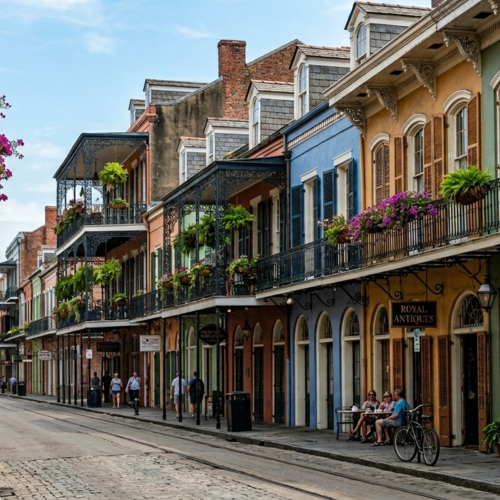


A contract deadline can look straightforward on paper, then New Orleans adds its own layer of reality. If you're wondering how long to close New Orleans homes typically take, the short answer is about 30 to 45 days for a financed purchase and sometimes less for cash. The better answer is that closing time here depends on the property, the financing, the inspection findings, and how quickly each party handles the details.
For buyers and sellers, that timing matters. It affects moving plans, rate locks, insurance, utility transfers, lease endings, renovation schedules, and in some cases whether a deal feels calm or rushed. In a city where every block can bring a different style of home, age of construction, and insurance consideration, realistic expectations are part of a smooth transaction.
How long to close in New Orleans on average?
Most financed home sales in New Orleans close in roughly 30 to 45 days from the date the contract is accepted. That is the common range buyers and sellers should expect in a well-managed transaction. Cash sales can close faster, sometimes in as little as 10 to 21 days, but only if title, inspections, and documentation move cleanly.
That said, average timing is not a guarantee. A newer condo with strong building documentation may move more efficiently than a historic Uptown home that needs additional review. A well-qualified buyer with a responsive lender usually closes faster than a buyer still gathering financial paperwork after the contract is signed.
In practice, the closing timeline is shaped by several overlapping milestones. The inspection period comes first, then appraisal and underwriting for financed deals, then title work, insurance clearance, final lender approval, and closing disclosures. If any one of those pieces stalls, the whole calendar can shift.
Why New Orleans closings can take longer
Real estate timelines are local, and New Orleans is not a copy-and-paste market. The city has beautiful housing stock, distinctive neighborhoods, and a lot of homes with age, character, and complexity. Those qualities are part of the appeal, but they can also create extra work between contract and closing.
Historic properties are one of the biggest factors. Older homes often require more careful inspection, and buyers may negotiate repairs, credits, or additional specialist evaluations after the initial report. Electrical systems, roofing, plumbing, foundations, and termite history can all lead to more discussion than you might see in a newer property.
Insurance is another major variable. In New Orleans, hazard insurance, flood considerations, and wind coverage can affect the pace of a deal. Buyers often need more time than expected to gather quotes and satisfy lender requirements. If the property has unique features, prior claims, or elevation-related questions, insurance approval may take longer than the contract calendar first suggests.
Condominiums can bring their own timeline issues. Even when the unit itself is straightforward, the lender may need association documents, budgets, bylaws, questionnaires, or proof of insurance from the HOA. If those documents are delayed, the buyer's loan file can sit waiting.
Then there is title. New Orleans transactions can involve successions, surveys, permits, old encroachments, or other title-related matters that need to be resolved before closing. Most are manageable, but they are not always quick.
The stages that shape the timeline
The contract acceptance date starts the clock, but several stages decide whether the deal closes in 30 days or stretches beyond 45.
Inspection and negotiation
The first week or two is often the most active. The buyer schedules inspections, reviews findings, and decides whether to move forward as-is, request repairs, or negotiate a credit. This stage can move quickly when the property is in strong condition, but it can also expand if multiple inspections are needed for structure, HVAC, termites, or roofing.
For sellers, quick and thoughtful responses matter here. For buyers, clarity matters just as much. The more focused the negotiation, the easier it is to protect the closing date.
Loan processing and appraisal
If the buyer is financing, the lender's timeline is central. The loan application, document collection, underwriting review, and appraisal all need to line up. Even strong borrowers can hit delays if they change jobs, move money between accounts, make large purchases, or wait too long to submit requested paperwork.
Appraisals can also affect pace. If the appraiser's schedule is backed up or the report raises value questions, the closing date may need to move. In a neighborhood-specific market like New Orleans, comps can require careful analysis, especially for unique or high-character homes.
Title work and closing preparation
The title company or closing attorney reviews ownership records, liens, legal descriptions, and any issues that need correction before transfer. If title is clean, this stage may feel almost invisible. If not, it can become the main reason for delay.
At the same time, insurance must be finalized, utilities coordinated, and final figures prepared. Near the end, the lender issues the closing disclosure, which must be delivered within required timeframes before signing.
Cash deals are faster, but not always fast
A cash purchase usually removes the biggest timing variable: the mortgage. That alone can cut weeks off a transaction. But cash does not mean instant.
Inspections still need to happen unless waived. Title still has to be cleared. Insurance still needs to be secured. If the buyer wants a survey, condo document review, or repair negotiation, those steps can still push the closing date.
In other words, cash deals are often simpler, not magically exempt from process. A realistic expectation for many New Orleans cash closings is 10 to 21 days, with some taking longer depending on the property and title.
How buyers can help a New Orleans closing stay on track
The most efficient closings usually begin before the offer is written. A buyer who is fully pre-approved, understands the likely insurance requirements, and has funds documented is in a much stronger position than someone trying to organize everything after going under contract.
Once the contract is accepted, speed matters. Schedule inspections immediately. Send lender documents the same day they are requested. Avoid major financial changes until after closing. If the property is a condo or historic home, be prepared for extra review rather than assuming a standard suburban timeline.
It also helps to stay flexible without becoming passive. Questions should be answered quickly, but every issue does not need to become a crisis. The right guidance keeps the transaction moving while protecting your interests.
How sellers can avoid unnecessary delays
Sellers have more influence over the timeline than many realize. Homes that are priced correctly, well-prepared, and clearly documented tend to move through escrow with fewer surprises.
If you are selling, gather key information early. That can include past repair records, permit documentation, elevation certificates if available, condo association details, and any information tied to insurance or prior claims. If the home has known quirks, addressing them up front is often better than letting them surface late in the process.
Responsiveness is equally important. Delayed replies during inspections, repair negotiations, or title questions can cost days very quickly. A polished transaction is rarely accidental. It comes from preparation and steady communication.
When 30 days is realistic - and when it isn't
A 30-day closing is very realistic when the buyer is well-qualified, the lender is proactive, the property is straightforward, and title is clean. Many New Orleans deals fit that profile.
It becomes less realistic when the property is older, the insurance process is layered, the condo documentation is slow, or the buyer's financing needs extra underwriting review. If the contract involves a chain of dependent moves, such as a seller buying another property at the same time, coordination can add complexity as well.
This is why experienced local guidance matters. A New Orleans transaction is not just about checking boxes. It is about anticipating where friction tends to appear and managing those points before they become closing-day problems. At Raymond Real Estate, that kind of preparation is part of delivering a higher level of service.
If you're planning a move, the smartest approach is to treat the closing date as a target supported by strategy, not wishful thinking. In New Orleans, the best transactions are the ones that respect the city's nuances while keeping every step organized, proactive, and carefully managed. Learn More
Check out this article next