

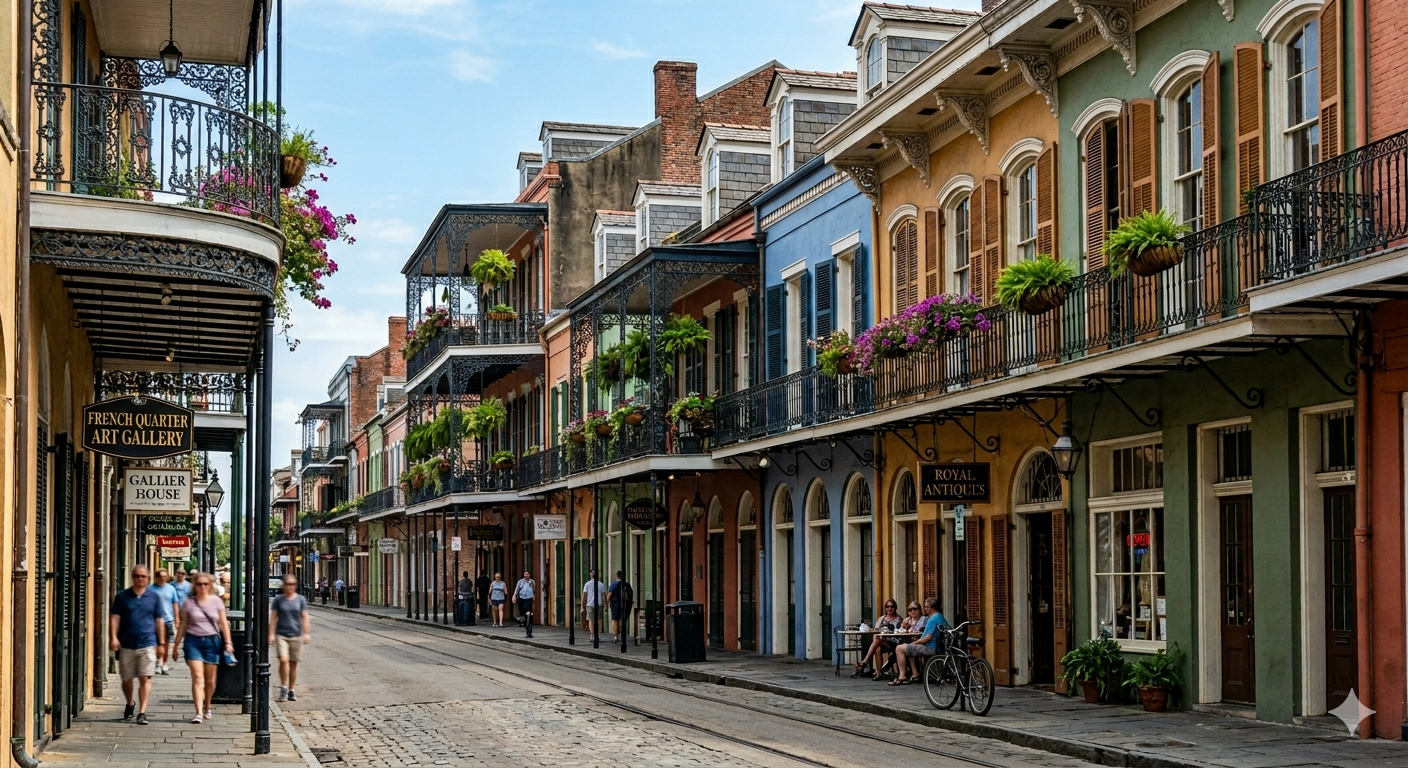
Stand on almost any block in New Orleans and the houses start telling you what matters there: shade, airflow, elevation, craftsmanship, and a deep respect for place. That is what makes a guide to New Orleans architecture so useful for buyers and sellers. In this city, style is never just cosmetic. Architecture often shapes maintenance costs, insurance considerations, renovation potential, and even how a home lives day to day.
For anyone entering the market, that matters. The most appealing home on first showing may come with historic restrictions, a pier-and-beam foundation, aging plaster, or a roofline that limits future changes. On the other hand, a less romantic exterior may offer the lock-and-leave convenience, storm resilience, and lower upkeep that fit your lifestyle far better. Knowing the architectural language of New Orleans helps you make a more confident decision.
Why architecture matters in New Orleans real estate
In many cities, architectural style is largely about taste. In New Orleans, it is also about function and context. Homes were shaped by heat, humidity, flooding concerns, narrow lots, changing cultural influences, and neighborhood development patterns that span centuries.
That means architecture often overlaps with value in very practical ways. Historic homes can command premium pricing because of their rarity, location, and design character. They can also require more specialized maintenance and more patience when updates are needed. Newer construction can offer efficiency and convenience, but not every buyer wants to trade original millwork and ceiling height for easier systems and lower immediate repair risk.
The right choice depends on your priorities. If you want a statement property in the Garden District, you may accept higher maintenance in exchange for scale, craftsmanship, and prestige. If you want a turnkey residence near downtown amenities, a newer condo may fit better. Neither is automatically better. The goal is alignment between architecture and lifestyle.
A guide to New Orleans architecture by style
Creole cottages
The Creole cottage is one of the city's most recognizable forms. Typically set close to the street, these homes often feature symmetrical facades, steeply pitched roofs, and a compact footprint. Many date to the late 18th and early 19th centuries, though later versions echo the same proportions.
For buyers, Creole cottages offer charm that is difficult to replicate. High ceilings, old-growth wood, and simple but elegant detailing create immediate character. The trade-off is usually space and flexibility. These homes can feel intimate rather than expansive, and depending on prior renovations, storage and closet space may be limited.
They also deserve careful evaluation for foundation movement, roof condition, and whether updates respected the original structure. A well-restored cottage can be exceptional. A poorly altered one can be expensive to correct.
Shotguns and double shotguns
If one home type defines residential New Orleans, it is the shotgun. Long and narrow, with rooms arranged one behind another, the style was a practical response to lot size and climate. The double shotgun mirrors that layout in two side-by-side units, a format still common in many neighborhoods.
Shotguns can be wonderful options for buyers who want historic character at a broader range of price points. They are especially common in areas where neighborhood identity and walkability are part of daily life. That said, layout matters. Some buyers love the flow and rhythm of a classic shotgun. Others prefer more privacy between rooms or need a more conventional setup for family life or remote work.
Renovation quality varies widely. Many shotguns have been beautifully modernized with updated kitchens and baths while keeping original details. Others have awkward additions that interrupt circulation or create inconsistent ceiling heights. In this style, good design choices make a significant difference.
Creole townhouses
In and around the French Quarter, Creole townhouses bring a more urban architectural experience. Think masonry construction, enclosed courtyards, wrought-iron balconies, and layered indoor-outdoor living. These properties often carry a level of romance buyers expect from New Orleans, but they are also serious real estate assets with distinct ownership considerations.
Because many are attached or in tightly regulated historic settings, maintenance and renovation can be more complex. Privacy, parking, and access may also differ from what suburban buyers expect. Still, for the right buyer, few property types offer the same sense of place.
Greek Revival and Italianate homes
As New Orleans expanded in the 19th century, Greek Revival and Italianate influences became prominent, especially in established residential neighborhoods. You will often see columns, generous porches, tall windows, elaborate brackets, and strong vertical proportions.
These homes often appeal to buyers seeking architectural presence. They can feel formal, elegant, and well suited to entertaining. They also tend to have larger footprints than cottages and shotguns, which can be an advantage for growing households or buyers who want separate living areas.
The trade-off is upkeep. Decorative exterior elements, wood windows, and older structural systems require ongoing attention. Buyers should look beyond curb appeal and understand the condition of roofing, drainage, electrical, and HVAC systems.
Victorian influences
Victorian-era homes in New Orleans often blend local forms with decorative trim, color, asymmetry, and ornamental detail. You may see Eastlake, Queen Anne, or hybrid interpretations rather than a single pure style.
These properties are often chosen with the heart first. They offer visual richness and individuality, which is part of their value. But restoration and maintenance can become more expensive when custom woodwork, exterior trim, and specialty materials are involved. Sellers of these homes also benefit when marketing clearly distinguishes between original historic detail and later cosmetic updates.
Raised basements and center-hall homes
In neighborhoods where larger lots and more formal residential planning took hold, raised-basement homes and center-hall layouts became common. These homes often sit higher off grade and can provide a stronger sense of separation between public and private spaces.
From a practical standpoint, elevation can be a meaningful advantage, though every property still needs to be evaluated individually for drainage, flood risk, and insurance implications. Many buyers appreciate the balance these homes strike between historic character and more flexible daily living.
Mid-century, contemporary, and condominium design
Not every buyer wants a historic house, and New Orleans absolutely offers alternatives. Mid-century homes, contemporary infill construction, and condominium residences provide cleaner lines, updated systems, and lower-maintenance living in many parts of the city.
These properties can be especially appealing to professionals, second-home buyers, and anyone prioritizing convenience. The trade-off is that some newer homes lack the architectural texture people associate with New Orleans. In condos, buyers should also evaluate the building itself, not just the unit - reserves, common-area condition, rules, and long-term maintenance planning all matter.
How neighborhood context shapes architectural value
Architecture in New Orleans does not exist in isolation. The same home style can perform very differently depending on where it sits. A shotgun in one neighborhood may attract buyers focused on charm and accessibility, while a similar home elsewhere may be judged more heavily on parking, lot size, or renovation level.
That is why local context matters so much. Historic significance, flood zone, walkability, commercial corridors, school access, and block-by-block appeal all influence how architecture is valued. A beautifully preserved home in a highly sought-after neighborhood may justify premium pricing even if the floor plan is less efficient. In a different setting, buyers may be less willing to compromise.
For sellers, this means pricing should never rely on style alone. For buyers, it means that understanding neighborhood patterns is just as important as understanding architectural vocabulary.
What buyers should look for beyond style
A strong guide to New Orleans architecture should go beyond aesthetics. In this market, buyers need to understand how a home's design affects ownership.
Start with structure and systems. Older homes may have pier-and-beam foundations, aging plumbing, historic windows, and materials that require specialized repair. None of that should automatically discourage you, but it should shape your budget and expectations.
Then consider livability. Ask whether the floor plan supports how you actually live. Historic homes often excel at atmosphere but can fall short on closets, parking, laundry placement, or open-concept space. Sometimes those are acceptable trade-offs. Sometimes they become daily frustrations.
Finally, consider stewardship. Owning a historic or architecturally distinctive home in New Orleans can be deeply rewarding. It can also require a level of care that not every buyer wants to take on. The best purchase is not the most picturesque home. It is the one that suits your goals, your tolerance for maintenance, and the way you want to live in the city.
For sellers, architecture is part of the story
When sellers understand the architectural significance of their home, marketing becomes sharper and more effective. Buyers respond to context. They want to know whether original details remain, how renovations were handled, and what makes the property authentic to its style and neighborhood.
That story has to be told with precision. Calling every older home historic or every renovation luxury does not build confidence. Specificity does. Original heart pine floors, restored shutters, ceiling medallions, updated systems, or thoughtful preservation work all carry more weight when presented clearly and credibly.
For a brokerage like Raymond Real Estate, that level of detail matters because New Orleans buyers are often choosing not just a home, but a version of the city they want to live in.
New Orleans architecture rewards close attention. The more you understand its forms, influences, and practical realities, the easier it becomes to separate passing attraction from lasting fit. In a city where homes carry history so visibly, the smartest move is often the one that respects both the beauty of the property and the life you plan to build inside it.
Check out this article next