

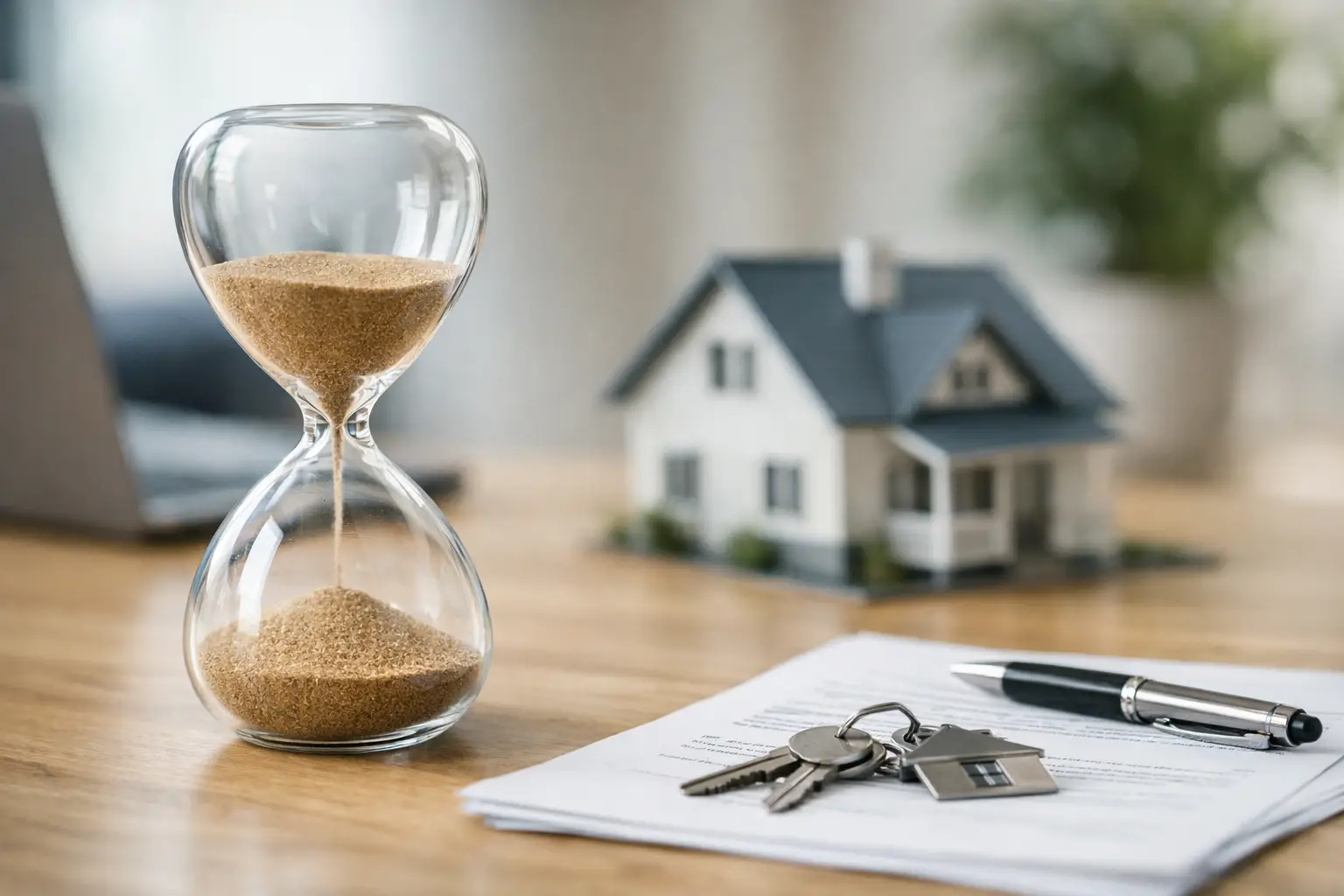
If you are under contract and already circling move-in dates on the calendar, one question tends to take over every conversation: how long does escrow take? In most residential transactions, escrow lasts about 30 to 45 days. That said, a straightforward cash purchase can move much faster, while a sale involving financing, repairs, insurance questions, or title issues can take longer.
For buyers and sellers in New Orleans, timing can feel especially personal. Historic homes, condominiums, older infrastructure, flood zone considerations, and insurance underwriting can all add nuance to the process. Escrow is not just a waiting period. It is the working stage of the transaction, where every major detail is verified, negotiated, documented, and cleared for closing.
How long does escrow take in a typical home sale?
A typical financed home purchase often takes 30 to 45 days from accepted offer to closing. That range is common because the lender, title company, escrow agent, appraiser, inspectors, insurance providers, and both parties all have work to complete. When everything stays on schedule, the process can feel efficient. When one piece stalls, the rest tends to follow.
Cash deals often close in as little as 7 to 21 days because they remove the mortgage timeline. There is no lender underwriting, fewer document requests, and no waiting for final loan approval. Even then, title work, inspections, and settlement preparation still need to happen.
The contract itself also matters. Some buyers write aggressive closing timelines to strengthen an offer. Others build in more time because they need to sell another property first, coordinate a relocation, or navigate condo review periods and financing requirements.
What happens during escrow?
Escrow begins after the seller accepts the buyer's offer and both parties sign the purchase agreement. At that point, earnest money is typically deposited, and the transaction moves into a structured period of due diligence and financial review.
During escrow, the buyer usually completes inspections, secures financing, and finalizes insurance. The title company researches the property's ownership history and looks for liens, judgments, boundary concerns, or other problems that could interfere with transfer. If the home appraises, the loan is approved, and any negotiated repairs or credits are resolved, the transaction moves toward closing documents and final signatures.
From the outside, escrow can look quiet. In reality, it is a tightly coordinated process with many moving parts behind the scenes. This is why experienced representation matters so much. Good guidance keeps small issues from becoming closing-week surprises.
The biggest factors that affect escrow timing
The most common reason escrow takes 30 to 45 days is financing. A buyer may be pre-approved, but full loan approval still requires income verification, asset review, credit confirmation, appraisal, and underwriting. If the lender asks for additional documentation, the timeline can stretch quickly.
Inspections are another variable. A clean inspection report can keep things moving. A report that reveals roof issues, plumbing concerns, termite damage, or deferred maintenance often triggers repair requests or credit negotiations. In older New Orleans homes, that is not unusual. Charming properties often come with systems and structures that deserve a closer look.
Title work can also affect the schedule. Most transactions move through title review without major trouble, but unpaid taxes, old permits, succession-related questions, survey discrepancies, or unresolved liens can delay closing. These issues are usually fixable, but they take time.
Insurance has become a larger factor as well. Buyers need a policy in place before closing, and homes in certain areas may require additional underwriting review or flood coverage. If a buyer shops for insurance too late, escrow can slow down at the very end when everyone expects to be finished.
Condominium purchases sometimes involve another layer. Condo documents, association budgets, bylaws, reserve studies, and lender approval requirements can all affect timing. A well-managed building helps, but condo escrows are not always as simple as they appear.
A week-by-week look at the escrow process
In the first week, the earnest money is deposited, the title file is opened, and the buyer schedules inspections and formally applies for the loan if that has not already happened. This is usually the busiest early phase because deadlines arrive quickly.
By the second and third weeks, inspection results are in, repair requests may be negotiated, and the appraisal is typically ordered and completed. The lender collects supporting documents and pushes the file through underwriting. At the same time, title review continues, and the buyer should be securing homeowners insurance.
During the fourth week and beyond, remaining conditions are cleared. If repairs were agreed upon, receipts or reinspection may be needed. The lender issues final approval, closing disclosures go out, and the title or escrow company prepares settlement figures and signing appointments.
This is the ideal version. In practice, one missing document, one contractor delay, or one underwriting condition can shift the calendar by several days.
Why some escrows close faster than expected
The fastest escrows usually share the same qualities. The buyer is well-qualified, paperwork is submitted promptly, the property is in strong condition, title is clean, and the parties make decisions quickly. Cash buyers have the obvious advantage, but financed deals can also move efficiently when everyone is prepared.
A responsive real estate team makes a noticeable difference here. When deadlines are monitored closely and communication stays clear, there is less room for preventable delay. That level of oversight is especially valuable in a market where every property has its own story.
Why some escrows take longer
Longer escrows are not always a sign that something is wrong. Sometimes the transaction simply has more complexity. A buyer may need down payment funds transferred, a lender may require extra review for self-employed income, or an appraiser may need comparable sales that are harder to find for a unique property.
In New Orleans, historic homes can present one-of-a-kind questions. Age alone is not a problem, but older electrical systems, foundation movement, roof age, or prior renovations can lead to additional review. On the seller side, inherited property or homes held in trusts or estates can require extra legal documentation before title is ready to transfer.
There is also the human side. Buyers and sellers are coordinating movers, work schedules, school timing, and travel. A short delay may be frustrating, but it is often manageable with the right expectations and steady communication.
How buyers and sellers can help escrow stay on track
Both sides have more influence over timing than they may realize. Buyers should submit financial documents immediately, schedule inspections early, avoid major credit changes, and start insurance quotes sooner than they think necessary. Waiting until the final week creates unnecessary pressure.
Sellers can help by responding quickly to repair requests, ensuring utilities stay on for inspections, and gathering any documents tied to permits, improvements, condo associations, or insurance claims. If title questions arise, fast cooperation matters.
Most of all, both parties benefit from working with professionals who anticipate issues before they become delays. At Raymond Real Estate, that kind of transaction management is part of delivering a luxury experience at every price point. The process should feel informed, well-managed, and calm, even when the details are moving quickly behind the scenes.
So, how long does escrow take if you want a real answer?
The honest answer is this: escrow usually takes 30 to 45 days, but the right expectation depends on the property, the financing, and the people involved. A clean cash purchase may close in under two weeks. A financed purchase with repairs, appraisal questions, or title issues may need 45 to 60 days.
That is why the smartest approach is not to fixate on a single number. It is better to understand the milestones, know where delays typically happen, and work with an agent who can guide the process with precision. When escrow is handled well, the experience feels less like a countdown and more like a carefully managed path to closing.
If you are buying or selling, the best next step is simple: plan for a smooth transaction, but leave room for the realities of the property and the market. A little preparation early on often saves a great deal of stress later. Learn More
Check out this article next
