

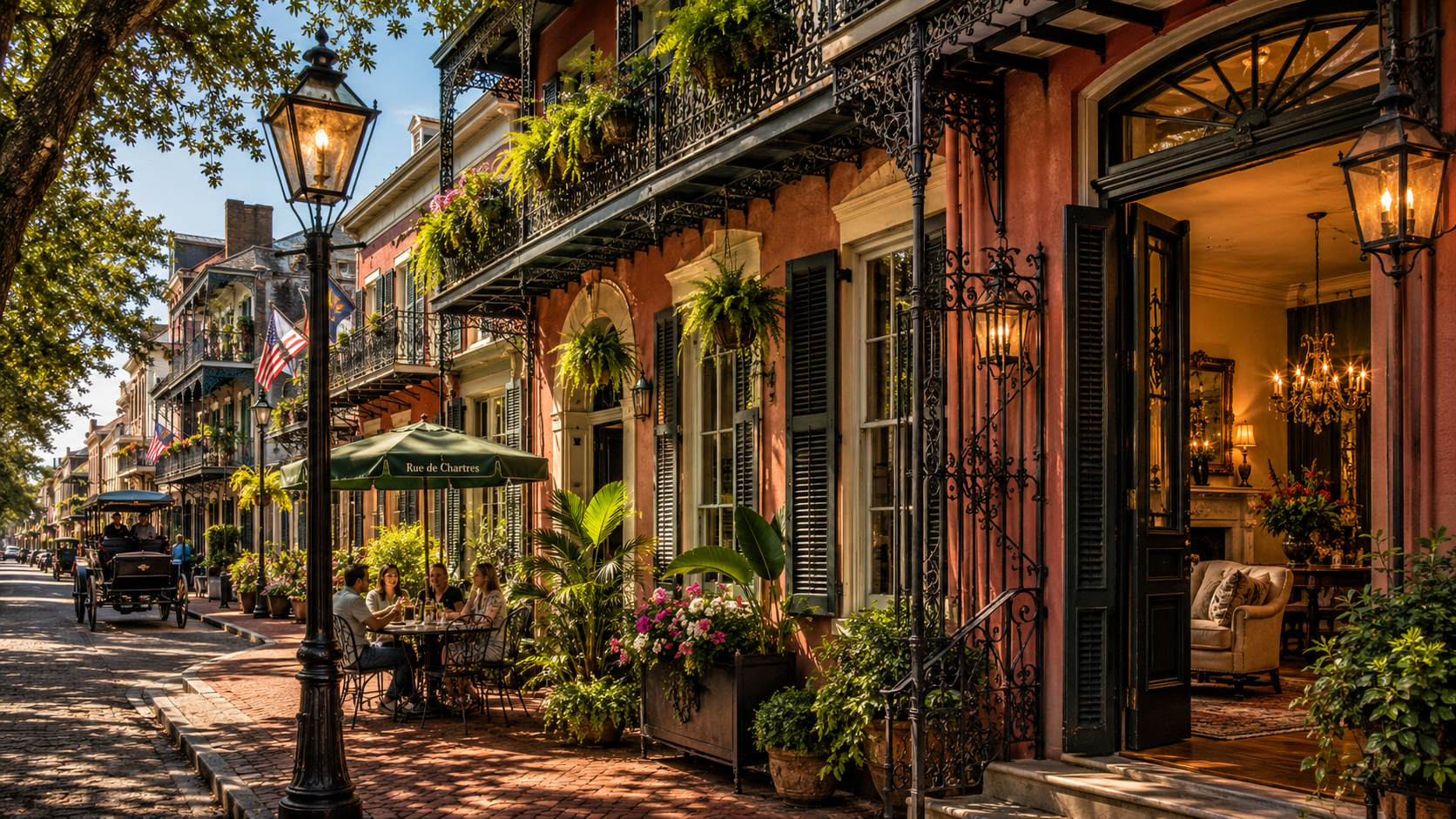
A charming shotgun near your favorite restaurant can be an excellent purchase. It can also become frustrating if every grocery run requires circling for parking, the second bedroom cannot fit a desk, or the insurance costs change the monthly equation. The best features for urban buyers are not always the ones that make the strongest first impression. They are the details that make a New Orleans home work well on an ordinary Tuesday.
For buyers considering a condominium, historic residence, or neighborhood home close to the city’s energy, the right priorities should reflect how you actually live. Location matters deeply, but so do resilience, access, ownership costs, and the condition of the systems behind the architecture.
Best Features for Urban Buyers: Start With Daily Convenience
Walkability is valuable because it gives a home more than a good address. Being able to reach coffee, groceries, restaurants, green space, or friends without getting in the car can change the rhythm of daily life. In New Orleans, this may mean a condo near the Warehouse District’s dining and cultural destinations, a Garden District home near Magazine Street, or a Mid-City property with convenient access to City Park and neighborhood businesses.
Still, walkability is personal. A buyer who travels frequently may prioritize proximity to the interstate or airport routes. Someone with a dog may place a higher value on nearby parks and sidewalks than on a short walk to nightlife. Visit at the times you expect to use the neighborhood most - early morning, after work, and on a weekend evening. What feels lively to one buyer can feel too active to another.
Parking deserves the same practical attention. Off-street parking, a garage, assigned condominium parking, or simply reliable street parking can carry meaningful value in dense neighborhoods. If you own two vehicles, host regularly, or rely on a car for work, confirm the real parking situation rather than assuming it will be manageable.
Resilience Is a Feature, Not an Afterthought
New Orleans buyers should evaluate a property’s elevation, flood zone, drainage, roof condition, and insurance profile early in the process. These are not merely inspection items to address after an offer is accepted. They influence comfort, long-term operating costs, lending, resale appeal, and confidence in the purchase.
For a raised historic home, the height of the structure and condition of the foundation may be central considerations. For a renovated property, ask how water management, electrical systems, plumbing, and roof work were handled. A beautiful renovation should be matched by sound work behind the walls. In a condominium, buyers should also understand the building’s insurance arrangement, maintenance history, reserve funding, and any planned capital projects.
There is no single ideal answer. A newer building may offer modern systems and lower-maintenance construction, while an older home may deliver character, scale, and an irreplaceable sense of place. The better choice depends on your tolerance for ongoing projects, desired lifestyle, and financial plan. The goal is clarity before you become emotionally committed.
Features That Support Lower-Stress Ownership
Buyers often focus on finishes during a showing, but the most useful features are frequently less visible. Updated electrical panels, quality windows, well-maintained HVAC equipment, functional gutters, and a newer roof can protect both your budget and your time. In a city with intense heat and humidity, efficient cooling and sensible insulation are particularly important.
Outdoor space also requires a closer look. A courtyard, balcony, porch, or backyard can be a major lifestyle advantage, especially for entertaining, pets, and quiet mornings at home. Consider the upkeep, drainage, sun exposure, privacy, and whether the space truly fits the way you will use it. A compact, well-designed courtyard may serve an urban buyer better than a large yard that demands constant maintenance.
Interior Flexibility Holds Its Value
Urban homes often ask rooms to do more than one job. A second bedroom may become an office, nursery, guest room, or exercise space. A dining room may serve as a workspace. Storage that seemed adequate during a quick showing can become limiting after a move.
Look beyond square footage and consider how the floor plan functions. Useful features include a genuine work-from-home area, closets that match the home’s size, pantry storage, laundry that is convenient rather than improvised, and enough separation between private rooms and entertaining areas. High ceilings and natural light can make a compact home feel generous, but they do not replace practical storage or a workable layout.
For condominium buyers, pay attention to what the building provides in addition to the unit itself. Secure package handling, elevators, bike storage, a staffed entrance, fitness facilities, shared outdoor areas, and reliable building management can materially improve city living. These amenities should be weighed against monthly association dues, not viewed as free extras.
Historic Character Requires a Clear-Eyed Approach
New Orleans architecture is a powerful draw. Original millwork, tall windows, plaster details, fireplaces, galleries, and wood floors can make a property feel singular. Those qualities are worth preserving, but historic charm is best enjoyed with a realistic understanding of maintenance.
Before buying, distinguish between cosmetic imperfections that contribute to character and conditions that need professional attention. Window operation, termite history, settling, exterior paint, roof flashing, and moisture management deserve careful review. A thoughtful inspection can help establish whether a home is simply historic or whether it has deferred maintenance that needs to be priced into your decision.
The same principle applies to renovations. Not every modernized historic home has been improved in the same way. Well-executed upgrades respect the property’s proportions and materials while addressing comfort and efficiency. A rushed renovation may look polished in photographs but leave important questions about permits, drainage, or mechanical work.
Understand the Costs Attached to the Address
The purchase price is only one part of an urban home’s financial picture. Property taxes, flood and homeowners insurance, utilities, maintenance, association dues, parking costs, and expected repairs all shape affordability. For condos, review association documents carefully for rules, budgets, reserves, pending assessments, rental restrictions, and the scope of what dues cover.
A lower-priced home that needs immediate roof work or carries unusually high insurance can cost more than a higher-priced home with stronger systems and a more favorable ownership profile. Conversely, a condominium with higher dues may be worthwhile if those dues cover services and maintenance you would otherwise manage independently. The right comparison is total monthly and long-term cost, not just the list price.
Let the Neighborhood Match Your Next Chapter
A purchase should support where you are going, not only where you are now. If you expect to work remotely more often, host family, adopt a pet, or simplify travel, give those changes weight. Buyers who plan to remain in place for years may value flexibility and storage more than a perfectly styled but rigid floor plan.
New Orleans rewards neighborhood-specific decision-making. The right home may be an architecturally significant residence near the avenues, a polished condo close to downtown, or a quieter property with room to grow. The most successful searches balance emotional connection with careful diligence, so the home feels compelling on the first visit and dependable long after closing.
A well-chosen urban property gives you access to the city you love without asking daily life to become unnecessarily complicated. Prioritize the features that protect your time, comfort, and confidence, then let the right address make the experience feel distinctly your own. Learn More
Frequently Asked Questions About the Best Features for Urban Buyers in New Orleans
What features do urban homebuyers value most in New Orleans?
Urban buyers in New Orleans often prioritize walkability, off-street parking, outdoor living space, updated kitchens, low-maintenance finishes, ample storage, and easy access to restaurants, entertainment, employment centers, and public transportation.
How important is walkability when buying a home in New Orleans?
Walkability is a major selling point in neighborhoods such as the French Quarter, Warehouse District, Central Business District, Uptown, Mid-City, Marigny, and Bywater. Buyers often value being able to walk to restaurants, coffee shops, grocery stores, parks, festivals, and entertainment venues.
Is off-street parking important for urban New Orleans properties?
Yes. Off-street parking, a private driveway, garage parking, or an assigned condominium parking space can significantly increase a property’s convenience and appeal. Parking is especially valuable in high-density neighborhoods where street parking may be limited.
Do New Orleans buyers prefer historic character or modern updates?
Many buyers want a combination of both. Original hardwood floors, exposed brick, high ceilings, fireplaces, balconies, and historic architectural details are highly desirable when paired with updated plumbing, electrical systems, kitchens, bathrooms, and climate control.
What types of outdoor spaces appeal to urban buyers?
Private balconies, courtyards, patios, rooftop terraces, porches, and small fenced yards are attractive to buyers who want outdoor space without the maintenance required by a large suburban property. Outdoor areas that provide privacy and room for entertaining are especially desirable.
Are energy-efficient features important in New Orleans?
Energy-efficient windows, proper insulation, newer HVAC systems, ceiling fans, smart thermostats, and energy-efficient appliances can help reduce utility costs during New Orleans’ hot and humid summers. These improvements may also make an older property more comfortable.
What condominium amenities are most valuable to urban buyers?
Popular condo amenities include secure or gated parking, elevators, swimming pools, fitness centers, rooftop terraces, package rooms, controlled building access, on-site management, and shared entertaining spaces. Buyers should also evaluate the monthly condo fees and the financial condition of the condominium association.
How important is storage in an urban home?
Storage is extremely important because many urban homes and condos have limited square footage. Walk-in closets, kitchen pantries, built-in shelving, attic space, bicycle storage, and private storage units can make a smaller property feel more functional.
Do urban buyers need a dedicated home office?
A dedicated office, flexible bonus room, or built-in workspace has become increasingly desirable. Even in a smaller condo or historic home, a quiet area for remote work can improve the property’s functionality and resale appeal.
Should buyers consider flood risk when choosing an urban New Orleans property?
Yes. Buyers should review the property’s flood zone, elevation, insurance history, drainage conditions, and available flood insurance estimates. A favorable flood zone or an elevated structure may reduce risk, but buyers should evaluate each property individually.
What security features are attractive to urban buyers?
Controlled building access, exterior lighting, security cameras, gated parking, alarm systems, video doorbells, and secure entry doors can provide additional comfort. Buyers should also visit the surrounding area at different times of day to better understand the neighborhood.
Which New Orleans neighborhoods are popular with urban buyers?
Popular areas include the Warehouse District, Central Business District, French Quarter, Uptown, Lower Garden District, Mid-City, Marigny, Bywater, and Irish Channel. The best neighborhood depends on the buyer’s budget, commute, preferred lifestyle, parking needs, and tolerance for noise and tourism.
Is proximity to public transportation valuable in New Orleans?
Yes. Access to streetcar lines, bus routes, bicycle lanes, and major roadways can make commuting easier and reduce dependence on a vehicle. Homes near the St. Charles Avenue, Canal Street, and Rampart–St. Claude streetcar lines may appeal to buyers seeking a more connected urban lifestyle.
What should urban buyers inspect carefully in older New Orleans homes?
Buyers should pay close attention to the roof, foundation, termite history, moisture intrusion, drainage, electrical wiring, plumbing, HVAC system, windows, and historic renovations. A professional home inspection is especially important when purchasing an older or renovated property.
Which features can improve the resale value of an urban New Orleans home?
Features that may strengthen resale appeal include secure parking, outdoor space, updated systems, functional storage, energy-efficient improvements, attractive historic details, flexible living areas, and a walkable location near desirable amenities.
Check out this article next