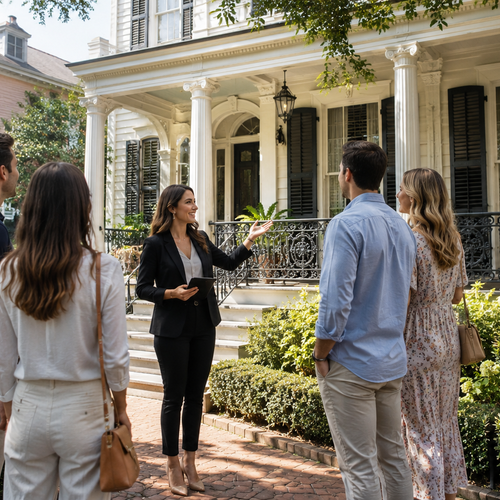

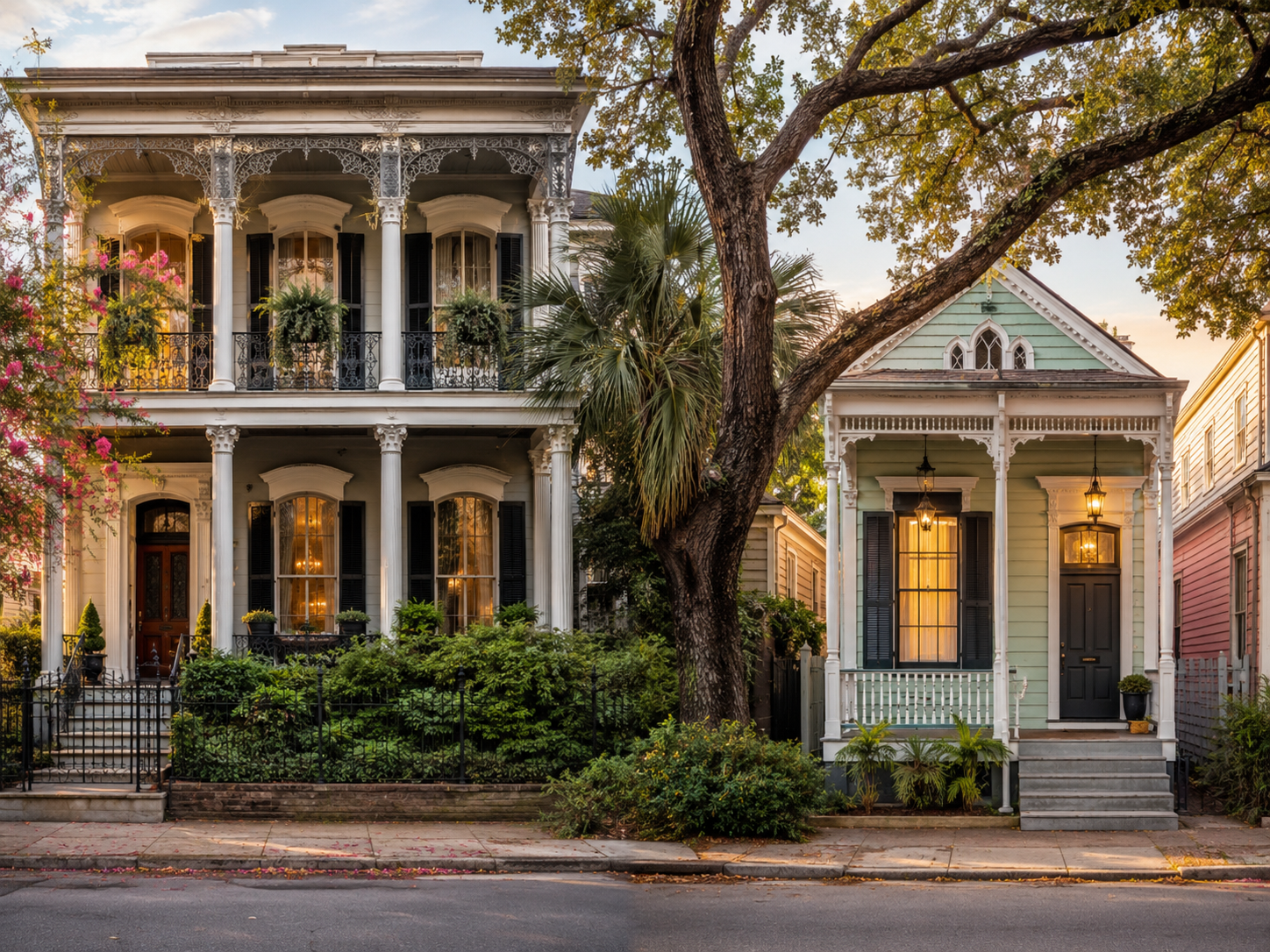
A New Orleans home can tell you a great deal before you step inside. A raised center-hall residence may signal formal rooms and generous proportions. A narrow shotgun may promise a more intimate connection to the street, neighborhood, and city’s architectural heritage. When buyers compare historic homes versus shotgun houses, the most useful question is not which style is better. It is which property best supports the way you want to live, maintain a home, and invest in New Orleans.
The distinction also deserves some care: many shotgun houses are historic homes. The real choice is often between a larger or more traditionally formal historic property and a shotgun’s distinctive footprint, scale, and lifestyle. Each can be an exceptional purchase when the house, location, condition, and long-term plan align.
Historic Homes Versus Shotgun Houses: Start With the Architecture
Historic homes in New Orleans include a broad range of property types: Creole cottages, Greek Revival and Italianate residences, Victorian homes, raised basements, center-hall houses, double galleries, and more. Many offer high ceilings, detailed millwork, original mantels, gracious porches, larger rooms, and architectural features that are difficult to replicate in newer construction.
A shotgun house has its own unmistakable identity. Traditionally narrow and long, it places rooms in sequence from front to back. The design grew from practical urban conditions, creating efficient homes on slender lots while allowing cross-ventilation through aligned doors and windows. Camelback shotguns add a partial second story at the rear, often creating welcome separation between living areas and bedrooms without changing the home’s recognizable street presence.
Neither layout is automatically more functional. A larger historic home may offer better bedroom separation, storage, entertaining space, and flexibility for a home office. Yet its formal room arrangement can feel less open than a buyer expects. A shotgun can deliver a beautifully edited, low-clutter way of living, but its linear flow may not suit households that want several people to move independently through the home.
How Daily Life Feels in Each Home
The right choice often becomes clearer when buyers picture an ordinary Tuesday, not just a memorable showing.
In a historic home with multiple living spaces, you may have room for guests, hobbies, work, and family routines to coexist. These homes can be especially compelling for buyers who value architectural scale, outdoor entertaining, or the ability to adapt rooms over time. They may also sit on larger lots or occupy prominent blocks in established neighborhoods, though that varies considerably by area.
Shotgun houses appeal to buyers who want character without excess square footage. A well-renovated shotgun can feel bright, efficient, and deeply personal. Its front porch and proximity to the sidewalk can create a strong connection to the neighborhood, while a rear addition or camelback can provide modern kitchen, bath, and bedroom layouts.
There are trade-offs. In a traditional single-story shotgun, reaching a rear bedroom may require passing through other rooms. Privacy can be limited if the home has not been thoughtfully reconfigured. Storage, closets, and parking may be more constrained as well. Conversely, a larger historic residence may require more furnishing, cleaning, climate control, and ongoing attention than a buyer initially anticipates.
Condition Matters More Than the Label
New Orleans buyers should look past restored finishes and ask how the home performs. Age alone is not a defect, and a recent renovation is not an automatic guarantee of quality. A historic house that has been responsibly maintained can be a stronger choice than a rushed renovation with new cosmetic finishes over unresolved systems.
During due diligence, pay close attention to the foundation and elevation, roof age and drainage, electrical and plumbing updates, HVAC performance, insulation, windows, and signs of moisture or termite activity. Ask about permits for additions and major renovations. If a shotgun has been expanded with a camelback or rear addition, understand where old construction meets new construction and whether the transition was properly designed.
Insurance and flood considerations deserve equal attention. Premiums, deductibles, elevation certificates, mitigation measures, and available coverage can materially affect the cost of ownership. The answer may differ from one block to the next. A knowledgeable local agent can help you identify the questions to raise early, before you become emotionally committed to a property.
Renovation Potential and Historic District Rules
For many buyers, the appeal of historic New Orleans real estate is the opportunity to steward a meaningful piece of the city. That can be rewarding, but it should be approached with a clear budget, timeline, and understanding of the applicable rules.
Properties in local historic districts may be subject to design review for exterior changes. Window replacements, porch work, siding, fencing, additions, paint-related requirements in certain circumstances, and demolition can involve approvals. These standards help protect the neighborhood character that supports long-term appeal, but they may affect project timing and material choices.
Shotgun houses can be particularly adaptable when the lot allows a carefully planned rear addition or camelback. That flexibility is not universal. Lot coverage, setbacks, zoning, historic-district requirements, and the home’s existing structure all matter. Larger historic homes may offer more square footage from the start, but restoring original details or correcting deferred maintenance can require specialized labor and a more substantial budget.
The best renovation plan is one that respects the property’s character while improving how it works for modern life. That might mean better storage, an updated kitchen, improved energy efficiency, or a more functional primary suite. It does not always mean making a historic home look new.
Resale Appeal Depends on Location and Execution
Both property types can attract strong buyer interest, particularly in neighborhoods where walkability, architecture, and local character drive demand. The resale conversation is less about a universal winner and more about how well the home meets market expectations for its location and price point.
A beautifully maintained historic residence may appeal to buyers seeking scale, provenance, and original architectural features. Its value can be strengthened by thoughtful preservation, strong curb appeal, usable outdoor space, and modernized core systems. On the other hand, oversized additions, impractical room configurations, or expensive deferred maintenance can narrow the buyer pool.
A shotgun house can be highly desirable when it feels authentic, well designed, and complete. Buyers often respond to a balanced blend of original details and updated infrastructure. A practical layout, natural light, quality finishes, and a well-used rear yard can have an outsized effect. A renovation that removes every historic feature or sacrifices flow for extra bedrooms may be less compelling.
For sellers, presentation is especially important. Historic properties benefit from marketing that explains both the home’s story and its current condition. Buyers should understand what is original, what has been improved, and what makes the property distinctive within its neighborhood.
Questions to Ask Before You Choose
Before deciding between a larger historic residence and a shotgun, consider how long you expect to own the home and what could change during that time. A first-time buyer may prioritize manageable maintenance and a location close to work or favorite neighborhood amenities. A move-up buyer may need more bedrooms, a dedicated office, better storage, or room to host family.
Think carefully about your tolerance for projects. Do you want a home that is ready to enjoy, or are you comfortable coordinating restoration work over several years? Are original windows and detailed woodwork a source of joy, or a maintenance responsibility you would rather avoid? Is off-street parking essential, or does walkability matter more?
A thorough property review should also include the surrounding block. Look at neighboring homes, drainage patterns, traffic, nearby commercial activity, and the rhythm of the street at different times of day. In New Orleans, a home’s immediate setting can shape daily life as much as its floor plan.
Raymond Real Estate helps buyers evaluate those details with the local context they deserve, from architectural style and condition to neighborhood fit and future resale considerations. The goal is not to steer you toward the most dramatic house or the easiest answer. It is to help you recognize the property that will continue to feel right after closing, when its routines, responsibilities, and character become part of your life. Learn More
Frequently Asked Questions About Historic Homes Versus Shotgun Houses in New Orleans
What is the difference between a historic home and a shotgun house in New Orleans?
A historic home is generally a property recognized for its age, architecture, cultural significance, or location within a historic district. A shotgun house is a specific architectural style—typically a narrow, rectangular home with rooms arranged one behind another. Many shotgun houses are historic, but not every historic New Orleans home is a shotgun.
What is a traditional New Orleans shotgun house?
A traditional shotgun house is usually one room wide and several rooms deep, often with doors aligned from the front of the house to the rear. Variations include single shotguns, double shotguns, camelbacks, and side-hall shotguns. They are especially common in neighborhoods such as the Irish Channel, Bywater, Marigny, Mid-City, and Uptown.
Are shotgun houses considered historic homes?
Many are. New Orleans has shotgun houses dating back well over a century, and some are located within designated historic districts. Whether a particular shotgun has formal historic protections depends on its location, designation, and applicable local regulations.
What other types of historic homes are common in New Orleans?
New Orleans offers an unusually diverse collection of historic architecture, including Creole cottages, Greek Revival homes, Victorian residences, Italianate properties, raised-basement homes, townhouses, and grand residences along streets such as St. Charles Avenue. Each style offers a different layout, character, and ownership experience.
Are shotgun houses less expensive than other historic homes?
Not necessarily. Price depends heavily on neighborhood, condition, renovations, lot size, parking, square footage, and architectural details. A beautifully renovated shotgun in a highly desirable neighborhood can command a significant premium despite its smaller footprint.
What are the advantages of buying a shotgun house?
Shotgun houses often provide distinctive New Orleans architecture, efficient use of narrow lots, high ceilings, original hardwood floors, fireplaces, tall windows, and considerable historic character. Renovated shotguns can also blend traditional architecture with modern kitchens, bathrooms, and open living spaces.
What are some disadvantages of a traditional shotgun layout?
The original floor plan can provide less privacy because occupants may have to walk through one room to reach another. Storage may also be limited compared with newer construction. Many renovated shotguns have been reconfigured with hallways, primary suites, closets, and more functional living areas.
What should buyers inspect carefully in an older New Orleans home?
Buyers should pay particular attention to the foundation, roof, electrical system, plumbing, HVAC, drainage, termites, moisture intrusion, windows, and previous renovations. Older homes may have undergone numerous alterations over the decades, making a thorough professional inspection especially important.
Are renovations more difficult on historic homes?
They can be. Properties located within certain historic districts may be subject to architectural review or restrictions regarding exterior alterations, demolition, additions, windows, roofing, and other visible features. Buyers planning substantial renovations should investigate applicable requirements before purchasing.
Do historic homes cost more to insure?
Insurance costs vary considerably based on the home's age, roof, electrical and plumbing systems, elevation, flood exposure, replacement cost, and other underwriting factors. Buyers should obtain insurance and flood insurance quotes early in the purchasing process rather than assuming coverage will be similar to a newer home.
Is a renovated shotgun house a good investment?
It can be, particularly when the home is in a desirable neighborhood and the renovation preserves architectural character while improving functionality. Location, purchase price, quality of renovation, insurance costs, and future maintenance should all be considered when evaluating investment potential.
Which is better: a historic home or a shotgun house?
It depends on what you value. Buyers looking for a compact home with unmistakable New Orleans character may love a shotgun. Buyers wanting larger rooms, more separation between living spaces, additional architectural features, or a larger footprint may prefer another historic style. The best choice is the property that fits your lifestyle, budget, and long-term plans.
Check out this article next