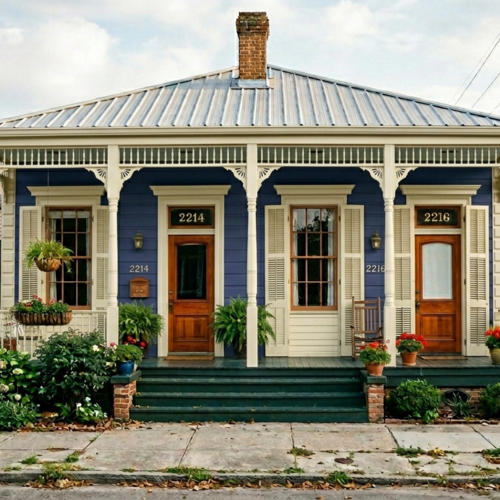


A beautiful home can still feel wrong if the neighborhood does not support the way you actually live. That is the real challenge in how to evaluate neighborhood fit. Buyers often spend hours comparing finishes, square footage, and price per foot, then make a fast decision about the block, the commute, and the daily rhythm around the home.
In New Orleans especially, neighborhood choice shapes almost everything. Two homes with similar price points can offer completely different experiences depending on walkability, traffic patterns, architecture, flood considerations, parking, and the pace of the street. The right fit is rarely about finding the "best" neighborhood. It is about finding the one that aligns with your priorities now and still makes sense a few years from now.
Start with your real lifestyle, not an ideal one
The most useful way to begin is with honesty. Not aspirational honesty, but practical honesty. If you say you want a highly walkable neighborhood but drive everywhere now, that may not be the feature that truly matters most. If you picture yourself entertaining often, but your work schedule keeps you out late most nights, a lively social district may not be essential.
Think about how your week actually unfolds. Consider your work location, how often you travel, whether you want quick restaurant access, how much quiet you need at night, and whether outdoor space matters more than proximity to activity. A condo in a central area may fit one buyer perfectly, while another would be happier farther from the core with more room, easier parking, and a quieter street.
This is where many buyers benefit from writing down their non-negotiables and their preferences separately. Commute time, school considerations, parking needs, or flood risk tolerance may belong in the first category. A corner café, historic architecture, or a larger front porch may belong in the second. When everything is labeled a must-have, it becomes harder to evaluate neighborhood fit with clarity.
How to evaluate neighborhood fit beyond the listing photos
Listings show the property at its best. Neighborhood fit requires a wider lens. A polished exterior and a well-staged interior do not tell you how a street feels on a weekday morning, how easy it is to park after 7 p.m., or whether the surrounding blocks support your day-to-day routine.
Start by studying the area at different times. Visit in the morning, after work, and on the weekend if possible. A calm street at noon can feel very different at school drop-off or late on a Friday. In New Orleans, where neighborhood character can change block by block, this matters more than many buyers expect.
Pay attention to what you hear and not just what you see. Noise from restaurants, event venues, traffic corridors, train lines, or even regular foot traffic can affect quality of life. Some buyers love the energy. Others find it exhausting after the novelty wears off. Neither response is wrong, but it is worth identifying before you commit.
You should also notice how the neighborhood functions, not just how it looks. Are sidewalks in regular use? Do homes appear consistently maintained? Is there visible investment happening nearby? Does parking seem manageable? Are there small inconveniences that may become daily frustrations? These details often reveal more than a quick online search.
Commute, convenience, and daily friction
A neighborhood can be attractive and still create unnecessary friction. One extra turn, one chronically backed-up intersection, or one difficult parking situation may not sound serious during a showing. Over time, those small issues become part of your routine.
Commute is not only about distance. It is about predictability. A ten-minute drive that becomes thirty during common traffic windows can affect your mornings and evenings more than a slightly longer but steadier route. If you work from home, your version of convenience may center on coffee shops, green space, groceries, airport access, or a setting that helps you separate work life from home life.
This is also where buyers should think about guests, deliveries, and service access. In some neighborhoods, limited parking and narrow streets are part of the charm. They can also be part of the adjustment. Historic areas, dense urban pockets, and condo-heavy sections often involve trade-offs between location and ease.
The housing stock should match your stage of life
Neighborhood fit is also about the type of homes available there. Some areas are known for classic architecture and strong character, but older homes may require more maintenance, more specialized insurance considerations, or more flexibility around layout. Other neighborhoods offer newer construction or condo living with lower maintenance, but may feel less distinctive to buyers who want architectural history.
This is not simply a financial question. It is a lifestyle one. A historic property can be deeply rewarding if you appreciate craftsmanship and are comfortable with the realities that come with older homes. A lock-and-leave condo may be ideal if you travel often or want a more streamlined ownership experience. The neighborhood and the housing style should support each other and support you.
For move-up buyers, this often becomes more complex. You may want more space without losing the energy of an in-town location. You may want a quieter setting but still care about design, dining, and proximity to established areas. The right answer is usually not obvious until you compare how each neighborhood supports your next chapter, not just your current one.
Think about value, but avoid chasing trends
Buyers naturally want reassurance that a neighborhood will hold value. That is smart. But there is a difference between choosing a neighborhood with sound fundamentals and chasing whatever seems hottest at the moment.
Long-term value often comes from a combination of location, accessibility, housing demand, neighborhood identity, and limited supply of desirable properties. In New Orleans, areas with clear architectural character, strong local appeal, and steady buyer interest tend to remain resilient, even when the market shifts.
At the same time, the neighborhood with the strongest upside on paper may not be the right place for you to live. If the fit feels off, the investment story alone rarely fixes that. Buying in a neighborhood you genuinely enjoy usually positions you to make better long-term decisions, because you are less likely to outgrow the area quickly or feel pushed into another move sooner than planned.
Local nuance matters more than broad assumptions
One of the most common mistakes buyers make is treating neighborhoods as if they are uniform. They are not. In New Orleans, even adjacent blocks can differ in feel, parking, streetscape, flood profile, noise level, and price behavior.
That is why broad labels only go so far. A neighborhood may be known for charm, nightlife, quiet streets, or historic homes, but your specific experience will depend on where within that area you land. The best evaluation comes from combining data with direct observation and informed local guidance.
A knowledgeable real estate advisor can often point out practical distinctions that buyers would not catch on their own. That may include micro-location differences, building-specific considerations for condos, insurance implications, renovation patterns, or how buyer demand behaves from one section to another. For clients working with Raymond Real Estate, that local perspective is often what turns a good search into a confident decision.
How to evaluate neighborhood fit for the next five years
A useful final test is this: can you see yourself living well here for the next three to five years? Not just tolerating it, but living well.
That question helps filter out decisions driven by excitement alone. A neighborhood that feels perfect for your weekends may not work if your job changes, your household grows, or your priorities shift toward convenience and quiet. On the other hand, stretching for a neighborhood that looks practical on paper but does not feel like home can leave you second-guessing the purchase from the start.
Try to imagine ordinary life there. Where would you get coffee? How would your evenings feel? Would you enjoy walking the area? Would the pace energize you or wear on you? Can the housing options there support your likely next step, whether that means more space, less maintenance, or stronger resale appeal?
The best neighborhood fit is usually the one that makes daily life easier, more enjoyable, and more aligned with who you are. Not who you think you should be, and not who the market says you should become.
A home search goes more smoothly when the neighborhood decision gets as much attention as the property itself. The right address should support your lifestyle with the same confidence that the right home supports your investment. When those two pieces align, the choice tends to feel clear for all the right reasons.Learn More
Check out this article next