
Downtown New Orleans is entering an exciting new chapter—and for people considering condominium ownership, the changes ahead are worth watching.
For generations, downtown New Orleans has been the center of business, culture, entertainment, and some of the city's most recognizable architecture. From the historic buildings of the Warehouse District to the energy of Canal Street and the modern residences of the Central Business District, downtown offers a lifestyle that few cities can replicate.
Now, a newly announced five-year strategic plan is setting the stage for its next evolution.
On October 15, 2026, the Downtown Development District (DDD) unveiled its 2027–2031 strategic plan, titled Leveraging Opportunity. The initiative outlines a coordinated effort to strengthen public spaces, encourage redevelopment, activate vacant properties, and expand downtown's appeal as a place to live, work, and visit.
For New Orleans real estate, this is more than another planning announcement.
It is a reminder that downtown's future is being actively shaped—and condo buyers have a reason to pay attention.
A New Vision for Downtown New Orleans
The Downtown Development District's new strategic plan focuses on five major priorities:
Improving public spaces, cleanliness, lighting, sidewalks, and safety.
Supporting policies that encourage downtown investment and economic growth.
Bringing vacant and underutilized properties back into productive use.
Expanding funding opportunities to support downtown improvements.
Strengthening downtown's identity as a destination for businesses, visitors, and residents.
The plan also identifies Canal Street revitalization and improved data collection as two important initiatives that will support these objectives.
Perhaps most interesting for real estate buyers is the emphasis on expanding downtown housing and strengthening its permanent residential population.
Downtown New Orleans is no longer viewed simply as a place where people commute to work or visit for entertainment. Increasingly, the conversation is about creating a vibrant urban neighborhood where people want to establish roots.
And that evolution could create opportunities throughout the condominium market.
Canal Street's Revitalization Could Change the Downtown Experience
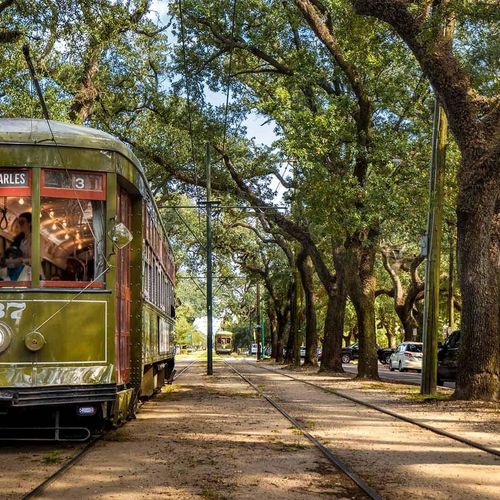
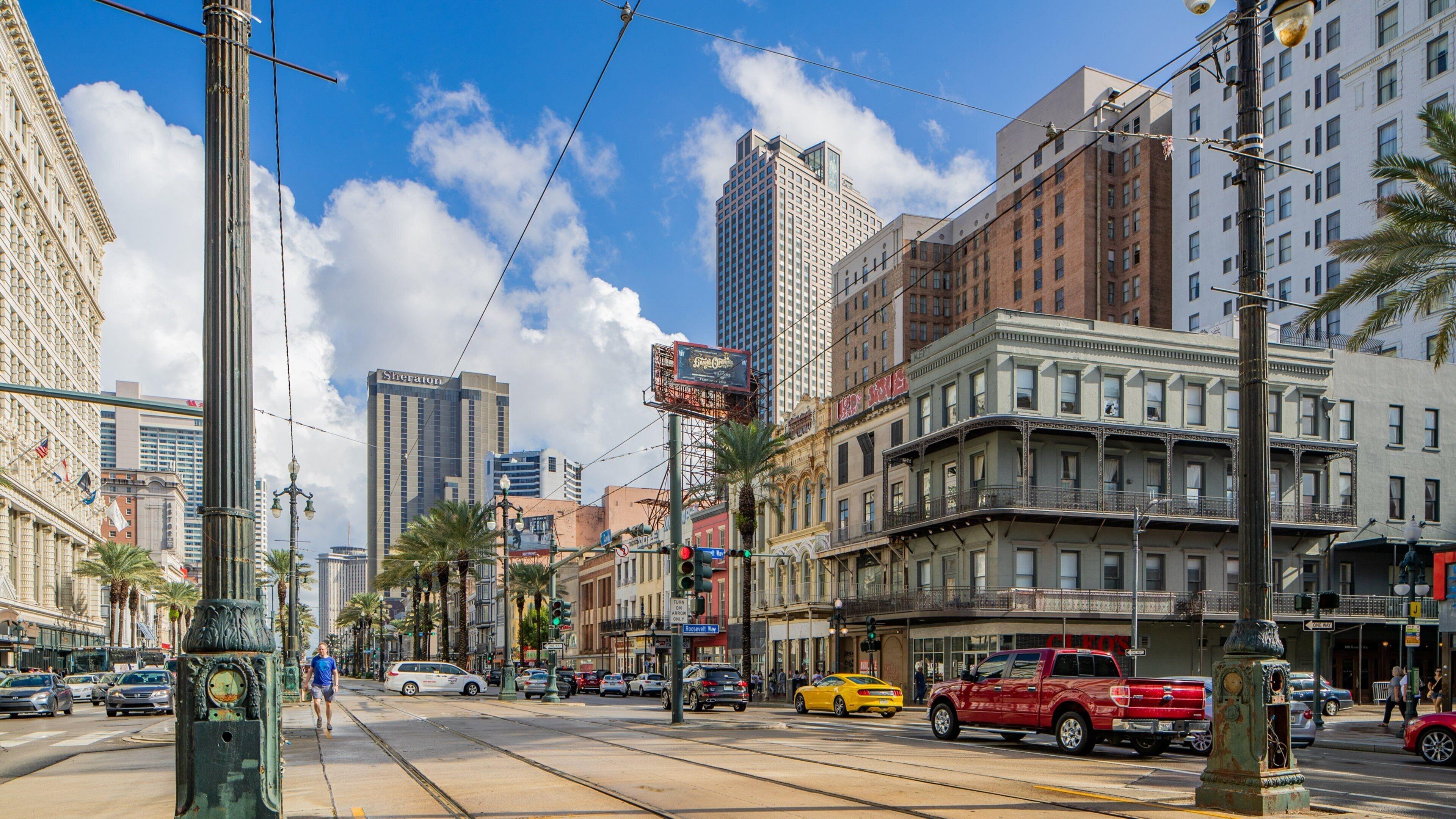
Canal Street has always been one of New Orleans' most recognizable corridors. Its streetcars, historic buildings, hotels, theaters, and commercial spaces make it an important connection between the French Quarter and Central Business District.
However, like many downtown corridors across the country, Canal Street has faced challenges involving vacant commercial spaces, building conditions, and changes in retail activity.
The city is working to address those challenges.
In July 2026, New Orleans launched the Canal Street Renaissance Initiative, a city-led effort focused on public safety, infrastructure improvements, business investment, pedestrian access, and cultural revitalization.
The DDD's new strategic plan complements that work by identifying Canal Street as an important area for coordinated public-space improvements and economic development.
For nearby condominium owners, these efforts are especially relevant.
Imagine a Canal Street with more active storefronts, improved lighting, better pedestrian infrastructure, and a broader mix of businesses serving both residents and visitors.
Those improvements could make downtown living more enjoyable while strengthening the appeal of surrounding residential buildings.
Of course, a revitalization plan is not a guarantee that every proposed improvement will happen immediately. Progress will depend on implementation, funding, property-owner participation, and market conditions.
Still, the coordinated attention being directed toward Canal Street is an encouraging development.
Buyers interested in living nearby can explore the Central Business District and its condominium communities.
From Office Buildings to a Neighborhood People Call Home
One of the most interesting changes taking place in American downtowns is the shift toward more diversified urban neighborhoods.
Historically, many downtown areas were primarily employment centers. Office workers arrived in the morning, restaurants served the lunch crowd, and business districts became quieter after traditional working hours.
Today, cities are exploring ways to create more balanced neighborhoods where residential, commercial, entertainment, and cultural activities support one another.
New Orleans has a significant opportunity to participate in this transformation.
Downtown already offers many of the ingredients that make urban living desirable: historic architecture, restaurants, entertainment, cultural attractions, employment centers, and access to the Mississippi River.
Expanding residential opportunities could further strengthen that environment.
When more people live downtown year-round, the neighborhood can support a broader range of everyday businesses—from coffee shops and restaurants to neighborhood services and retail establishments.
That creates the potential for a positive cycle: more residents support more businesses, and more businesses make the neighborhood increasingly attractive to residents.
For someone considering a downtown condominium, this long-term vision is worth understanding.
Why the Warehouse District Is Especially Well Positioned
The Warehouse District is one of New Orleans' most distinctive residential neighborhoods.
Once dominated by commercial warehouses and industrial buildings, the neighborhood has evolved into a destination known for art galleries, acclaimed restaurants, museums, and stylish urban residences.
Today, buyers can find an interesting combination of historic warehouse conversions, modern condominium buildings, luxury lofts, and properties featuring amenities such as rooftop pools, fitness centers, secure parking, and private balconies.
What makes the Warehouse District particularly appealing is its location.
Residents can enjoy much of what downtown has to offer while remaining close to the French Quarter, Convention Center, Mississippi River, and surrounding entertainment districts.
As additional downtown improvements are implemented, the Warehouse District may benefit from being part of a more active and connected urban environment.
For many buyers, the attraction is not simply the condominium itself.
It is the lifestyle waiting outside the front door.
Less time maintaining a property. More time enjoying New Orleans.
For a closer look at the neighborhood, read our guide to the Warehouse District condo lifestyle, including restaurants, views, and walkability.
The River District Adds Another Layer to Downtown's Future
Downtown's evolution is not limited to Canal Street or the Central Business District.
The River District redevelopment near the Ernest N. Morial Convention Center represents another major effort to reshape the surrounding area.
The development is planned to include a combination of office, residential, hospitality, and other mixed-use components, with individual projects progressing on different timelines.
Its location near the Warehouse District makes it particularly relevant to people considering nearby condominiums.
As portions of the River District take shape, the broader downtown area could benefit from additional activity, employment opportunities, and investment.
The relationship between major developments and nearby condominium values is not automatic. New projects can introduce competition, and their economic effects vary by property and location.
Nevertheless, the combination of downtown revitalization initiatives and private redevelopment projects gives buyers several reasons to follow the area's long-term direction.
We recently explored this development in greater detail in New Orleans' River District: What Condo Owners Should Know.
What Could Downtown Revitalization Mean for Condo Values?
One of the first questions buyers and current condo owners may ask is whether these improvements will increase property values.
The answer is more nuanced than a simple yes or no.
Neighborhood improvements can support real estate demand by making an area more attractive, accessible, and convenient.
Enhanced public spaces, active storefronts, improvements to pedestrian infrastructure, and additional neighborhood amenities can all contribute to a more desirable residential environment.
However, condominium values also depend on factors that are specific to each building.
These include:
Recent comparable sales and current inventory
Condominium association fees and financial reserves
Property insurance expenses
Building maintenance and potential special assessments
Parking, views, layouts, and amenities
Financing eligibility and building restrictions
Buyer demand and overall economic conditions
Two downtown condominiums located only a few blocks apart can perform very differently in the same real estate market.
That is why buyers should evaluate the individual property rather than assuming that neighborhood redevelopment will produce appreciation.
Our article, Are Condos a Good Investment in New Orleans?, explores the important factors that influence condominium ownership and investment decisions.
Why Buyers Should Start Exploring Downtown Condos Now
A common mistake in real estate is assuming that buyers must wait for every improvement to be completed before considering an emerging neighborhood.
In reality, purchasing decisions should be based on current value, affordability, property condition, and long-term goals—not simply on predictions about future development.
For buyers who already appreciate downtown living, the new strategic plan provides another reason to begin researching available condominium options.
Some purchasers may prioritize luxury buildings with concierge services, parking, and rooftop amenities.
Others may prefer historic warehouse conversions with exposed brick, oversized windows, and architecture that reflects the city's character.
Still others may be attracted to smaller condominiums that provide a convenient second home within walking distance of their favorite New Orleans destinations.
The variety is part of the appeal.
And buyers who take time to understand the different buildings may be better positioned to identify opportunities that align with their needs.
Before purchasing, it is especially important to understand the condominium association's finances, insurance coverage, rules, and maintenance obligations.
Our guides to buying a condo in New Orleans with confidence and warrantable versus non-warrantable condominiums explain why these details matter.
What Downtown Condo Owners Should Be Watching
Existing condo owners also have reasons to follow downtown's next chapter.
Neighborhood improvements may influence future buyer interest, but successful condominium sales will continue to depend heavily on how individual properties compare with competing listings.
Owners considering selling in the coming years should pay attention to new development, comparable sales, buyer preferences, and changes in their buildings' operating expenses.
It is also worth remembering that downtown revitalization takes time.
The DDD's strategic plan covers 2027 through 2031, meaning many initiatives are intended to develop over several years rather than happen overnight.
For current owners, the most practical approach is to monitor actual improvements while keeping their properties and condominium associations well prepared for the future.
Our article on New Orleans condo inventory trends provides additional perspective on understanding supply and competition.
A More Vibrant Downtown Benefits More Than Just Condo Buyers
The benefits of a stronger downtown extend beyond real estate transactions.
A thriving downtown supports local businesses, tourism, employment, cultural attractions, and the overall identity of New Orleans.
It also provides an opportunity to preserve and repurpose historic buildings rather than allowing important pieces of the city's architectural heritage to remain vacant or underutilized.
That combination of preservation and progress is particularly important in New Orleans.
The goal is not to transform downtown into something unrecognizable.
It is to build on the character that already makes the city extraordinary while creating a more active, welcoming, and economically resilient urban center.
And that is a future worth getting excited about.
Frequently Asked Questions About Downtown New Orleans Condos
Is downtown New Orleans a good place to buy a condo?
Downtown New Orleans offers an appealing combination of walkability, restaurants, entertainment, historic architecture, and modern condominium amenities. Whether it is a good purchase depends on the specific building, ownership costs, financing, and the buyer's lifestyle and financial goals.
What is the Downtown Development District's new five-year plan?
The DDD's 2027–2031 strategic plan, Leveraging Opportunity, focuses on public-space improvements, economic development, activating vacant properties, strengthening downtown's identity, and supporting additional residential activity. Canal Street revitalization is one of its major initiatives.
Will downtown revitalization increase New Orleans condo prices?
Neighborhood improvements may help attract buyers and support demand, but future appreciation is not guaranteed. Condominium pricing will continue to depend on building condition, association finances, insurance, location, available inventory, and broader real estate conditions.
What are the best areas to explore for downtown condos?
The Warehouse District and Central Business District are two important areas to consider. Buyers can choose among historic loft conversions, smaller residential buildings, luxury high-rises, and full-service condominium developments.
Is it better to buy a downtown New Orleans condo now or wait until 2027?
There is no universal answer. Buyers should compare current listings, recent sales, financing costs, association documents, and their personal goals. Waiting for redevelopment to progress does not guarantee better prices, and buying now does not guarantee future appreciation.
What should I check before buying a downtown condo?
Review the association's budget and reserves, master insurance policy, monthly dues, existing or potential special assessments, building condition, parking arrangements, rental restrictions, and mortgage eligibility. These factors can be as important as the location and interior condition of the unit.
The Bottom Line: Downtown New Orleans Has an Exciting Future
New Orleans has always been a city defined by its ability to evolve while preserving the culture, architecture, and spirit that make it special.
The Downtown Development District's new five-year strategic plan represents another opportunity to build on that legacy.
With renewed attention on Canal Street, vacant properties, public spaces, residential growth, and downtown investment, the next several years could help shape a stronger and more dynamic urban neighborhood.
For condominium buyers, the message is simple:
Downtown New Orleans is worth another look.
Whether you are searching for a luxury residence, a historic Warehouse District loft, a second home, or a lower-maintenance alternative to a traditional house, downtown offers an exceptional variety of possibilities.
The most important step is finding the right property, in the right building, at the right price.
Explore Downtown New Orleans Condos with Raymond Real Estate
At Raymond Real Estate, we help buyers and sellers navigate the New Orleans condominium market with local knowledge, personalized guidance, and a clear understanding of building-specific considerations.
If you are thinking about buying or selling a condo in the Warehouse District, Central Business District, French Quarter, or surrounding neighborhoods, we would welcome the opportunity to help.
Explore New Orleans properties for sale or contact Josh Raymond at 504-256-7877.
Downtown New Orleans is evolving. Your next opportunity could be part of its future.
Check out this article next