

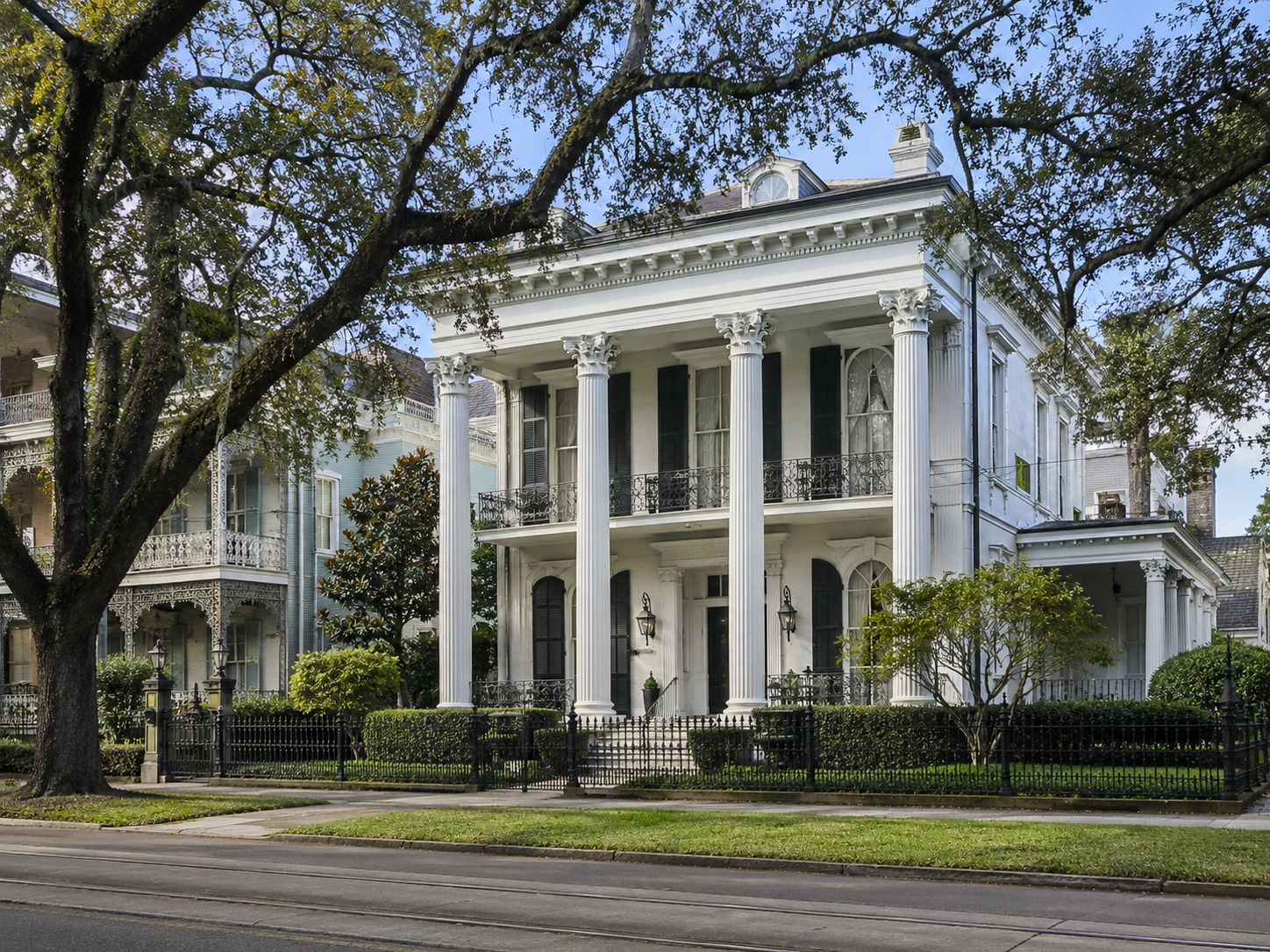
A block can tell you almost everything in New Orleans. The ironwork, the roofline, the depth of a front porch, even the way a home meets the sidewalk all reveal a different chapter of the city. For buyers drawn to timeless design, the best neighborhoods for historic architecture are not just visually striking - they also offer distinct lifestyles, maintenance realities, and long-term value considerations.
In New Orleans, historic architecture is never one-size-fits-all. A buyer who loves a grand Greek Revival mansion may not want the same neighborhood rhythm as someone searching for a Creole cottage or a converted warehouse loft with preserved details. That is why the right search starts with both architectural style and day-to-day living. Beauty matters, but so do walkability, flood risk, renovation restrictions, pricing, and how much upkeep you want to take on.
What makes a neighborhood stand out for historic architecture?
The strongest historic neighborhoods tend to offer more than a few attractive homes. They have a cohesive streetscape, a recognizable architectural identity, and a level of preservation that protects the character buyers are paying for. In New Orleans, that can mean rows of 19th-century townhouses, meticulously maintained mansions, shotgun homes with original details, or former industrial buildings adapted for modern living.
It also helps when a neighborhood gives buyers options. Some areas are known for stately single-family homes, while others mix condos, doubles, cottages, and larger residences. That variety matters because architectural appeal often comes with trade-offs. The most visually iconic neighborhoods can also bring higher price points, tighter parking, stricter renovation oversight, or more competition.
Best neighborhoods for historic architecture in New Orleans
French Quarter
If your idea of historic architecture starts with romance and old-world detail, the French Quarter is the obvious benchmark. This is where wrought-iron balconies, colorful courtyards, Creole townhouses, and centuries-old masonry create one of the most recognizable urban streetscapes in America.
The appeal here is unmistakable, but buying in the Quarter is about more than postcard beauty. Properties often come with premium pricing, unique ownership structures, and maintenance demands tied to age and preservation. Noise, tourism, and limited parking can be part of the equation as well. For the right buyer, that is a fair exchange for living inside the architectural heart of the city.
Garden District
The Garden District offers a different kind of historic prestige. Broad avenues, mature trees, and some of the city’s most admired mansions give the neighborhood a sense of scale and elegance that feels distinctly residential. Greek Revival, Italianate, and Victorian influences are all part of the mix, and many homes here sit on deeper lots than buyers find in denser historic areas.
This neighborhood tends to attract buyers who want architectural distinction with a quieter, more refined pace. It is especially compelling for those looking for substantial homes and strong curb appeal. The trade-off is cost. Entry prices are typically high, and ongoing maintenance on larger historic properties should never be underestimated.
Uptown
Uptown is broad enough to resist easy labels, which is part of its strength. Across its many sections, buyers can find everything from grand historic homes to well-kept cottages and classic New Orleans doubles. Architectural variety is one of the biggest advantages here, especially for buyers who want character without limiting themselves to a single style.
Lifestyle is another reason Uptown consistently ranks among the best neighborhoods for historic architecture. It offers a strong residential feel, access to parks and universities, and a neighborhood fabric that works well for buyers planning to stay long term. Some blocks are more formal and stately, while others feel more relaxed and lived-in. That range allows buyers to prioritize both architecture and fit.
Marigny
The Marigny is one of the city’s most compelling choices for buyers who appreciate historic architecture with a more creative, bohemian edge. Creole cottages, shotgun homes, and colorful facades define much of the neighborhood, giving it a sense of charm that feels authentic rather than polished for show.
For many buyers, the Marigny offers a strong balance between architectural interest and cultural energy. It is close to the French Quarter, but the housing stock often feels more intimate and residential. At the same time, condition can vary significantly from property to property. Some homes have been beautifully restored, while others may require substantial work. Buyers who love historic detail but want to be strategic about renovation should look carefully here.
Bywater
Bywater has become a go-to neighborhood for buyers seeking historic homes with personality. The architecture includes many modest-scale historic properties, especially cottages and shotguns, and the visual character of the area remains a major draw. This is not mansion territory. It is a neighborhood where scale is smaller, details matter, and individuality shows up block by block.
That smaller scale can be a real advantage. Buyers may find more approachable historic options here than in the city’s most elite neighborhoods, though pricing has risen as demand has grown. Bywater is often a fit for those who want historic architecture in a neighborhood with strong local identity, but it is wise to evaluate each micro-location carefully, especially when it comes to condition, elevation, and insurance considerations.
Lower Garden District
The Lower Garden District gives buyers access to historic architecture with a slightly different rhythm than the Garden District proper. You will still find impressive historic homes and rich period detail, but there is often more housing diversity, including condos, doubles, and smaller-scale residences alongside larger properties.
For buyers who want architectural pedigree and central location without requiring a full-scale mansion, this neighborhood deserves serious attention. It can appeal to professionals, second-home buyers, and those who want walkability with classic New Orleans character. As always in older neighborhoods, individual building condition matters as much as curb appeal.
Esplanade Ridge and Bayou St. John
These adjoining areas often appeal to buyers who want historic architecture in a setting that feels scenic and residential. Along Esplanade Avenue in particular, the architecture can be striking, with substantial historic homes, deep setbacks, and mature landscaping that create an impressive sense of place.
Bayou St. John adds another layer of appeal with its proximity to water, green space, and a more relaxed neighborhood tempo. Architectural styles vary, but historic character is easy to find. Buyers who value charm and livability often respond well to these neighborhoods, though inventory can be limited and competition for standout homes can be strong.
How buyers should narrow the search
The right historic neighborhood depends on what you want your home to do for you. If you are prioritizing prestige and architectural grandeur, the Garden District or select parts of Uptown may be the strongest fit. If you want immersive old New Orleans character and walkable urban life, the French Quarter, Marigny, or Lower Garden District may feel more aligned. If you are looking for smaller historic homes with personality, Bywater and parts of Bayou St. John deserve a close look.
Budget matters, but so does your tolerance for maintenance. Historic homes can bring original hardwood floors, plaster medallions, antique mantels, and remarkable craftsmanship. They can also bring aging systems, foundation issues, wood rot, and renovation limits. A beautifully preserved home may command a premium because someone else has already done the difficult work. A lower-priced historic property may offer opportunity, but only if the numbers and the scope make sense.
Buying historic architecture with clear eyes
A historic home should never be purchased on emotion alone, even in a city that inspires exactly that response. Buyers should evaluate structural condition, prior renovations, insurance costs, flood zone implications, and whether the property falls under historic district guidelines. Those details can affect not only your upfront costs, but also how easily you can make future changes.
It also helps to think ahead about resale. The most desirable historic homes tend to pair preserved character with updated infrastructure and a location that supports daily convenience. Buyers often pay for charm, but they stay for functionality. Central air, off-street parking, usable outdoor space, and well-planned renovations can make a major difference in long-term value.
In a market as nuanced as New Orleans, neighborhood knowledge matters as much as architectural knowledge. Raymond Real Estate works with buyers who want both - a home with character and a purchase strategy grounded in local expertise. That combination is especially valuable when every block, building, and restoration story can shape the decision.
The best historic neighborhood is the one that still feels right after the admiration wears off and real life begins. When architecture, lifestyle, and smart buying criteria align, that is when a beautiful home becomes the right home. Explore All Areas
Check out this article next