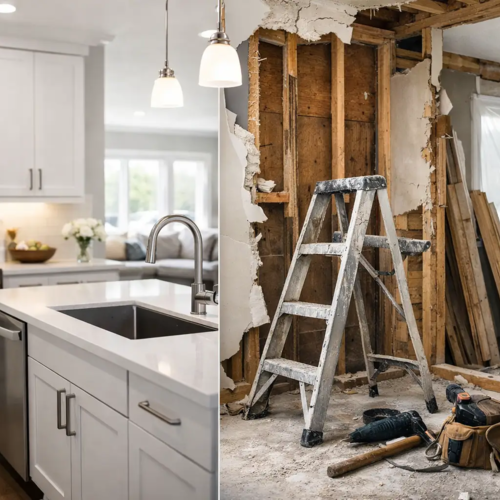

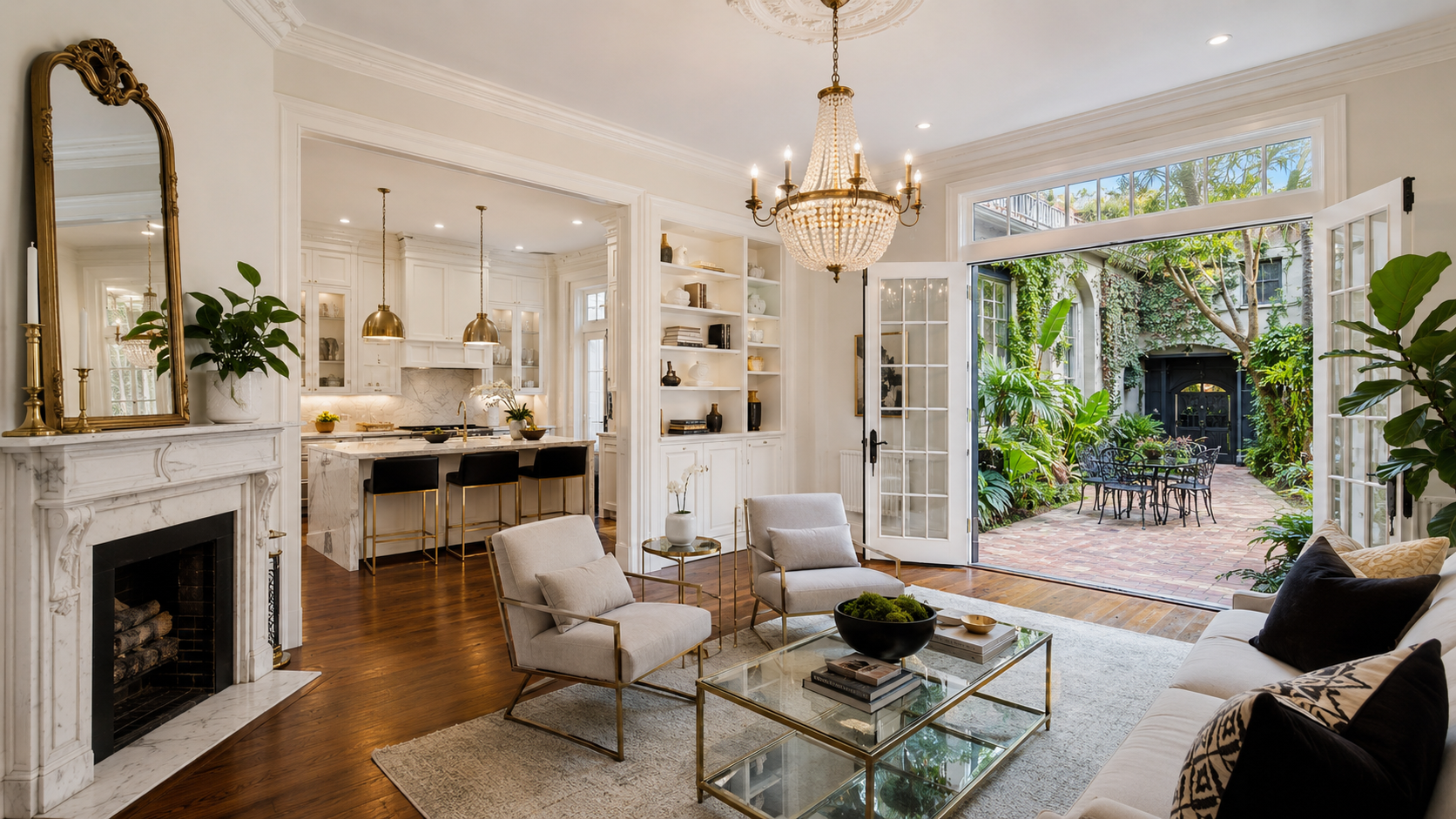
A beautifully restored shotgun home can draw immediate attention in New Orleans, but buyers often make their strongest offers for something more practical: off-street parking, dependable systems, thoughtful storage, and outdoor space they can actually enjoy. The best features for resale value are not always the most expensive or dramatic. They are the details that reduce uncertainty, support daily life, and make a home feel distinctly more complete than the alternatives.
For homeowners planning improvements, the goal is not to design for every possible buyer. It is to make disciplined choices that respect the home, suit its neighborhood, and appeal to the broadest credible pool of future buyers. In a city where historic character, flood considerations, and block-by-block preferences shape value, that perspective matters.
Best Features for Resale Value: Start With What Buyers Need
Buyers tend to pay more confidently when they can picture an easy first year in the home. That means essential systems should come before cosmetic upgrades. A new roof, updated electrical panel, well-maintained HVAC equipment, sound plumbing, and appropriate drainage may not create the same immediate visual impact as a designer kitchen, but they address questions that can derail a sale or become leverage during negotiations.
In New Orleans, resilience is part of the value conversation. Features such as a whole-home generator, impact-rated openings where appropriate, storm shutters, elevated mechanical equipment, and documented flood-mitigation work can be meaningful differentiators. Their value depends on the property and location. A generator may be especially compelling for a larger home or a property with frequent outage concerns, while thoughtful drainage improvements can matter across many neighborhoods.
Documentation is nearly as valuable as the work itself. Keep permits, invoices, warranties, service records, and before-and-after photos. When a seller can clearly show what was done, by whom, and when, buyers have less room to assume the worst.
Parking Remains a Powerful New Orleans Advantage
In many walkable New Orleans neighborhoods, proximity to restaurants, parks, and cultural destinations is a major part of the lifestyle. It does not eliminate the appeal of parking. A driveway, gated parking pad, garage, or secure assigned condominium space can move a property ahead of comparable homes quickly, particularly for professionals, families, and buyers who commute.
Parking should feel usable, not merely possible. A narrow access point, unclear easement, or difficult turning radius can temper the benefit. If improvements are feasible, consider lighting, a secure gate, a durable surface, and landscaping that keeps the approach attractive without making it hard to maneuver.
For condo sellers, secure parking and the details around it deserve clear attention in marketing materials. Buyers will want to know whether the space is deeded, assigned, covered, gated, or available for guests. Clarity protects value.
Flexible Layouts Have Lasting Appeal
The most marketable homes work well for more than one kind of household. A dedicated office, guest room, nursery, or bonus room gives buyers options without asking them to solve a layout problem after closing. Since remote and hybrid work remain common, a true work-from-home space is especially valuable when it has a door, natural light, and reasonable separation from the home’s busiest areas.
That does not mean every room needs a highly specific built-in purpose. Flexibility is often better. A room staged as an office that can also function as a bedroom will usually attract more interest than a space built around a niche hobby or an oversized custom desk that cannot be removed.
Historic homes require particular care here. Removing walls or original details to create an open plan can be costly and may diminish the character that attracted buyers in the first place. Often, the wiser approach is to improve flow through lighting, paint, storage, door placement, and a more intentional use of existing rooms.
Kitchens Should Be Functional Before They Are Fashionable
A kitchen remains one of the most closely examined spaces in any home sale. Buyers respond to clean cabinetry, workable counter space, quality appliances, adequate lighting, and a layout that supports cooking and gathering. In a renovation, durable materials and restrained finishes generally hold up better than a look tied too closely to one moment in design.
The return on a major kitchen renovation is not automatic. In a modestly priced property, an ultra-luxury appliance package may exceed what the neighborhood will support. Conversely, in a higher-end home, dated finishes or inadequate storage can make the entire property feel less competitive. The right investment is relative to the expected price range, the home’s condition, and nearby inventory.
A well-executed refresh can be enough: repainting cabinets, replacing worn hardware, improving lighting, updating a failing countertop, and installing an appropriately scaled faucet can change buyer perception without overcapitalizing.
Outdoor Living Is More Than Curb Appeal
New Orleans buyers value outdoor space, whether it is a deep front porch, private courtyard, balcony, backyard, or roof terrace with a view. The most appealing spaces are inviting and manageable. Shade, lighting, drainage, privacy, and room for a table or seating matter more than elaborate landscaping that requires constant attention.
A modest yard with a well-defined patio can be more valuable than a larger, neglected outdoor area. In attached homes and condos, balconies and courtyards should be presented as living spaces, not storage areas. Remove excess furniture, refresh planters, and make sure railings, surfaces, and exterior lighting are in good condition.
Curb appeal still sets the tone before a buyer enters. Fresh exterior paint, a maintained roofline, functioning shutters, attractive house numbers, and a tidy entry signal care. For historic properties, preservation-minded repairs and materials are generally a better choice than generic replacements that dilute architectural authenticity.
Storage and Everyday Convenience Influence Offers
Storage rarely earns the spotlight, but it can quietly raise a home’s appeal. Closets with useful shelving, a pantry, laundry storage, attic access, a linen closet, and organized utility areas all help a buyer imagine living comfortably in the home. This is particularly important in older properties where original storage can be limited.
Small conveniences also shape perception. A laundry room with space to fold clothes, smartly located outlets, ceiling fans, strong Wi-Fi coverage, and an accessible powder room for guests can make a home feel more current and more livable. These are not headline features by themselves, but together they reduce friction.
For condominiums, the same principle applies to building amenities. Package handling, secure entry, elevator access, fitness facilities, shared outdoor areas, storage units, and professional management may influence demand. Buyers will also evaluate HOA fees, reserves, rules, and upcoming assessments, so a desirable amenity package must be paired with sound building operations.
Avoid Improvements That Narrow Your Buyer Pool
Personal taste has a place in a home, but resale planning calls for restraint. Highly customized paint colors, unusual tile, built-in aquariums, converted garages, and expensive specialty rooms can narrow the audience. They may delight a few buyers while prompting others to calculate the cost of undoing them.
The same caution applies to additions. An extra bedroom or expanded primary suite can create value when it improves function and aligns with the neighborhood. An addition that compromises outdoor space, lacks proper permits, or feels disconnected from the original structure can have the opposite effect.
Before spending heavily, compare the plan against nearby homes that have sold rather than relying on national renovation averages. A feature that commands a premium in Uptown may land differently in the Marigny, Lakeview, the Warehouse District, or a nearby suburb. Local pricing tells the more useful story.
Put Improvements in the Right Order
For most sellers, the most sensible sequence is straightforward: address deferred maintenance, correct visible defects, improve systems and resilience where needed, then focus on presentation. A clean, well-maintained home with an appealing exterior, functional kitchen and baths, and clear records often performs better than a heavily renovated home with unresolved fundamentals.
Timing matters as well. If selling is likely within the next year, choose updates that can be completed properly and enjoyed before the listing goes live. Rushed projects, poor workmanship, and unfinished details are more likely to invite inspection concerns than add value.
The strongest resale decisions begin with a clear view of the home’s current position and its likely competition. Before committing to a project, ask a local real estate professional to evaluate which improvements buyers will notice, which ones the neighborhood supports, and which repairs should happen first. That focused guidance can help you invest with confidence while preserving what makes your New Orleans home worth remembering. Learn More
Frequently Asked Questions About Home Resale Value in New Orleans
What home features add the most resale value in New Orleans?
Updated kitchens and bathrooms, off-street parking, functional outdoor space, energy-efficient systems, ample storage, and a practical floor plan typically attract the most buyers. New Orleans buyers also value original architectural details that have been carefully preserved.
Does off-street parking increase a home’s value in New Orleans?
Yes. Driveways, garages, and gated parking can be major selling points, especially in neighborhoods where street parking is limited. Secure parking may help a property sell faster and command a higher price.
Are historic features good for resale value?
Historic details such as hardwood floors, fireplaces, high ceilings, millwork, transoms, and original doors can make a home more desirable. The best renovations preserve these features while adding modern comfort and functionality.
How important is flood risk when selling a New Orleans home?
Flood zone, elevation, drainage, and insurance costs can significantly influence buyer demand and affordability. Features such as raised mechanical systems, improved drainage, and documented flood mitigation work may strengthen a property’s appeal.
Do updated kitchens provide a good return on investment?
A well-designed kitchen can improve marketability, but renovations should fit the home and neighborhood. Buyers often prefer quality cabinetry, durable countertops, modern appliances, sufficient storage, and a layout that works for everyday living.
Is outdoor living space valuable in New Orleans?
Yes. Covered patios, porches, courtyards, balconies, pools, and well-maintained yards are especially attractive because outdoor living is an important part of the New Orleans lifestyle. Good drainage and low-maintenance landscaping can add further appeal.
Does a new roof or HVAC system increase resale value?
Major system upgrades may not always produce a dollar-for-dollar return, but they reduce buyer concerns and can make a home easier to sell. A newer roof, updated electrical system, efficient HVAC, and modern plumbing can also help prevent inspection-related negotiations.
Are energy-efficient improvements worthwhile?
Energy-efficient windows, insulation, HVAC systems, appliances, and smart thermostats can lower utility costs and improve comfort during New Orleans summers. Buyers may value these improvements, particularly when the seller can provide documentation.
What floor plans are most appealing to New Orleans buyers?
Buyers generally prefer functional layouts with good natural light, adequate closets, comfortable living areas, and bedrooms that do not require walking through one another. A true primary suite, home office, or flexible bonus room can also improve resale appeal.
Should I renovate before selling my New Orleans home?
Not every home requires a major renovation. Fresh paint, improved lighting, landscaping, deep cleaning, and minor repairs may provide a better return than an expensive remodel. A local real estate professional can help identify the updates most likely to matter in your specific neighborhood.
Do renovations need permits in New Orleans?
Many structural, electrical, plumbing, mechanical, and exterior projects require permits. Properties in historic districts may also need approval from the appropriate historic district commission. Proper documentation can help reduce concerns during inspections, appraisal, and closing.
How can I determine which improvements will add the most value to my home?
The best improvements depend on the property’s location, condition, price range, and likely buyer. Before spending money, compare your home with recently sold and competing properties in the neighborhood and request advice from an experienced New Orleans real estate professional. Contact Us Today
Check out this article next