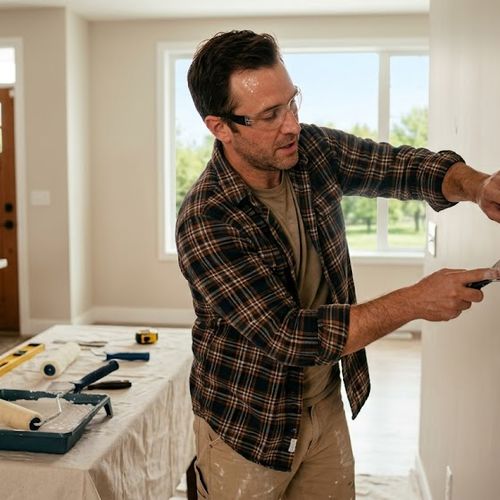

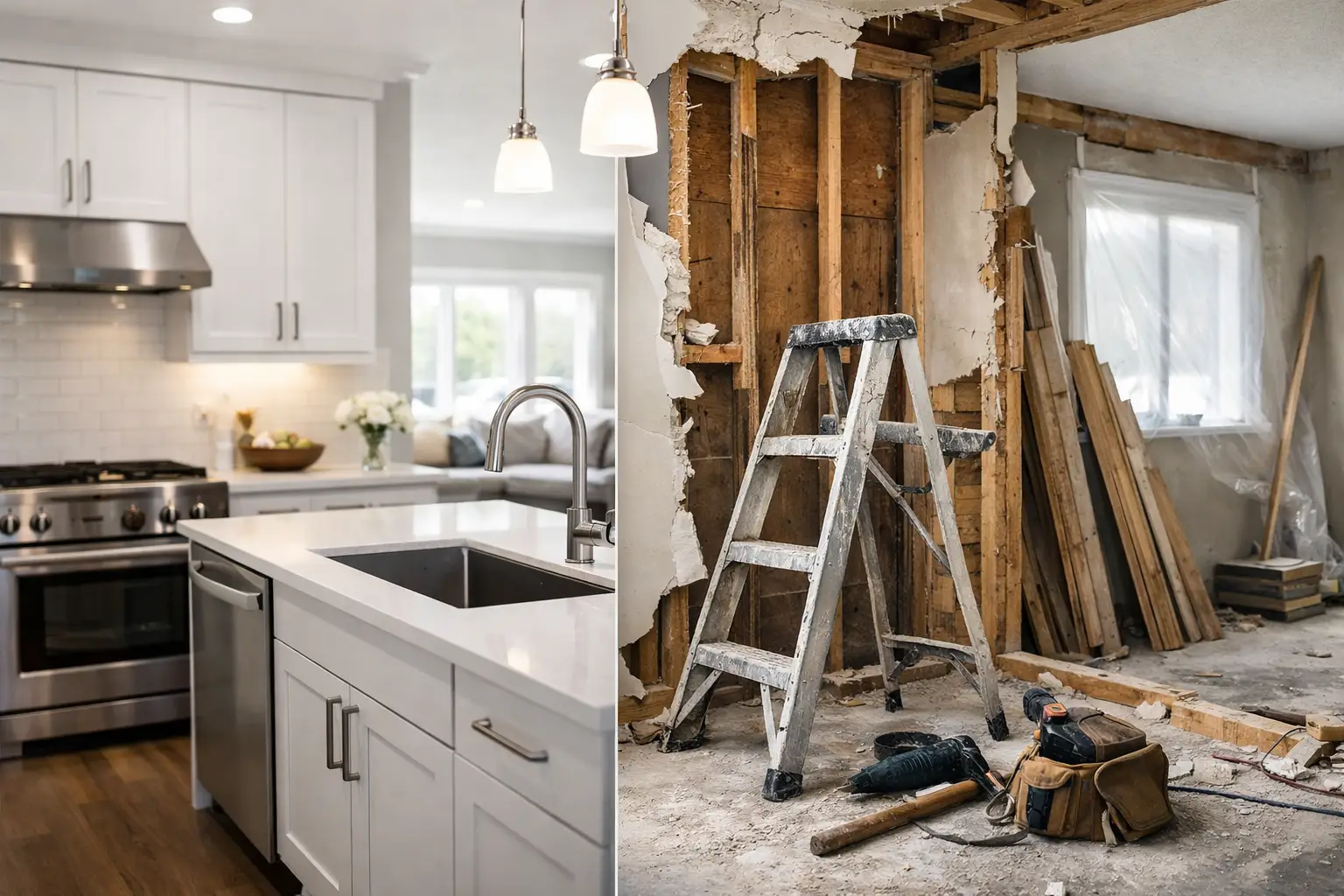
A freshly renovated New Orleans home can feel compelling the moment you walk through the door: restored millwork, updated systems, a polished kitchen, and no immediate to-do list. A fixer-upper may offer something just as valuable - a better location, a larger footprint, or an entry point into a neighborhood that would otherwise be out of reach. The choice between renovated or fixer upper homes is not simply about taste. It is a decision about risk, timing, cash flow, and how much control you want over the finished result.
In a city where historic character, flood considerations, insurance costs, and neighborhood-by-neighborhood property conditions all matter, buyers benefit from looking beyond the finish selections. The right home is the one whose condition, price, and future obligations align with your life and your financial comfort level.
Renovated or Fixer Upper Homes: Start With Your Priorities
A renovated home generally delivers certainty. The work is visible, the timeline is immediate, and it is easier to picture your life in the space. For buyers relocating to New Orleans, balancing a demanding career, or hoping to avoid construction decisions, that certainty carries real value.
But “renovated” is not a uniform standard. One property may have a fully permitted renovation that includes new plumbing, electrical service, HVAC equipment, a roof, and thoughtful restoration of original architectural details. Another may have attractive cosmetic updates covering aging systems or unresolved moisture issues. The listing language matters less than the documentation, quality of workmanship, and inspection findings.
A fixer-upper offers a different kind of opportunity. You may pay less for the house itself, have more freedom to select finishes and layouts, and build value through well-planned improvements. That can be especially appealing in neighborhoods with strong demand for preserved historic homes, well-designed doubles, and updated properties near the city’s major employment and entertainment districts.
The trade-off is that a fixer-upper asks more of you. It requires patience, decision-making, reserves beyond the purchase price, and a clear understanding of what can realistically be changed. A project with good bones can be rewarding. A project with hidden structural, drainage, or mechanical problems can become expensive quickly.
What a Renovated Home Really Costs
The price premium on a renovated property is not just for quartz counters or new appliances. It often reflects the cost of labor, materials, permits, financing, and the seller’s assumption of the renovation risk. In a well-executed home, paying that premium can be sensible because you are buying time, predictability, and the ability to move in without coordinating contractors.
Still, buyers should examine whether the premium matches the quality of the work and the home’s location. In New Orleans, location can influence daily life and long-term value as much as a high-end renovation. Consider the block, drainage patterns, elevation, proximity to commercial activity, parking, walkability, and the character of surrounding properties. A beautifully finished home on a less desirable block may not perform the same way as a more modest home in a highly sought-after setting.
Ask for records of material improvements when available. Useful information includes permits, invoices, warranties, the age of the roof and HVAC systems, electrical upgrades, plumbing work, foundation or pier repairs, and flood mitigation measures. For historic properties, confirm whether the work respected preservation requirements and whether any future exterior changes could be limited by local regulations.
A thorough inspection remains essential, even when everything looks new. Fresh paint can improve a room. It cannot tell you whether the attic is properly ventilated, the crawl space is dry, or the electrical panel is adequately sized for the home.
The True Budget for a Fixer-Upper
A buyer evaluating a fixer-upper should establish two budgets: the purchase budget and the project budget. The second should include more than visible renovations. In older New Orleans homes, priorities may include roof work, electrical modernization, plumbing replacement, termite treatment or repairs, foundation stabilization, drainage improvements, insulation, and HVAC upgrades.
Cosmetic plans should come after health, safety, and water-management concerns. It is easier to enjoy a redesigned kitchen when the home is dry, the systems are dependable, and the structure has been properly assessed.
Your project budget also needs a contingency reserve. Renovation costs are rarely exact at the beginning, particularly in homes with concealed conditions behind walls, beneath floors, or within older additions. The appropriate reserve depends on the scope and condition of the home, but buyers should avoid committing every available dollar to the down payment and planned finishes.
Financing deserves attention early. A conventional mortgage may work for a property needing modest updates, while a more substantial project may require renovation financing, cash, or a different lending strategy. Your lender can help determine what loan structure fits the property condition and the work you intend to complete. Insurance availability and cost should also be investigated before you remove contingencies. A home’s roof age, elevation, prior claims, and condition can all affect your options.
New Orleans Questions That Change the Calculation
New Orleans homes have layers of history, and that is part of their appeal. It also means every property requires a local lens. A century-old shotgun may have extraordinary proportions and irreplaceable details, but it may also need specialized attention to piers, flooring, plumbing, or drainage. A newer condominium may reduce exterior maintenance responsibilities, while bringing HOA rules, reserves, and monthly assessments into the decision.
Flood zones and elevation are important, but they are not the entire story. Buyers should review available flood information, ask about the property’s history, understand current insurance quotes, and consider how water moves around the site. A home that has been carefully elevated or improved for drainage may offer a different risk profile from one with a similar address but less preparation.
Historic district rules can also influence a renovation plan. They may protect the architectural qualities that make a neighborhood desirable, but they can affect what you can alter on the exterior and how quickly certain approvals are obtained. That is not necessarily a reason to walk away. It simply needs to be part of the timeline and budget from the outset.
How to Make a Confident Comparison
When two homes are competing for your attention, compare them on a total-ownership basis rather than asking only which one has the lower list price. Estimate the purchase price, immediate repair needs, anticipated renovation costs, insurance, taxes, maintenance, and the practical cost of living through a project or delaying your move.
Then consider the lifestyle question. Do you want a home that is ready for gatherings, work-from-home routines, and weekends in the city from day one? Or are you energized by the prospect of restoring original details and creating a home that reflects your preferences? Neither answer is more sophisticated. The mistake is choosing a renovation project when your schedule, finances, or tolerance for uncertainty point toward a move-in-ready home.
It can be helpful to bring a contractor or knowledgeable tradesperson to a second showing of a fixer-upper, especially before finalizing negotiations. Their perspective can clarify whether an apparent project is mostly cosmetic or whether it involves systems and structure. For a renovated property, use the same diligence to evaluate quality and identify any work that may need follow-up.
A Home Should Support the Life You Want to Build
The strongest purchase is rarely the one with the most dramatic before-and-after potential or the most photogenic finishes. It is the property that gives you confidence in the numbers, comfort with the condition, and a clear path to the way you want to live in New Orleans.
Whether you choose a fully renovated residence or a home ready for your vision, thoughtful due diligence turns a high-stakes decision into a well-managed one. Raymond Real Estate can help you evaluate the details that matter, from neighborhood value and property condition to the practical questions that shape a successful offer. Learn More
Frequently Asked Questions About Renovated vs. Fixer-Upper Homes
Is it better to buy a renovated home or a fixer-upper?
A renovated home may be better if you want modern finishes, fewer immediate repairs, and predictable move-in costs. A fixer-upper can be a better choice if you are comfortable managing renovations and want the opportunity to customize the property or build equity.
Are fixer-upper homes always less expensive?
Fixer-uppers usually have lower purchase prices, but the total cost can rise quickly after renovations, permits, inspections, and unexpected repairs. Compare the estimated after-renovation cost with the price of similar move-in-ready homes before deciding.
Can I finance renovations with my mortgage?
Certain loan programs allow eligible buyers to combine a home’s purchase price and renovation expenses into one mortgage. Options may include FHA 203(k), Fannie Mae HomeStyle Renovation, and VA renovation loans. Eligibility, property requirements, and lender availability vary.
What should I inspect before buying a fixer-upper?
Pay close attention to the roof, foundation, plumbing, electrical system, HVAC equipment, drainage, moisture damage, termites, and structural components. In New Orleans, buyers should also consider flood risk, insurance costs, elevation, and historic-district requirements.
How can I tell whether a renovated home was updated properly?
Request permits, invoices, warranties, contractor information, and a list of completed improvements. A professional home inspection is still essential because attractive finishes can sometimes conceal aging systems or poor workmanship.
Which renovations typically offer the most value?
Kitchens, bathrooms, flooring, paint, lighting, energy-efficient improvements, and major system upgrades often have broad buyer appeal. However, value depends on the home’s location, condition, renovation quality, and surrounding comparable sales.
How much extra should I budget for unexpected repairs?
Many buyers set aside a contingency of approximately 10% to 20% of the estimated renovation budget. Older or heavily distressed properties may require a larger reserve because hidden problems often appear after work begins.
Can I live in a fixer-upper during renovations?
Possibly, but it depends on the scope of work. Cosmetic updates may allow you to remain in the home, while extensive electrical, plumbing, structural, or kitchen renovations could make temporary housing necessary.
Are fixer-uppers good investments?
They can be when the purchase price, renovation budget, timeline, and expected value are carefully evaluated. Overpaying, underestimating repairs, or making improvements that exceed neighborhood values can reduce or eliminate potential returns.
Should first-time buyers consider a fixer-upper?
Yes, if they have adequate savings, realistic expectations, reliable contractors, and financing suited to the project. Buyers with limited cash reserves or little renovation experience may be more comfortable purchasing a renovated home.
How do historic-district rules affect renovations in New Orleans?
Exterior changes to properties in certain historic districts may require approval before work begins. Buyers should confirm applicable regulations, permit requirements, and potential renovation restrictions before purchasing.
How can a real estate agent help with this decision?
An experienced local agent can compare renovated and fixer-upper properties, review comparable sales, estimate potential resale value, identify location-specific concerns, and connect you with inspectors, lenders, and contractors.
Ready to Compare Your Options?
Whether you want a beautifully renovated home or a fixer-upper with potential, Raymond Real Estate can help you evaluate the true costs and opportunities. Contact Josh Raymond for guidance on buying a home in New Orleans. Learn More
Check out this article next