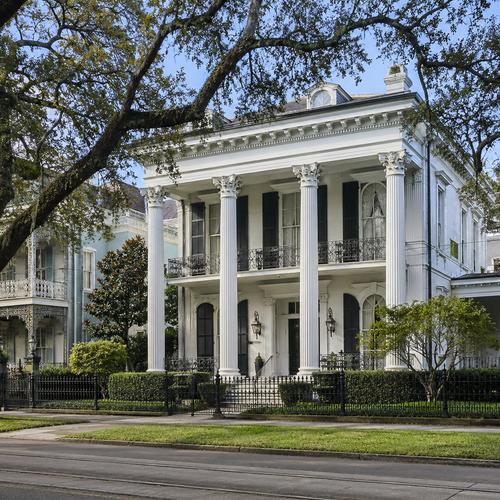


An inherited home often arrives with more than paperwork. It can carry family history, maintenance issues, differing opinions among heirs, and real financial pressure. If you are figuring out how to sell an inherited house, the fastest path is rarely the best one. The right path is the one that protects the estate, keeps the process organized, and positions the property well in the market.
In New Orleans, that matters even more. Older homes, historic designations, flood risk, insurance concerns, and neighborhood-by-neighborhood pricing can all affect what a property is worth and how buyers respond. Selling well takes more than putting a sign in the yard. It takes clarity, timing, and a strategy built around the specifics of the home.
How to sell an inherited house without early mistakes
The first step is confirming your legal authority to sell. In some cases, the property transfers directly through a trust or another estate planning tool. In others, it must go through succession, which is Louisiana's probate process. Until ownership and authority are clear, it is difficult to market the home confidently or close a sale on schedule.
That is why one of the biggest mistakes sellers make is treating inherited property like any other listing from day one. Before discussing paint colors or staging, make sure the title, succession status, and decision-making authority are in order. If there are multiple heirs, everyone should understand who has the right to sign, how sale decisions will be made, and how proceeds will be distributed.
This stage can feel administrative, but it shapes everything that follows. Buyers and their agents look for certainty. If there are unresolved estate issues, missing documents, or disagreements among family members, delays become more likely and offers can weaken quickly.
Start with the legal and financial picture
Once authority is clear, the next priority is understanding the home's financial position. That includes any mortgage balance, unpaid property taxes, insurance obligations, utility costs, and deferred maintenance. Many inherited properties have been lightly occupied or vacant for a period of time, which means carrying costs can add up before the home ever reaches the market.
You will also want a realistic sense of the home's current value. This is where professional pricing guidance matters. Online estimates can be misleading, especially for distinctive New Orleans properties where architecture, block-by-block demand, and condition all influence value. A renovated condo in the Warehouse District, a traditional Uptown home, and a property in Mid-City with foundation concerns all require very different pricing logic.
Taxes deserve careful attention as well. Inherited property often receives a step-up in basis, which can reduce capital gains exposure if the home is sold relatively soon after inheritance. But tax outcomes depend on your circumstances, the date-of-death value, improvements made before sale, and how long the property is held. This is an area where precision matters more than assumptions.
Decide whether to sell as-is or improve the home
One of the most common questions about how to sell an inherited house is whether it makes sense to renovate first. The answer depends on the property's condition, the local buyer pool, your budget, and your timeline.
Some inherited homes should be sold as-is. That can be the right choice when the property needs substantial work, the estate wants a faster sale, or the heirs prefer to avoid the cost and complexity of managing contractors. An as-is sale can still be successful if the home is priced properly and marketed honestly.
Other homes benefit from selective preparation. Deep cleaning, landscaping, paint touch-ups, lighting updates, and minor repairs can change how buyers perceive value. In many cases, the goal is not a full remodel. It is creating a home that feels cared for, accessible, and worth touring.
The trade-off is straightforward. More preparation can produce a stronger sale price, but it requires upfront investment and more time. Less preparation may reduce stress, but it can narrow the buyer pool and invite lower offers. A strong listing strategy looks at what the market is likely to reward, not just what the house needs in theory.
Pricing an inherited house requires discipline
Inherited homes are especially vulnerable to pricing mistakes. Families may anchor to what the home meant emotionally, what was spent on it years ago, or what a neighbor's house sold for under very different conditions. Buyers, meanwhile, look at current competition, condition, insurance costs, and expected repair expense.
That gap can be costly. If the home is overpriced, the first few weeks on the market can be wasted, and that is usually when serious buyers are paying the most attention. If it is underpriced, the estate may leave meaningful equity behind.
A disciplined pricing approach should account for recent local sales, current inventory, condition, location nuance, and likely buyer objections. In New Orleans, details like off-street parking, elevation, storm history, historic features, condo association health, and flood zone considerations can all influence value more than sellers expect.
This is one reason concierge-level representation matters. The best pricing strategy is not just about setting a number. It is about knowing how the market will interpret the property the moment it launches.
Prepare the home for the market with care
Selling an inherited property often means sorting through years of belongings. That process is practical, but it is also emotional. Give it more time than you think you need. Rushed clean-outs can create unnecessary tension among family members and lead to avoidable mistakes.
Once personal items have been handled, focus on presentation. Cleanliness, light, and order matter. Buyers can forgive dated finishes more easily than clutter, odors, or signs of neglect. If the home has been vacant, it is also wise to check systems carefully before listing. Plumbing leaks, HVAC issues, roof concerns, and pest activity can undermine a sale quickly if they surface late.
For properties with historic character, presentation should highlight what makes the home special without ignoring practical concerns. Original details can be a real asset, but buyers still want reassurance about livability, maintenance, and insurability.
Market timing matters, but readiness matters more
Sellers often ask whether they should wait for a better season. Timing does matter, but inherited property sales are driven just as much by readiness. A well-prepared home priced accurately will typically perform better than a rushed listing launched in a theoretically better month.
If the estate is paying ongoing expenses, waiting can become expensive. On the other hand, listing before succession is settled, before the home is clean, or before key repairs are addressed can weaken your position. The best timing is usually the point where legal clarity, property readiness, and market opportunity align.
For many sellers, that balance is easier to reach with an agent who can coordinate the moving pieces. At Raymond Real Estate, that often means helping clients think beyond the listing date and build a plan that protects value from the start.
When multiple heirs are involved
An inherited house becomes more complicated when several people have a stake in the outcome. One heir may want a quick sale, another may want to keep the home, and another may be focused on maximizing price. Those differences are common, and they can stall progress if they are not addressed early.
The most productive approach is transparency. Agree on who will communicate with the attorney, who will manage property access, how offers will be reviewed, and what level of repairs or updates the group is willing to approve. When expectations are vague, even small decisions can become major obstacles.
If there is tension, a clear market-based strategy helps. Objective pricing, written timelines, and defined responsibilities reduce the risk that decisions become personal. Inherited property sales are easier when everyone feels the process is structured and fair.
What buyers will notice right away
Buyers tend to spot the same pressure points in inherited homes. They notice deferred maintenance, outdated electrical systems, old roofs, moisture issues, and signs the home has been vacant. They also pay close attention to disclosure gaps. If basic information is unclear, they may assume the worst.
That does not mean an inherited house cannot sell well. It means credibility matters. Honest positioning, thoughtful preparation, and complete documentation can give buyers confidence even when the home is not perfect. Strong marketing should present the property attractively, but it should also anticipate questions before they become deal problems.
A well-handled inherited sale feels steady from the outside. Buyers see a property that is properly priced, professionally represented, and ready for a serious transaction. That confidence often translates into stronger offers and smoother negotiations.
Selling an inherited home is rarely just a real estate decision. It is a legal process, a financial event, and often a family milestone all at once. The right approach gives each of those pieces the attention they deserve, so you can move forward with clarity and confidence. Learn More
Check out this article next