

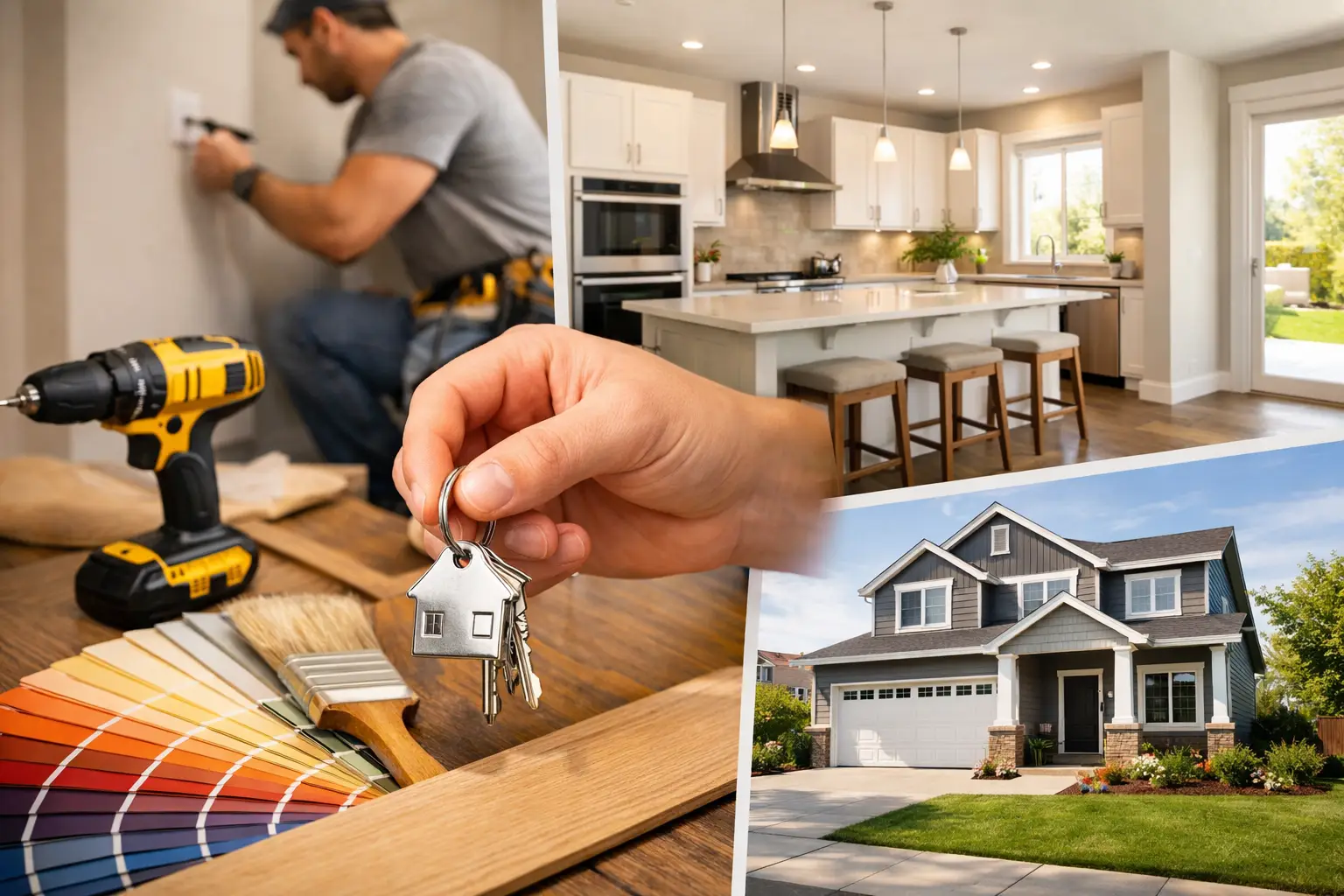
A seller in New Orleans can spend $30,000 getting a house ready for market and still miss the changes buyers actually notice in the first five minutes. That is why choosing the best upgrades before listing matters so much. The goal is not to renovate for your taste or even to make everything new. It is to make the home feel well cared for, easy to move into, and worth the asking price.
In a market like New Orleans, that decision-making takes even more discipline. Historic details, older systems, condo rules, flood considerations, and neighborhood expectations all shape what is worth doing before a home goes live. The smartest pre-listing upgrades are the ones that photograph well, reassure buyers, and support pricing without pushing you into improvements you will not fully recoup.
How to think about the best upgrades before listing
Before choosing finishes or calling contractors, it helps to separate upgrades into three categories: must-fix issues, high-visibility improvements, and nice-but-optional projects. Must-fix issues include anything that raises red flags during showings or inspections, such as water damage, broken windows, loose handrails, or obvious deferred maintenance. These problems make buyers assume there is more wrong than they can see.
High-visibility improvements usually bring the strongest return because they shape first impressions. Paint, lighting, flooring condition, landscaping, and kitchen or bath presentation tend to matter more than expensive custom work. Nice-but-optional projects are the ones sellers often overvalue, such as a full luxury bath remodel in a home where buyers are primarily paying for location, ceiling height, or historic charm.
A well-prepared listing should look clean, current, and coherent. It does not need to feel brand new. In many New Orleans homes, especially historic properties, buyers respond better to thoughtful updates that respect the character of the house than to trendy finishes that feel out of place.
1. Fresh paint is still one of the best upgrades before listing
Few improvements change a home as quickly or as cost-effectively as paint. Fresh interior paint brightens rooms, hides everyday wear, and creates a sense of care. It also helps listing photography significantly, which matters in a market where your first showing often happens online.
Color choice matters. Soft whites, warm neutrals, and light greiges tend to appeal to the widest range of buyers. In historic homes, crisp but not stark paint often works best because it highlights millwork and architectural detail without making the space feel stripped of personality. If a room has bold colors, repainting is usually worth it unless the design is exceptionally polished.
Exterior paint can also be valuable, but it depends on scope. Touch-ups on trim, shutters, railings, and porches may do more for curb appeal than repainting the entire exterior. The right move depends on condition, visibility from the street, and price point.
2. Repair what buyers will assume means bigger trouble
Small defects have a way of becoming expensive in a buyer's mind. A dripping faucet, cracked tile, sticking door, missing screen, or stained ceiling may seem minor, but taken together they suggest poor maintenance. That affects both confidence and offer strength.
This is especially true in older New Orleans properties, where buyers are already watching for signs of moisture intrusion, aging systems, and settlement. If there are straightforward repairs to make, handling them before listing can prevent a showing from turning into a mental checklist of future costs.
Not every repair needs to become a major project. The question is whether the issue will distract buyers, raise inspection anxiety, or weaken your negotiating position. If the answer is yes, it should move up the list.
3. Upgrade lighting and hardware for an immediate lift
Lighting is often overlooked because sellers live with it every day. Buyers notice it right away. Dated fixtures can make an otherwise attractive home feel tired, while better lighting makes rooms feel more open, cleaner, and more current.
This does not mean installing elaborate statement pieces everywhere. In most homes, the best approach is to replace fixtures that are visibly outdated, improve bulb consistency and warmth, and make sure every room is well lit. Entryways, dining rooms, kitchens, and primary baths usually offer the best payoff.
Cabinet hardware, doorknobs, and faucets work the same way. If finishes are mixed, worn, or dated, replacing them can create a cleaner visual story without the expense of full renovation. The key is consistency. Buyers respond to homes that feel intentionally updated, not patched together.
4. Focus on kitchens without forcing a full remodel
A full kitchen renovation before listing is rarely the first recommendation unless the kitchen is severely outdated for the price range. Most sellers do better with targeted improvements that improve presentation and function.
Painting cabinets, replacing hardware, updating light fixtures, swapping worn countertops in limited cases, and installing a clean backsplash can go a long way. If appliances are mismatched or visibly aging, replacing one or two key pieces may help, but replacing an entire appliance suite is not always necessary.
The reason kitchens matter is simple: buyers tend to anchor value there. But they are also highly personal spaces, so overspending can backfire. A polished, neutral, well-maintained kitchen usually outperforms an expensive remodel designed around a seller's specific taste.
5. Refresh bathrooms where buyers expect cleanliness and calm
Bathrooms do not need to feel luxurious to support a strong sale, but they do need to feel clean, bright, and well maintained. Regrouting tile, replacing a dated mirror, updating vanity lighting, installing a new faucet, and painting the vanity can make a noticeable difference.
If there is old caulk, rust staining, or chipped finishes, take care of those details before professional photography. Buyers read them as maintenance issues, not cosmetic quirks. In condos and higher-end homes, bathrooms carry even more weight because buyers expect a more polished finish level.
As with kitchens, full gut renovations are not automatically the best investment. The smarter move is often a restrained refresh that makes the room feel cared for and current.
6. Flooring matters more than sellers think
Flooring affects how buyers experience the entire home. Worn carpet, heavily scratched wood, cracked tile, or inconsistent materials from room to room can make a property feel less valuable even if the layout and location are strong.
Refinishing hardwood floors can be worthwhile if the floors are a selling feature, which is often the case in New Orleans homes with original character. If refinishing is not practical, a professional deep clean or selective repair may still help. Replacing old carpet is usually worth serious consideration, especially if there are odors or visible wear.
The trade-off is cost versus likely return. In some homes, flooring updates are essential because they affect every showing. In others, especially if a buyer may renovate after closing, a credit or adjusted price may make more sense than replacement.
7. Improve curb appeal because buyers start judging before they park
The exterior sets the tone for the entire showing. That does not mean manicured perfection. It means the home should feel welcoming, maintained, and easy to approach with confidence.
Trim overgrown landscaping, refresh mulch, pressure wash hard surfaces where appropriate, clean or repaint the front door, and make sure house numbers, gates, and exterior lighting all look intentional. In New Orleans, porches, courtyards, and balconies often carry emotional weight for buyers. If those spaces are part of the home's appeal, they should be presented as usable extensions of the living space.
Curb appeal is one of the best upgrades before listing because it improves both photography and in-person showings. It also suggests that the care buyers see outside continues inside.
8. Address odor, moisture, and air quality concerns directly
Some issues do not show up clearly in photos, but they can derail a sale the moment a buyer walks in. Odors from pets, smoking, mildew, or long-term vacancy create an immediate negative impression. So do signs of excess humidity, mustiness, or poor ventilation.
In South Louisiana, this deserves real attention. Dehumidifying, servicing HVAC systems, cleaning ducts when needed, repairing leaks, and removing the source of odor matter more than masking scents with candles or sprays. Buyers are quick to interpret musty air as a bigger moisture problem, whether that is accurate or not.
If a property has had moisture-related issues in the past, presentation needs to be especially careful. A clean, dry, fresh-smelling home builds trust.
9. Stage the space through editing, not overdecorating
One of the most effective upgrades is not a construction project at all. It is editing the home so its scale, light, and function are easy to read. That may mean removing oversized furniture, simplifying decor, relocating rugs, or rethinking how a room is used.
Buyers should be able to understand each space quickly. If a dining room is serving as storage, or a guest room is packed wall to wall with furniture, the home will feel smaller and less composed. Strategic staging, whether full or partial, often produces stronger results than an expensive finish upgrade with limited visual impact.
For sellers who want a polished, market-ready presentation without wasting money, this is where experienced guidance matters. A concierge-level strategy looks at the whole picture, from pricing and buyer expectations to which updates are truly worth doing in that specific home.
The best pre-listing plan is rarely the most expensive one. It is the one that helps buyers feel confidence the moment they walk in and gives your home every opportunity to stand out for the right reasons. Learn More
Check out this article next