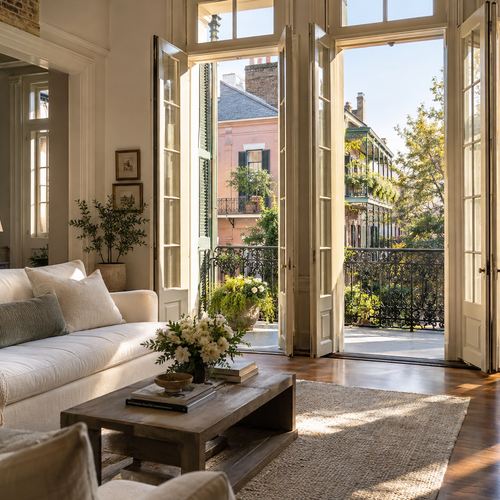

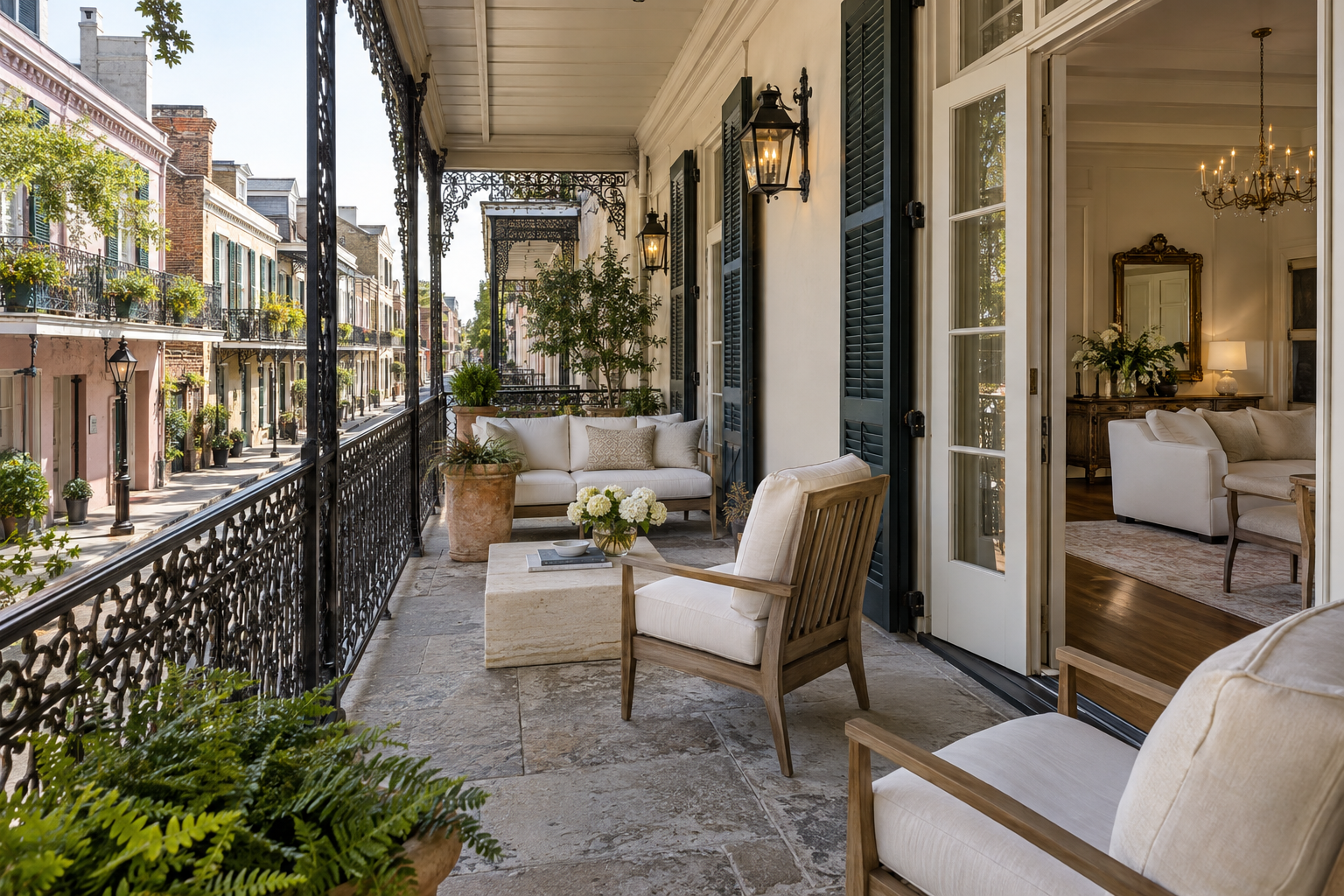
Imagine arriving in New Orleans on a Friday afternoon and heading straight to your own place. Your favorite coffee cups are already in the cabinet. Dinner reservations are a short walk away. Sunday checkout is entirely up to you.
For people who return to the city regularly, buying a condo as a second home can make those visits feel more personal, comfortable, and spontaneous. It gives you a familiar home base for long weekends, Saints games, celebrations, and time with family.
The right purchase starts with a simple question: What would make you want to spend more time here?
This guide explores how to choose a New Orleans second-home condo that fits your routines, your budget, and the way you enjoy the city.
Why a Condo Can Make a Great New Orleans Second Home
A second home should make getting away easier. Condo ownership can support that goal by combining a convenient location with shared responsibility for parts of the building.
Depending on the association, exterior upkeep, landscaping, and common-area maintenance may be handled collectively. That can be appealing when you live elsewhere and want to spend your visits enjoying New Orleans.
There is also the pleasure of having a place that feels like yours. You can leave clothes in the closet, keep the kitchen stocked with your essentials, and settle into a neighborhood routine.
Before narrowing your search, explore our guide to buying a condo in New Orleans with confidence for a broader look at evaluating both the residence and the building behind it.
Start With the Weekends You Want to Have
Your ideal second home depends on how you actually spend time in New Orleans.
Do you picture walking to breakfast and browsing galleries? Hosting friends before a game? Reading on a balcony? Spending several weeks in the city while working remotely?
These details should shape your search.
Consider:
- Frequency: Will you visit monthly, seasonally, or for a handful of major events?
- Guests: Will you usually travel alone, as a couple, or with family?
- Transportation: Will you bring a car or rely on walking and rideshares?
- Work: Do you need a quiet workspace and dependable internet?
- Comfort: Are stairs manageable, or is an elevator essential?
- Atmosphere: Do you enjoy a lively street, or would you prefer a quieter retreat?
A well-designed one-bedroom may be ideal for frequent couple’s weekends. A two-bedroom may be worth the additional expense if hosting family is central to your plans.
Buy enough space for the visits you expect to make regularly.
Which New Orleans Neighborhood Fits Your Second Home?
French Quarter: Historic Character and a Distinct Sense of Place
If your idea of New Orleans includes intimate courtyards, historic architecture, and stepping outside into a neighborhood filled with character, the French Quarter deserves a close look.
The experience varies substantially by building and block. A street-facing residence and a courtyard-facing unit can feel very different, even within the same property. Visit at different times to assess sound, activity, and access.
Our French Quarter condo buyer’s guide offers a starting point for exploring the neighborhood and its housing options.
Warehouse District: Restaurants, Galleries, and Loft Character
The Warehouse District is worth exploring if your perfect weekend includes a gallery visit, dinner nearby, and a comfortable place to entertain afterward.
Converted warehouse residences can offer architectural details such as exposed brick and generous ceiling heights, while other buildings provide a more contemporary setting. Amenities, views, and parking vary by property.
Read more about the Warehouse District condo lifestyle, restaurants, views, and walkability to see how the area could fit your visits.
CBD: Build Your Search Around Convenience
For a downtown home base, include the Central Business District in your search. Compare individual addresses against the places you expect to visit most.
Walk the route to your favorite destinations. Check how you would enter the building with luggage or groceries. If you plan to attend games or performances, consider what arriving and leaving might feel like during busy periods.
The best location is the one that makes your usual plans easy.
Look for Features That Make Every Visit Better
An impressive view may catch your attention, but practical details can determine how much you enjoy owning the condo.
For a second home, prioritize features such as:
- Convenient entry: Understand how owners and authorized guests access the building.
- Parking: Verify whether a space is included, separately owned, assigned, or leased.
- Elevator access: Consider luggage, groceries, and visiting family.
- Storage: Look for room to leave personal belongings between trips.
- Laundry: In-unit laundry can simplify longer stays.
- Outdoor space: Confirm whether a balcony, terrace, or courtyard is private or shared.
- Responsive management: Ask who handles building concerns and after-hours emergencies.
Choose amenities you expect to use. Our guide to the best condo amenities for resale value can help you think through how convenience, management, and building features may also appeal to future buyers.
Understand the Full Cost of Your Weekend Address
A comfortable purchase budget includes both the cost of buying and the cost of keeping the property.
Before making an offer, build a property-specific estimate that includes:
- Mortgage payments, if financing.
- Property taxes.
- Association dues.
- Appropriate unit-owner insurance and any additional coverage needed.
- Utilities and internet.
- Parking charges, if separate.
- Cleaning and periodic property checks.
- Interior maintenance and appliance replacement.
- A cushion for unexpected expenses and possible assessments.
Set aside funds for closing costs, furniture, linens, kitchen supplies, and any immediate improvements as well.
Association dues deserve careful attention because the services included can differ substantially between buildings. Review our explanation of New Orleans condo fees and compare the actual budgets and responsibilities behind each property’s monthly charge.
The goal is to own a place you can comfortably enjoy throughout the year—even during months when you visit less often.
Make “Lock and Leave” a Practical Plan
The phrase “lock and leave” captures an appealing part of condo ownership, but a second home still needs attention between visits.
Before buying, find out who could check the unit, respond to a leak, or meet a repair technician while you are away. Ask management where its responsibilities end and yours begin.
A simple ownership plan should address:
- Who has authorized emergency access.
- How often someone checks the unit.
- How air-conditioning and humidity will be managed.
- Whether leak sensors or remote monitoring would be useful.
- How packages and mail are handled.
- Who prepares the property when severe weather is expected.
Discuss your expected occupancy pattern with your insurance agent so the coverage matches how you will use the home.
Planning these details early helps make future visits feel easy.
Review the Association Along With the Condo
A beautiful interior is only part of the purchase. You are also joining an association responsible for shared property and expenses.
Request the current budget, financial statements, governing documents, insurance information, recent meeting minutes, and information about planned work or assessments. Review available reserve studies and maintenance records.
Ask direct questions:
- What major projects are expected?
- How will those projects be funded?
- Are there unresolved maintenance concerns?
- What rules apply to guests, pets, and renovations?
- Who manages the building and communicates with owners?
Clear information helps you understand what ownership will involve and compare buildings with greater confidence.
Discuss Second-Home Financing Early
If you plan to finance the purchase, tell your lender exactly how you intend to use the property.
Second-home classification has specific requirements. For example, Fannie Mae’s guidelines include personal occupancy for part of the year, year-round suitability, and borrower control over the property. Your lender should confirm which loan program and occupancy classification fit your plans.
Ask the lender to evaluate the condominium project early as well. Understanding the financing path before you become attached to a particular unit can make your search more productive.
Buy for Your Enjoyment Without Depending on Rental Income
It can be tempting to assume you will rent the condo whenever you are away. Treat that possibility as a separate question requiring verification.
Before relying on rental income, confirm the applicable city requirements, association restrictions, insurance terms, and lender requirements for the specific property and intended use.
For a lifestyle purchase, a useful starting point is:
Would I still feel comfortable owning this condo if I never rented it?
If the answer is yes, you can choose your visits around your own schedule and evaluate the purchase primarily on the enjoyment and convenience it provides.
Frequently Asked Questions About New Orleans Second-Home Condos
Is a condo a good choice for a second home in New Orleans?
It can be an excellent fit for buyers who visit regularly and value a convenient location with shared building maintenance. The right choice depends on the individual condo, association, total expenses, and your travel habits.
Is the French Quarter or Warehouse District better for a second home?
Both deserve consideration. Start with the surroundings you prefer, then compare individual properties for noise, parking, access, layout, and management. Spend time around each building before deciding.
Do I need parking if I mostly plan to walk?
Consider how you will arrive and whether you will take trips outside the neighborhood. Even if you rarely drive during a visit, convenient parking may make arrival and departure easier. Verify the legal arrangement and any separate costs.
How many bedrooms should a second-home condo have?
Choose based on your usual visits. A one-bedroom may comfortably serve one or two people, while a second bedroom can make hosting and remote work easier. Compare the additional ownership costs with how often you would use the extra room.
Can I leave my condo empty between visits?
Plan for regular checks, emergency access, climate control, and maintenance. Confirm any association and insurance requirements that apply while you are away.
Should I buy furnished?
A furnished property may simplify your first visits. Review the condition of the furnishings and document exactly what is included in the purchase agreement. Evaluate the condo’s value separately from the convenience of its contents.
Find Your Own Place in New Orleans
A second home can turn familiar visits into something more lasting: your favorite breakfast spot, your own place to host friends, and a neighborhood you get to know one weekend at a time.
The right condo brings those pleasures together with an ownership arrangement that fits your life.
Josh Raymond and Raymond Real Estate can help you compare New Orleans condos, evaluate building details, and find a second home that matches the way you want to enjoy the city.
Explore available New Orleans properties or call 504-256-7877 to start your search.
Check out this article next