

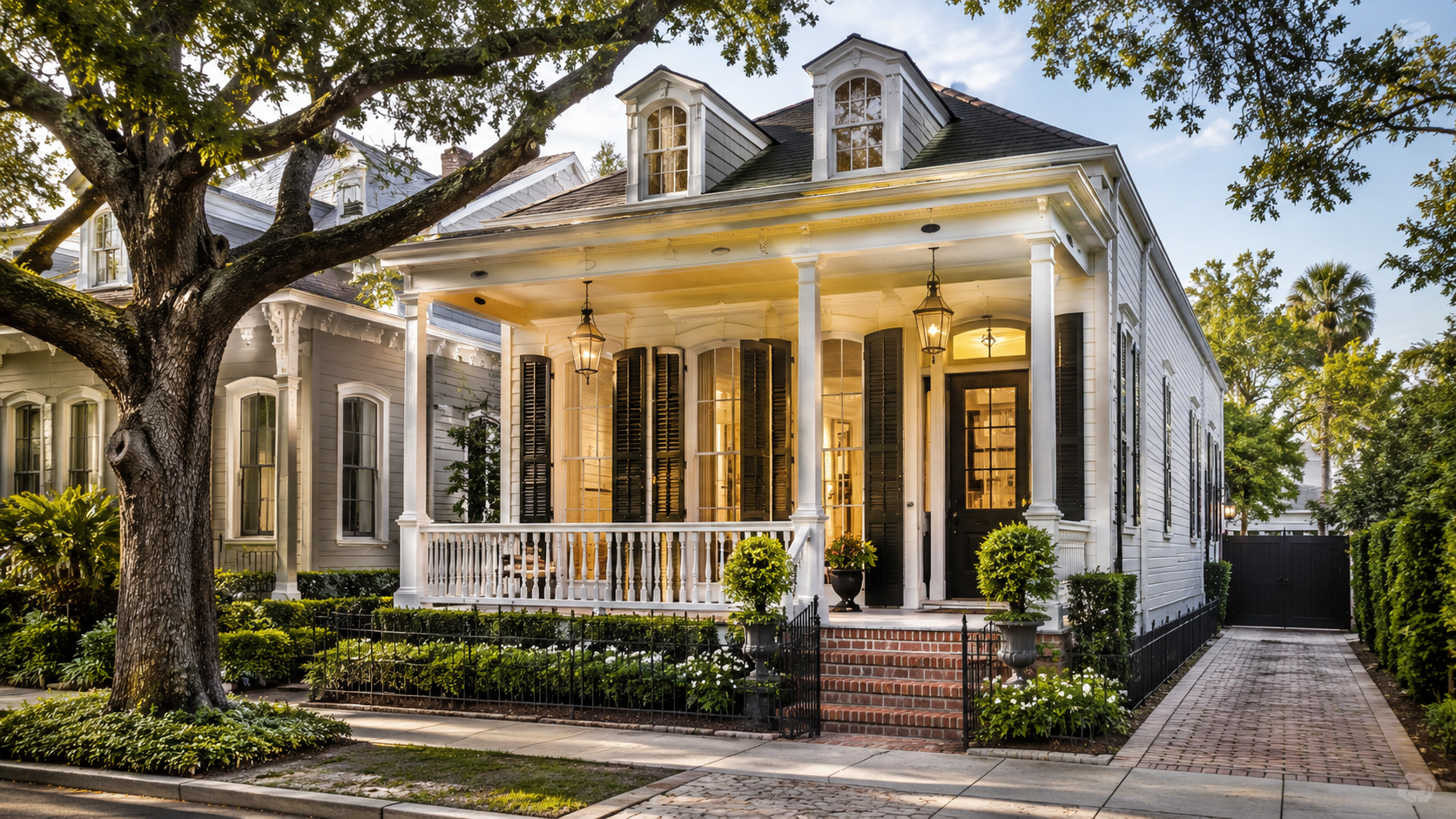
A home can have soaring ceilings, original millwork, and a coveted New Orleans address, yet still sit on the market if buyers see a better overall value nearby. What makes a home competitive is not one feature or one number. It is the combination of price, condition, location, presentation, and the confidence a buyer feels when deciding whether to make an offer.
For sellers, competitiveness is what creates showing activity, serious offers, and leverage during negotiations. For buyers, understanding it helps separate a home that is genuinely well-positioned from one that may require more careful evaluation. In a market shaped by historic architecture, block-by-block differences, insurance considerations, and limited inventory, the details matter.
What Makes a Home Competitive?
A competitive home compares favorably with the properties a buyer can realistically choose instead. That comparison usually happens quickly. Buyers notice the asking price, photos, layout, maintenance, monthly carrying costs, and location before they have spent ten minutes inside.
The strongest listings make the decision feel clear. They do not have to be the largest home, the newest renovation, or the lowest-priced option. They simply offer a compelling balance of lifestyle, quality, and financial logic for their specific buyer.
A renovated condo in the Warehouse District may compete on walkability, building amenities, parking, and low-maintenance living. A historic Uptown residence may compete on architectural detail, lot size, entertaining space, and proximity to schools or neighborhood destinations. A home in Lakeview may stand out through practical floor plans, newer construction, and everyday convenience. Each property has a different competitive set, which is why a broad citywide average is rarely enough to guide a pricing or buying decision.
Pricing Must Match the Market, Not the Seller's Expectations
Correct pricing is the foundation of a competitive listing. Buyers are highly informed, and they are usually reviewing new listings alongside recent sales, price reductions, and comparable homes that may still be available. If a property is priced above its apparent value, buyers often wait rather than negotiate immediately. That delay can reduce urgency and make a later price adjustment more difficult.
The right price is not necessarily the lowest price. It is the price that reflects the home’s condition, location, features, and position against active competition. A beautifully updated home on a preferred block can justify a premium. A similar home with dated systems, limited parking, or flood-related concerns may need to offer a more attractive value proposition.
In New Orleans, pricing also requires careful attention to distinctions that can look minor on paper but feel major to buyers. The side of the street, elevation, flood zone, historic designation, off-street parking, and even the condition of neighboring properties can influence perceived value. A precise comparative market analysis accounts for those realities rather than treating every nearby sale as interchangeable.
The first weeks carry real weight
A listing receives its most concentrated attention when it is new to the market. That is when actively searching buyers and their agents are most likely to schedule a showing. A price that encourages early interest can create competition; a price that prompts hesitation may lead buyers to move on to the next option.
There are exceptions. Truly rare homes - such as an exceptional French Quarter residence, a distinctive historic property, or a penthouse with hard-to-find views - may have fewer direct comparables. Even then, the asking price must tell a credible story. Rarity supports value only when the market can recognize and afford it.
Condition Creates Confidence
Buyers can handle a project when the price and opportunity are right. What they resist is uncertainty. Peeling paint, deferred maintenance, aging mechanical systems, visible water staining, or incomplete repairs can raise questions well beyond the cost of the work itself.
In a city where homes often carry more than a century of history, condition does not mean stripping away character or making every property look new. Original floors, plaster walls, fireplaces, and architectural details can be powerful advantages. The goal is to show that historic charm has been responsibly maintained.
Before listing, sellers should consider the issues most likely to distract buyers during a showing or inspection. Roof age, drainage, HVAC performance, electrical updates, foundation concerns, windows, termite history, and exterior maintenance deserve thoughtful attention. Not every improvement will produce a dollar-for-dollar return, but addressing visible and consequential concerns can protect a home’s marketability.
For condominiums, the assessment extends beyond the individual unit. Buyers may evaluate building management, reserve funds, pending assessments, insurance coverage, amenities, parking arrangements, and rental restrictions. A well-run building can make an otherwise similar unit far more appealing.
Presentation Turns Features Into Value
A competitive home needs more than a clean room and a sign in the yard. It needs a presentation that helps buyers understand how the home lives. Professional photography, thoughtful staging, accurate room dimensions, and a clear description allow buyers to picture the experience before they visit.
This is especially important for New Orleans homes, where layouts can be unconventional. A double gallery, shotgun, camelback, raised basement, or converted commercial space may offer exceptional character, but buyers still need clarity about flow, bedroom placement, storage, outdoor access, and daily function.
Staging does not mean making a home feel generic. It means editing distractions and highlighting what makes the property memorable. In a historic residence, that may mean drawing attention to pocket doors, mantels, ceiling medallions, and natural light. In a contemporary condo, it may mean showing the view, the kitchen, and the ease of entertaining. The best presentation feels polished while remaining believable.
Curb appeal matters, too. Buyers form an impression before they enter. Fresh landscaping, a clean porch, working exterior lighting, and an inviting entry signal care. Those details are small compared with a roof or kitchen renovation, but they influence the emotional tone of every showing.
Location Is More Specific Than a Neighborhood Name
New Orleans buyers often begin with a neighborhood, but they make decisions at a much more granular level. Two homes only a few blocks apart can offer very different experiences in terms of walkability, traffic, school preferences, parking, drainage, noise, and access to favorite restaurants, parks, or employment centers.
A competitive listing clearly communicates its location advantages without overstating them. Is it near the Lafitte Greenway? Does it offer quick access to Audubon Park? Is the street notably quiet? Is the property convenient to the medical district, downtown, or major routes out of the city? Specificity helps the right buyers recognize the fit.
Location also includes practical risk considerations. Buyers may ask about flood zone, elevation certificates, insurance costs, and prior water intrusion. Straightforward information does not eliminate every concern, but it supports a more confident conversation. When sellers are prepared with documentation and context, buyers are less likely to fill gaps with worst-case assumptions.
Terms and Timing Can Strengthen a Home's Position
A home can be well-priced and beautifully presented, yet lose momentum if the transaction feels difficult. Competitive sellers and their representatives anticipate the questions that can slow a deal down. They organize property disclosures, permits when applicable, repair records, utility information, survey details, and condominium documents early.
Flexibility can also matter. A buyer may place real value on a practical closing date, a short leaseback, or a willingness to address a legitimate inspection issue. That does not mean accepting every request. It means recognizing that a clean, well-managed transaction can be worth more than a slightly higher offer with uncertain terms.
Market timing plays a role, though it should not be overestimated. Spring often brings more buyer activity, but it also brings more competing listings. Selling in a quieter period can work well when inventory is limited and the home is positioned correctly. The better question is not simply, “When is the best month to sell?” It is, “What will buyers see when they compare this home with their alternatives?”
How Buyers Can Identify a Truly Competitive Home
For buyers, a competitive home is not automatically a home that attracts multiple offers. It is a home that is priced in line with its real condition and offers a combination of features that would be difficult to replace at the same budget.
Look beyond cosmetics. Compare the age and condition of major systems, insurance implications, parking, storage, lot utility, renovation quality, and monthly ownership costs. A lower-priced home may be less of a value if it needs extensive work or carries significantly higher insurance and maintenance expenses. On the other hand, a home with a strong location, sound condition, and thoughtful updates may warrant decisive action when it appears.
A knowledgeable local advisor can help put that comparison into context. Raymond Real Estate approaches each home as part of a specific neighborhood and buyer experience, not as a generic entry in a database. That perspective is particularly valuable when the right decision depends on nuances that do not show up in a listing photo.
The most competitive homes make buyers feel both excited and secure: excited by the life the property can offer, and secure in the value behind the decision. Whether you are preparing to sell or narrowing a search, focus on that balance. It is where strong real estate decisions begin. Learn More
FAQs: What Makes a Home Competitive in New Orleans?
What makes a home competitive in the New Orleans real estate market?
A competitive home is typically priced appropriately, well maintained, professionally presented, and located in an area buyers find desirable. In New Orleans, buyers may also pay close attention to insurance costs, flood risk, roof age, property condition, parking, and recent renovations.
How important is pricing when selling a home in New Orleans?
Pricing is one of the biggest factors affecting buyer interest. A home priced close to current market value can attract more showings and potentially stronger offers. Overpricing can cause a property to sit on the market longer, even if the home itself is attractive.
Do renovated homes sell better in New Orleans?
Renovated homes can have a competitive advantage, particularly when major systems such as the roof, HVAC, electrical, plumbing, kitchens, and bathrooms have been updated. Buyers often value improvements that reduce the likelihood of expensive repairs after closing.
How much does homeowners insurance affect a home's competitiveness?
Insurance can play a significant role in New Orleans. Buyers may consider the estimated premium alongside their mortgage payment, taxes, and other housing expenses. Homes with newer roofs, favorable insurance histories, or features that may help reduce insurance costs can be particularly attractive.
Does flood zone matter to New Orleans buyers?
Yes. Flood-zone designation and flood insurance requirements can influence both buyer interest and affordability. However, buyers often evaluate the property's complete flood history, elevation, insurance costs, and location rather than relying solely on the flood-zone designation.
Does having a newer roof make a home more attractive?
It can. Roof age has become an important consideration because it may affect insurance availability and premiums. Providing documentation showing when the roof was installed can give buyers greater confidence in the property.
What features are New Orleans buyers looking for?
Preferences vary by neighborhood, but popular features can include updated kitchens and bathrooms, hardwood floors, off-street parking, outdoor entertaining space, high ceilings, functional floor plans, energy-efficient systems, historic architectural details, and ample storage.
Are historic features valuable to buyers?
Often, yes. Original hardwood floors, fireplaces, exposed brick, millwork, high ceilings, shutters, balconies, and other architectural details can help a New Orleans property stand out. The strongest homes often combine historic character with modern functionality.
How important is off-street parking?
Parking can be a major competitive advantage in neighborhoods where street parking is limited. Driveways, garages, gated parking, and dedicated parking spaces can all make a property more appealing.
Does staging help a New Orleans home sell?
Professional staging or thoughtful furniture placement can help buyers better understand the size, functionality, and potential of a home. Even simple improvements such as decluttering, improving lighting, landscaping, and using neutral décor can strengthen a home's presentation.
How important are professional real estate photos?
Very important. Most buyers begin their home search online, making photography one of the first opportunities to capture their attention. High-quality photography, strategic marketing, and an appealing listing presentation can generate more interest before buyers ever visit the property.
Should sellers make repairs before listing?
It depends on the property. Addressing obvious maintenance issues can prevent buyers from focusing on defects or reducing their offers. Sellers should generally prioritize repairs that affect safety, insurance, financing, or the home's overall presentation.
Does neighborhood location still matter more than renovations?
Location remains one of the strongest drivers of real estate value. Proximity to restaurants, parks, universities, employment centers, entertainment, and neighborhood amenities can make a home more desirable. However, condition and pricing still determine how effectively a property competes against nearby listings.
What can sellers do to make their home stand out?
Sellers should focus on competitive pricing, strong curb appeal, cleanliness, repairs, professional photography, accurate property information, and an effective marketing strategy. Understanding competing listings and recent sales can also help position the property correctly from the beginning.
How can I determine whether my New Orleans home is competitive?
A comparative market analysis can evaluate your home against recent sales, pending properties, and active listings in the surrounding area. Because New Orleans neighborhoods can vary significantly from block to block, a property-specific analysis is usually more useful than relying solely on automated online estimates.
Is there one feature that guarantees a home will sell quickly?
No single feature guarantees a fast sale. The most competitive properties usually offer the right combination of price, condition, location, presentation, insurance affordability, and marketing. When those factors align with buyer expectations, a home is much more likely to stand out in the New Orleans market.
Check out this article next