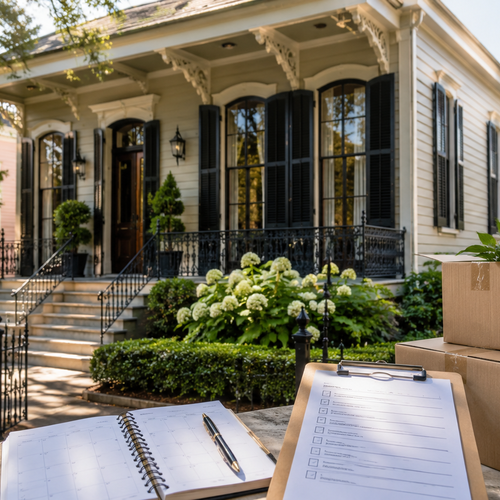


A charming shotgun with original millwork, a condominium near the streetcar line, or a duplex that helps offset your monthly payment can all be possibilities with an FHA loan. If you are asking, “can you buy with FHA financing?” the short answer is yes - provided the home, your occupancy plans, and your finances meet FHA requirements.
For New Orleans buyers, the details matter. Our housing stock is beautifully varied, but historic construction, insurance costs, flood considerations, and condominium approval rules can affect whether a particular property is a practical FHA purchase. The right financing can open doors, but it should also fit the home you want and the life you plan to build there.
What Can You Buy With FHA Financing?
FHA financing is designed primarily for buyers purchasing a primary residence. It is insured by the Federal Housing Administration and offered through approved lenders. Because the loan is government-insured, lenders may allow a lower down payment and more flexible credit qualifications than some conventional loan programs.
An FHA buyer can generally purchase a one- to four-unit residential property, as long as the buyer will occupy one unit as a primary home. That means a first-time buyer may be able to purchase a single-family home in Gentilly, a condominium in the Warehouse District, or a duplex in Mid-City while living in one side and renting the other. For a two- to four-unit property, the lender may consider projected rental income under specific guidelines, though the buyer must still qualify and meet the occupancy requirement.
FHA loans are not intended for a vacation home, a second residence, or a purely investment property. You cannot use standard FHA financing to buy a rental property that you will not occupy. This distinction matters in New Orleans, where a property may look attractive as a rental or pied-a-terre but may not fit the program’s owner-occupancy rules.
The property also must fall within the FHA loan limit for Orleans Parish or the parish where you are buying. Limits are updated periodically and vary by location and property size. A higher-priced home is not automatically out of reach, but the loan amount must stay within the applicable limit, and you will need to cover any difference through your down payment or choose another financing structure.
Property Types That May Qualify
A conventional home purchase with FHA financing is often straightforward when the property is in sound condition. Eligible options can include detached single-family homes, townhomes, approved condominiums, and manufactured homes that meet FHA standards.
Condominiums deserve special attention. The individual unit may be in excellent shape, yet the building or association may not qualify for FHA financing. Some condominium developments have FHA approval, while others may qualify through a lender’s review of the specific project. Association finances, insurance coverage, owner-occupancy levels, pending litigation, and commercial space within the building can all affect eligibility.
For buyers considering a New Orleans condo, it is wise to confirm financing eligibility before becoming emotionally attached to a particular unit. The right building can be an excellent FHA opportunity. The wrong approval status can limit your lending options or require a different loan program.
A property with a legal accessory unit or a duplex can also be appealing, particularly for buyers who want flexibility. However, every unit must be safe, habitable, and compliant with the appraisal and lending requirements. A converted garage, detached guest house, or older rear unit may require careful review of permits, condition, and highest-and-best-use considerations.
Historic Homes Can Work, but Condition Counts
New Orleans buyers are often drawn to homes with architectural character: raised cottages, Creole cottages, shotguns, and properties with generations of history. FHA does not exclude historic homes simply because they are old. It does, however, require the home to meet minimum property standards intended to protect the buyer and the lender.
The FHA appraisal is not the same as a detailed home inspection. The appraiser establishes value and identifies readily observable health, safety, security, and structural concerns. Peeling paint in a pre-1978 home, exposed wiring, roof issues, damaged stairs or handrails, nonfunctioning utilities, moisture damage, or significant wood-destroying insect concerns can create repair requirements.
This is where a historic property can become more nuanced. A home may have enormous charm and strong long-term potential, yet deferred maintenance could delay closing or make standard FHA financing less practical. Sellers may agree to complete required repairs, buyers may negotiate a solution, or the property may be a better fit for another financing option. The answer depends on the repair scope, timing, and each party’s goals.
What FHA Buyers Need to Bring to the Table
The familiar FHA down payment figure is 3.5% for borrowers who meet the required credit threshold. Buyers with lower qualifying credit scores may need a larger down payment, and lender standards can be more restrictive than the minimum FHA rules. A preapproval should account for more than your credit score. Your income, debts, cash reserves, employment history, and the property’s estimated taxes and insurance all shape the final answer.
Down payment is only one part of the cash-to-close conversation. Buyers should also plan for closing costs, prepaid insurance and taxes, inspections, appraisal fees, and moving expenses. FHA permits seller concessions toward allowable buyer closing costs, subject to program limits. In a balanced or buyer-friendly negotiation, this can make a meaningful difference. In a competitive situation, however, a seller may compare the strength and simplicity of multiple offers rather than focus only on price.
Mortgage insurance is another trade-off. FHA loans include an upfront mortgage insurance premium and an annual premium paid through the monthly mortgage payment. The lower down payment can make buying sooner possible, but ongoing mortgage insurance affects your monthly housing cost. Some buyers later refinance into conventional financing if their equity, credit profile, and market conditions make that worthwhile.
New Orleans Costs That Can Change the Equation
A lender qualifies you based on the full monthly housing payment, not just principal and interest. In the New Orleans area, homeowners insurance, flood insurance where required, property taxes, and condo association dues can materially affect affordability.
Flood zone status does not mean a home is unbuyable, and it does not automatically prevent FHA financing. It does mean you should obtain realistic insurance information early. If a lender requires flood insurance, that premium becomes part of the monthly calculation. The same is true for wind and homeowners insurance, especially for older homes or buildings with particular roof, electrical, or construction characteristics.
For condos, ask early about the monthly association fee and what it covers. A fee that includes master insurance, water, exterior maintenance, or amenities may be reasonable for the building, but it still affects your qualifying payment and monthly comfort level. A thoughtful buying strategy considers the total cost of ownership, not just the list price.
When an FHA 203(k) Loan May Be Worth Considering
If you find a home with strong bones but meaningful repair needs, an FHA 203(k) renovation loan may offer a path forward. This program combines the purchase and eligible renovation costs into one mortgage. It can be useful for a property needing systems updates, kitchen or bath improvements, roof work, or other approved repairs.
That said, a 203(k) loan is more involved than a typical purchase. Contractor bids, renovation planning, lender procedures, inspections, and timelines require greater coordination. It can be a smart solution for the right buyer and property, but it is not usually the best fit for someone who needs a fast, low-complexity closing. In a market where turnkey homes attract strong attention, the ability to see value in a home that needs work can be an advantage - provided you have the patience and team to execute well.
How to Shop Smart With FHA Financing
Start with a lender preapproval that reflects your actual comfort level, not simply the maximum amount you could borrow. Then share your financing type and target payment with your real estate agent before touring extensively. That allows the search to account for property condition, condo eligibility, insurance exposure, and likely repairs from the beginning.
Before making an offer, ask practical questions about the roof age, electrical systems, flood insurance, prior termite treatment, condo association documents, and any visible deferred maintenance. These questions do not replace inspections, but they help identify whether an FHA appraisal may raise concerns.
If a property was recently renovated and resold, confirm the timing of the seller’s acquisition. FHA has restrictions that can affect financing on homes resold within 90 days of the seller’s purchase. A knowledgeable lender and agent can identify that issue before it becomes a last-minute surprise.
FHA financing can be a confident way into homeownership, not a lesser version of buying. The strongest next step is to pair clear lending guidance with property-specific local advice, so the home you choose feels as sound financially as it does when you walk through the front door.
Frequently Asked Questions About What You Can Buy With an FHA Loan in New Orleans
What types of homes can I buy with an FHA loan in New Orleans?
An FHA loan can be used to purchase many common New Orleans property types, including single-family homes, townhomes, eligible condominiums, doubles, triplexes and fourplexes. FHA financing is generally available for residential properties containing one to four units, provided the buyer meets the occupancy and underwriting requirements.
Can I buy a New Orleans double with an FHA loan?
Yes. A double or duplex can be purchased with an FHA loan as long as you plan to live in one of the units as your primary residence. You may rent the other unit, and qualifying rental income may help you obtain financing, subject to the lender’s underwriting requirements. This strategy is commonly known as house hacking.
Can I buy a triplex or fourplex with FHA financing?
Yes. FHA loans may finance properties with up to four residential units. You must occupy one unit as your primary residence rather than purchasing the property solely as an investment. Triplexes and fourplexes may also be subject to additional underwriting requirements concerning rental income and the property’s ability to support its expenses.
Can I buy a condo with an FHA loan in New Orleans?
Yes, but the condominium must meet FHA eligibility requirements. Some units are located in fully FHA-approved condominium developments, while others may qualify through FHA’s Single-Unit Approval process. The condominium association’s finances, insurance, owner-occupancy levels and other project characteristics may be reviewed before the loan is approved.
Can I buy a historic New Orleans home with an FHA loan?
Yes. Historic homes, including shotgun houses, Creole cottages and other older New Orleans properties, may qualify for FHA financing. However, the property must meet FHA appraisal and minimum property requirements related to safety, security and structural soundness.
Minor cosmetic imperfections will not necessarily prevent approval, but serious roofing, electrical, plumbing, foundation or safety problems may need to be repaired before closing.
Can I buy a fixer-upper with an FHA loan?
A standard FHA loan may not work when a property requires substantial repairs. However, an FHA 203(k) renovation loan can combine the purchase price and eligible renovation costs into one mortgage. The program may be used for single-family homes, two- to four-unit properties, townhomes, eligible condos and certain mixed-use properties.
Can I use an FHA 203(k) loan to renovate an older New Orleans property?
Yes. An FHA 203(k) loan may help finance improvements such as electrical repairs, plumbing upgrades, air-conditioning replacement, structural repairs, roofing work, remodeling and certain additions. This can be especially useful when purchasing an older New Orleans home that may not qualify for standard FHA financing in its current condition.
Can I buy a mixed-use property with an FHA loan?
Potentially. A mixed-use property may qualify when it is primarily residential and meets FHA requirements. For FHA 203(k) financing, HUD identifies eligible mixed-use properties as those that are at least 51% residential. A lender must also determine that the commercial space does not negatively affect the property’s residential use or marketability.
Can I buy a short-term rental or investment property with an FHA loan?
FHA financing is generally intended for a primary residence, not an investment-only property, vacation home or full-time short-term rental. You may purchase a two- to four-unit property, live in one unit and rent the remaining units, but you must genuinely intend to occupy the property as your principal residence.
Can I buy a newly constructed home with an FHA loan?
Yes. FHA financing may be used to purchase an eligible newly constructed home, provided the builder, property, appraisal and documentation satisfy FHA and lender requirements.
Can I buy a manufactured home with an FHA loan?
Certain manufactured homes may qualify for FHA financing. Eligibility depends on factors such as the home’s construction standards, foundation, title status, installation and whether it is considered real property. FHA also offers a separate Title I program that may finance a manufactured home, a manufactured-home lot or both.
How much can I borrow with an FHA loan in New Orleans?
For 2026, the FHA loan limits listed for Orleans Parish are:
- One-unit property: $541,287
- Two-unit property: $693,050
- Three-unit property: $837,700
- Four-unit property: $1,041,125
These figures represent maximum FHA base loan amounts—not necessarily maximum purchase prices—and qualification still depends on income, debt, credit, property appraisal and lender requirements. FHA limits are updated annually and vary according to county and number of units.
Do I have to be a first-time homebuyer to use an FHA loan?
No. FHA loans are not limited to first-time homebuyers. Repeat buyers may qualify as long as they meet FHA and lender requirements and intend to use the property as their primary residence.
How much is the FHA down payment?
Qualified buyers may be able to purchase an eligible one- to four-unit property with a down payment as low as 3.5%. The actual down payment, interest rate and approval terms depend on the borrower’s credit profile and the lender’s underwriting standards.
What is the best FHA property to buy in New Orleans?
The best property depends on your goals. A single-family home may offer privacy and simplicity, while a double, triplex or fourplex may allow you to generate rental income while living in one unit. Buyers interested in condos should verify FHA eligibility early, and buyers considering older or distressed homes should ask about FHA 203(k) renovation financing.
Before making an offer, speak with an FHA-approved lender and a New Orleans real estate professional who understands local property conditions, condo requirements, flood insurance and multi-unit financing. Contact Us Today
Check out this article next