

A home can photograph beautifully at 10 a.m. and look completely different by 6 p.m. when backpacks, pet bowls, dinner prep, and real life return. That tension is why the best selling occupied home tips are not about pretending no one lives there. They are about creating a clear, repeatable plan that lets buyers see the property’s value while protecting your time, privacy, and routine.
For New Orleans sellers, the challenge can be especially nuanced. A historic home may have distinctive millwork, a courtyard, or an unusual floor plan that needs thoughtful presentation. A condo may have building access rules, elevator reservations, and concierge procedures. With the right strategy, an occupied home can still feel polished, welcoming, and market-ready.
Start With a Showing Plan Everyone Can Keep
The most effective listing plan is one your household can actually follow for several weeks. Before the home goes live, decide who receives showing alerts, how much notice is required, where pets will go, and which spaces must be ready every day. A plan that requires a two-hour reset before every appointment may work for one seller but not for a family with young children or demanding work schedules.
Discuss showing boundaries with your agent before marketing begins. Many occupied sellers are comfortable with appointments during specified windows, while others prefer broader availability with reasonable notice. More access generally creates more opportunities, but there is a real trade-off: a rigid schedule can reduce buyer traffic, while an overly open schedule can make daily life exhausting. The goal is not maximum inconvenience. It is enough access to give qualified buyers a fair opportunity to see the home.
For vacant periods, such as a work trip or weekend away, consider allowing a wider showing window. Those are useful opportunities for buyers who need extra time, second visits, or a contractor consultation.
Selling Occupied Home Tips That Make Daily Resets Easier
Staging an occupied home is less about buying new furniture and more about reducing visual noise. Buyers need room to notice ceiling height, natural light, storage, architectural detail, and flow. When every surface is carrying the weight of daily life, those features can get lost.
Create a short pre-showing routine that can be completed in 15 to 20 minutes. Put it in writing so everyone in the household knows what happens when an appointment is confirmed. The routine should include making beds, clearing kitchen and bathroom counters, putting away pet items, emptying trash if needed, and turning on lights. Keep a few baskets or lidded bins in closets, under beds, or in the car for last-minute items. The point is not to hide problems. It is to remove distractions without creating panic.
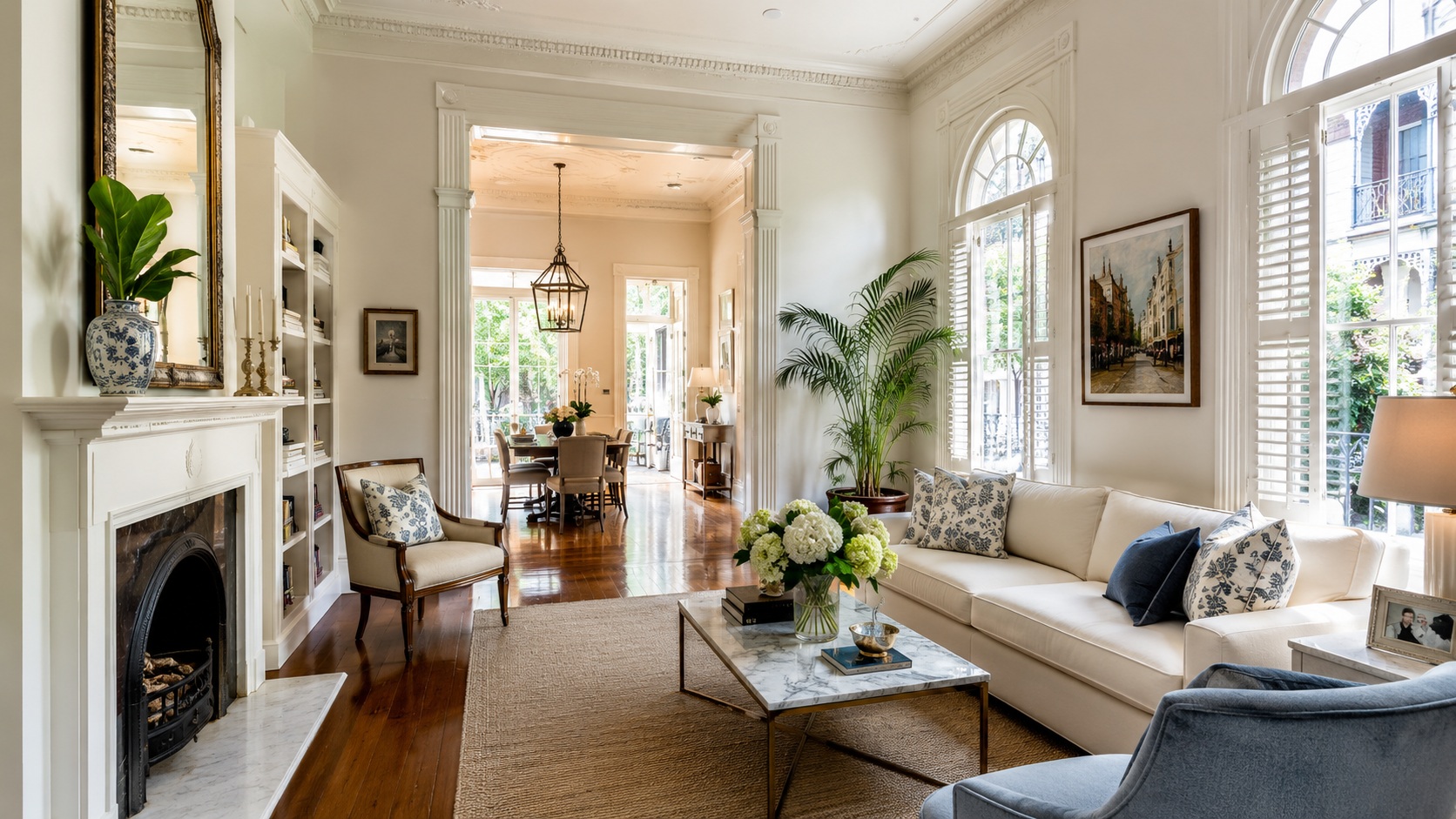
A few focused changes usually deliver more value than a full redesign. Edit oversized furniture that makes rooms feel smaller, store excess seasonal items, and remove highly personal collections. In a classic New Orleans residence, this may mean letting original fireplaces, tall windows, plaster medallions, or gallery doors take visual priority. In a contemporary condo, it may mean emphasizing views, clean sightlines, and usable square footage.
Do not overcorrect by making the home sterile. A restrained arrangement of fresh flowers, neatly folded towels, and a thoughtfully set dining table can make the space feel cared for. Buyers should be able to picture their lives there, not wonder whether anyone has ever lived there.
Protect Privacy Without Making Buyers Uneasy
Selling while occupied requires a practical privacy strategy. Put prescription medications, financial papers, spare keys, jewelry, firearms, and small valuables away before the first showing. Locking these items in a secure cabinet or taking them off-site is prudent. It also prevents rushed decisions when an appointment comes in unexpectedly.
Personal documents deserve special attention. Mail on a desk, children’s schedules on the refrigerator, work screens, and framed credentials can reveal more than sellers intend. A quick scan of bedrooms, offices, and kitchen surfaces should be part of the pre-showing routine.
Cameras and smart-home devices require care as well. Security systems can remain active, but buyers should not feel they are being monitored in private conversations. Follow applicable laws and disclose recording devices as appropriate. Avoid audio recording during showings, and ask your agent how local practices and regulations apply to your property.
It is also wise to leave during showings whenever possible. Buyers tend to stay longer and speak more honestly when owners are not present. Even well-meaning sellers can accidentally answer a question in a way that introduces uncertainty, reveals negotiating priorities, or shifts attention away from the home. Your agent is there to represent your interests and present the property with context.
Make Access Easy, but Thoughtful
In a competitive market, convenience matters. A buyer who cannot see a property when they are available may move on to the next option. Professional photography, video, and accurate property details can encourage interest, but they do not replace an in-person visit.
That said, easy access should never mean loose access. Use a professionally managed appointment process, confirm showings in advance, and establish clear instructions for entry, parking, gates, alarms, and pets. New Orleans homes often have details that are not obvious to a first-time visitor: a side entrance behind a gate, limited street parking, a shared driveway, or a courtyard door that sticks in humid weather. Clear directions prevent a frustrating arrival and help the showing begin on the right note.
For condominiums, coordinate early with the building management team. Confirm visitor procedures, approved showing hours, parking rules, move-in or move-out policies, and any required registration. If amenities are a selling point, make sure buyers can understand how they are accessed and maintained. A strong listing experience accounts for the building, not just the unit.
Address Odors, Pets, and Everyday Evidence of Living
Buyers notice scent quickly, particularly in older homes where moisture, cooking, or pet odors can linger. A pleasant but heavy fragrance is not the answer. It can suggest that something is being covered up. Instead, clean soft furnishings, wash pet bedding, empty litter boxes before showings, and address underlying moisture or ventilation concerns.
New Orleans humidity makes this especially worthwhile. If a room feels damp or has a persistent musty smell, investigate before listing rather than hoping buyers will overlook it. The solution might be as simple as servicing an HVAC system, improving drainage, using a dehumidifier, or repairing a minor leak. If the issue is more significant, your agent can help you consider the right disclosure and repair strategy.
Pets need a plan beyond a quick walk around the block. Some animals become stressed by unfamiliar visitors, while others may create a safety concern. Whenever possible, take pets with you or arrange care during showings. If that is not feasible, clearly communicate where the pet will be and whether entry to a particular area is restricted.
Price and Presentation Must Work Together
An occupied home does not need to be perfect to sell well. It does, however, need to be priced and marketed with an honest understanding of its condition and competition. If the home has a lived-in feel, limited showing hours, or projects buyers will need to address, those factors belong in the pricing conversation.
A polished marketing plan can highlight the property’s strongest features, but it cannot overcome a price that ignores the alternatives buyers can tour the same weekend. Your agent should evaluate recent comparable sales, active competition, neighborhood demand, property condition, and the details that carry particular weight in New Orleans, from off-street parking and flood considerations to historic character and walkability.
Sellers sometimes delay listing because they are waiting for a calm month that never arrives. If the market timing is right and the home is fundamentally ready, a disciplined occupied-home plan is often more valuable than waiting for a perfect schedule. Raymond Real Estate can help structure that plan around your household, your property, and the expectations of buyers in your specific neighborhood.
When a showing request arrives, remember what it represents: someone has chosen to make time for your home. A clear routine, thoughtful boundaries, and confident representation let you welcome that opportunity without putting your entire life on hold. Learn More
Frequently Asked Questions About Selling an Occupied Home in New Orleans
Can I sell my New Orleans home while I’m still living in it?
Yes. Many New Orleans homeowners list and sell their property while continuing to live there. The key is preparing the home for showings, keeping it consistently presentable, and establishing a showing schedule that works for both you and prospective buyers.
How do I prepare an occupied home for showings?
Start by decluttering, deep cleaning, and removing excess furniture or personal items. Buyers should be able to focus on the home’s layout, architectural details, and overall condition rather than your belongings. In New Orleans homes, highlighting features such as hardwood floors, high ceilings, fireplaces, porches, balconies, courtyards, and original architectural details can make a strong impression.
Should I remove personal photos before listing my home?
You do not need to remove every personal item, but reducing family photos and highly personalized décor can help buyers imagine themselves living in the property. A clean, neutral presentation generally photographs and shows better.
How clean does my house need to be while it is listed?
Ideally, it should remain close to showing-ready condition throughout the listing period. Kitchens and bathrooms deserve particular attention, and floors, countertops, windows, and outdoor areas should be kept clean. In New Orleans, buyers may also pay close attention to moisture, odors, HVAC performance, and signs of deferred maintenance.
How much notice should I require for showings?
Many occupied sellers request advance notice, such as a few hours or 24 hours. However, overly restrictive showing requirements can reduce buyer traffic. Your real estate agent can help establish reasonable showing instructions that protect your schedule without making the property difficult to see.
What should I do with pets during showings?
Whenever possible, pets should be removed from the property or safely secured. Even friendly pets can distract buyers, create allergy concerns, or make some visitors uncomfortable. Pet bowls, toys, litter boxes, and other items should also be kept tidy and minimized before showings.
Should I leave the house during a buyer showing?
Yes. Buyers are generally more comfortable taking their time, discussing the property, and asking questions when the seller is not present. Giving buyers privacy can result in a more productive showing.
What should I do with valuables and important documents?
Secure jewelry, prescription medications, financial paperwork, identification documents, firearms, collectibles, and other valuables before showings begin. Even when buyers are accompanied by real estate professionals, valuable and sensitive items should never be left easily accessible.
How can I make an occupied New Orleans home photograph better?
Remove clutter from countertops, organize closets, open curtains and blinds, replace burned-out bulbs, make beds, and minimize visible cords and personal items. Professional photography is particularly important because your online presentation often determines whether buyers schedule an in-person showing.
Should I put some of my furniture in storage?
It can be worthwhile if the home feels crowded. Removing oversized or unnecessary furniture can make rooms appear larger and improve traffic flow. This can be especially helpful in shotgun homes, condos, doubles, and older New Orleans properties where room proportions and layouts may be unique.
What should I do about closets and storage areas?
Expect buyers to look inside them. Overfilled closets can make a home appear short on storage. Packing seasonal clothing and unnecessary belongings before listing can make closets, cabinets, and storage spaces appear larger and more functional.
Are odors a major concern when selling an occupied home?
Yes. Cooking odors, cigarette smoke, pets, mildew, and strong fragrances can negatively affect a buyer's first impression. Rather than masking odors with heavy air fresheners, identify and correct the source whenever possible.
How should I handle work-from-home schedules during showings?
Create designated showing windows with your agent whenever possible. If you work remotely, consider using a coworking space, coffee shop, office, or another location during concentrated showing periods, particularly during the first several days after your home hits the market.
Should I make repairs before listing an occupied home?
Minor repairs can make a significant difference. Address dripping faucets, damaged paint, loose hardware, burned-out lights, damaged screens, and other obvious maintenance issues. Larger repairs should be evaluated strategically with your real estate agent based on the home's condition, expected buyer pool, and likely return on investment.
What New Orleans-specific issues should sellers address before listing?
Buyers may ask about the roof, HVAC system, termite history, flood zone, flood insurance, homeowners insurance, foundation, drainage, plumbing, electrical systems, and previous storm damage. Having documentation available for major improvements, repairs, insurance claims, and renovations can make the selling process smoother.
How do I keep my occupied home ready for last-minute showings?
Develop a simple daily routine: make the beds, clear kitchen counters, empty trash, put away laundry, straighten bathrooms, open blinds, and keep floors clean. Having a designated basket or storage bin for quickly removing everyday clutter can make unexpected showing requests much easier.
Is it harder to sell an occupied home than a vacant home?
Not necessarily. A well-maintained occupied home can feel warm and inviting and help buyers understand how the space functions. The challenge is maintaining a polished presentation and making the property reasonably accessible throughout the listing period.
What is the biggest mistake sellers make when living in a home that is for sale?
Making the property difficult to show. Buyers often have limited schedules, particularly when relocating or touring multiple New Orleans properties in one day. The easier your home is to access and the better it presents, the greater your opportunity to generate strong buyer interest.
What is the best strategy for selling an occupied home in New Orleans?
Prepare aggressively before the listing goes live, use professional photography, establish practical showing procedures, keep the property consistently clean, and make it as easy as possible for serious buyers to tour. A strong launch combined with good presentation can help minimize the amount of time you have to live through the showing process.
Check out this article next