

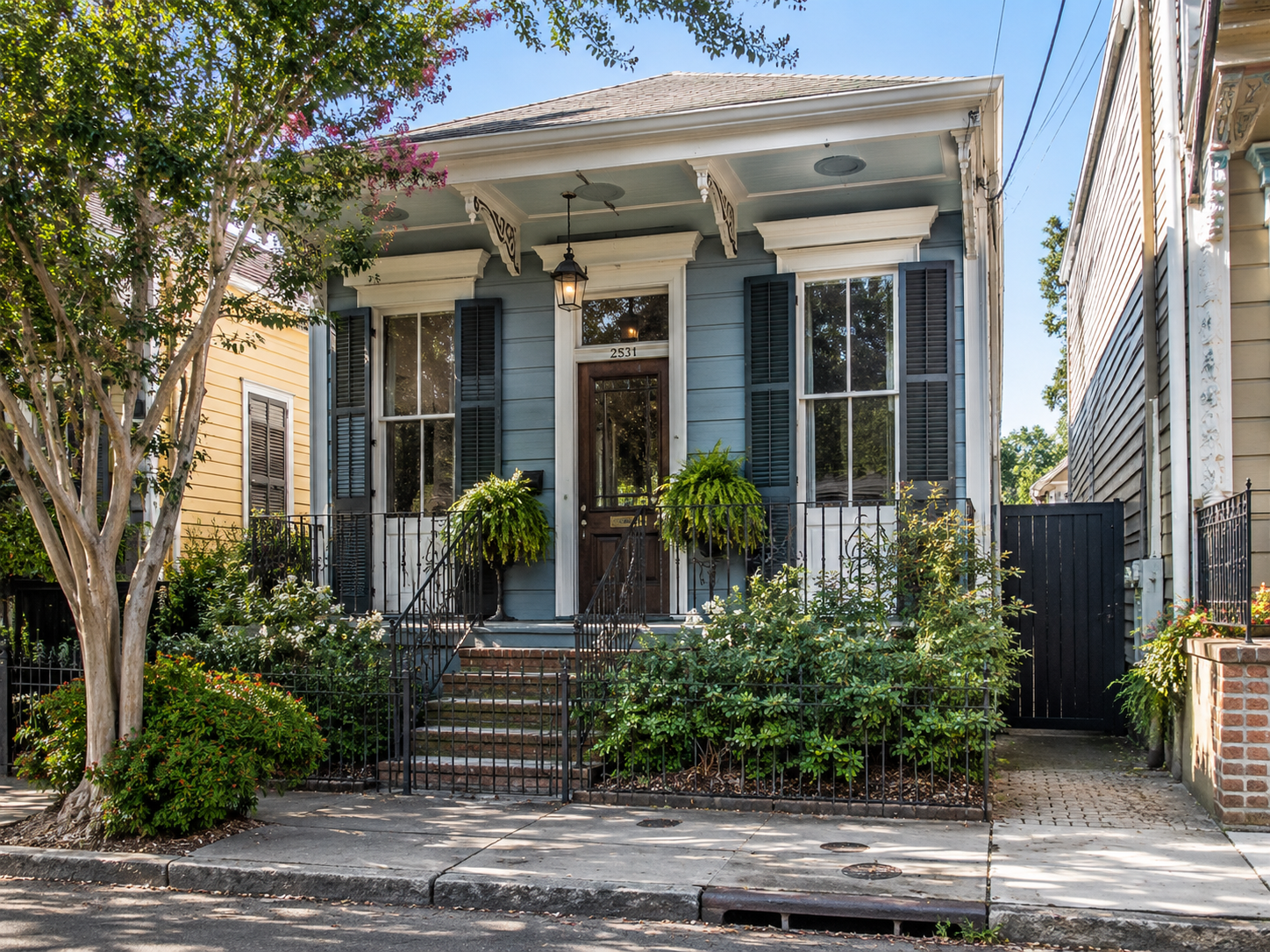
The moment you start thinking, “I need to sell my house,” the questions come fast. What is it worth right now? Should I make updates first? Is this the right season to list? In New Orleans, those questions matter even more because no two homes - or neighborhoods - behave quite the same in the market.
Selling here is rarely a one-size-fits-all process. A condo in the Warehouse District, a historic home in Uptown, and a renovated cottage in Mid-City may all attract different buyers, different pricing strategies, and different levels of preparation. The best results usually come from treating the sale as both a financial decision and a presentation decision.
What matters most when you sell my house is really the wrong question
Most sellers start by asking what they should do to sell fast or for top dollar. The stronger question is this: what will make the right buyer feel confident enough to act? That shift changes everything.
Buyers are comparing condition, location, price, and risk. If your home feels overpriced, poorly presented, or uncertain in its maintenance story, they hesitate. If it feels well-positioned, well-marketed, and thoughtfully prepared, they move more decisively. A successful sale is not just about exposure. It is about reducing friction.
In New Orleans, friction can take many forms. It may be insurance concerns, the condition of an older roof, flood zone questions, parking limitations, condo association details, or the quirks that come with historic properties. None of these issues automatically stop a sale. But they do shape buyer confidence, which directly affects offers.
Price strategy sets the tone
If you want to sell your house well, pricing is the first major lever. Many sellers assume pricing high gives them room to negotiate. Sometimes it does. More often, it narrows the buyer pool in the crucial first days on market.
The earliest listing period tends to generate the strongest attention. Buyers who have been waiting for a home like yours notice it right away. If the price feels disconnected from the neighborhood, condition, or recent comparable sales, that initial momentum can fade quickly. Once a property sits, buyers begin to wonder what is wrong with it, even when the answer is simply that it started too high.
That does not mean the lowest price wins. It means the right price creates urgency. In neighborhoods with limited inventory or highly desirable architecture, pricing can lean assertive if the home presents beautifully and offers something difficult to find. In more competitive segments, precision matters more than optimism.
This is where local interpretation matters. Comparable sales are never just numbers on a sheet in New Orleans. Square footage, lot size, block-by-block desirability, off-street parking, elevation, renovations, and architectural character can shift value significantly.
The best list price is not always the number you hoped for
That can be difficult to hear, especially if you have invested heavily in the home. Some improvements add obvious market value. Others are more personal and may not return dollar for dollar. Custom finishes, highly specific design choices, or luxury upgrades in a modest price band may impress buyers without dramatically raising what they are willing to pay.
A thoughtful pricing conversation should balance the data with how your home will compete in the current market, not the market from six months ago.
Preparation is not about perfection
Sellers often swing between two extremes. Some want to list immediately without making changes. Others feel they need a near-total renovation before going live. Usually, the right answer is somewhere in the middle.
Preparation should focus on what improves first impressions and removes buyer objections. Fresh paint, lighting updates, landscape cleanup, hardware replacement, and careful staging often do more for market appeal than expensive projects with long timelines. Cleanliness matters. So does visual consistency.
For older New Orleans homes, preparation should also respect character. Buyers drawn to historic properties usually want original details, but they also want confidence that the home has been maintained. That means deferred maintenance stands out. Peeling paint, worn trim, damaged flooring, and aging fixtures can make buyers wonder what else has been overlooked.
Should you renovate before you sell your house?
It depends on the home, the price point, and the buyer audience. If the kitchen is clearly limiting your ability to compete, a targeted improvement may make sense. If the home is attractive but dated, it may be smarter to price for condition and let the next owner personalize it.
The key is to avoid spending money where the return is uncertain. Sellers are usually better served by strategic preparation than by emotional over-improvement.
Marketing should do more than announce the listing
When people say they want to sell fast and well, they are often really talking about quality marketing. Not just getting the property online, but presenting it in a way that makes buyers feel they are seeing something worth pursuing.
That starts with photography, but it does not end there. The strongest listing campaigns create a clear story about the home. Why this block? Why this building? Why this floor plan? Why now? In a market like New Orleans, story matters because lifestyle matters. Buyers are not just purchasing bedrooms and bathrooms. They are buying neighborhood rhythm, architecture, walkability, convenience, and identity.
A polished marketing approach should also match the property. A luxury condo, a classic Garden District residence, and a first-time-buyer home should not all be positioned the same way. The audience differs, and the presentation should reflect that.
This is one reason many sellers choose a brokerage with a concierge-style approach. Details that feel small in the beginning often shape the final outcome, from pre-listing guidance to showing coordination to negotiation posture once offers begin to surface.
Timing matters, but not as much as readiness
There is no single perfect week to list every home. Seasonal trends exist, but buyer demand moves for many reasons - job changes, school calendars, interest rates, relocation schedules, and neighborhood-specific inventory shortages among them.
In practical terms, the best time to list is when your home is properly prepared, accurately priced, and professionally positioned. A rushed listing in a theoretically strong market can underperform. A well-executed listing in a less obvious window can still attract serious buyers.
For New Orleans sellers, timing may also intersect with weather, holidays, festivals, and insurance conversations. Those realities do not mean you should wait indefinitely. They simply mean your strategy should reflect actual market conditions rather than generic advice.
Offers are about more than price
When the offers come in, the highest number is not always the strongest choice. Financing terms, inspection expectations, contingencies, closing timeline, and buyer stability all matter.
A slightly lower offer from a well-qualified buyer with fewer contingencies may be better than a higher offer likely to unravel. That is especially true if your goals include certainty, timing control, or a smooth path to closing.
Negotiation is where preparation pays off again. If the home has been priced well, presented well, and documented clearly, sellers typically negotiate from a stronger position. If buyers feel they are stepping into uncertainty, they ask for more concessions.
Inspections can reshape the conversation
This is particularly true for older homes and condos. Inspection findings do not necessarily derail a sale, but they often become a second negotiation. Sellers who have addressed known issues up front or prepared for likely questions tend to stay in better control of the process.
Clear expectations make a difference. So does a calm, informed response.
Selling in New Orleans requires local judgment
Real estate advice gets oversimplified quickly online. Paint the walls. Bake cookies. List on Thursday. Those tips are harmless, but they are not strategy.
New Orleans is a city of nuance. Historic districts, flood zones, insurance variables, mixed architecture, condominium bylaws, and highly localized buyer preferences all shape how a property should be sold. A home in Lakeview may require a different conversation than a French Quarter condo or an Uptown classic with original details.
That is why local market fluency is not a luxury. It is part of protecting your price, your time, and your peace of mind. At Raymond Real Estate, that means helping sellers understand not only what their home could sell for, but what it will take to position it with confidence.
If you are thinking about how to sell my house and where to begin, start with the part that matters most: an honest evaluation of your home, your goals, and the buyer most likely to say yes. The strongest sale is rarely the one rushed to market. It is the one prepared with care, presented with clarity, and guided by people who know exactly how this city moves. Learn More
Check out this article next