

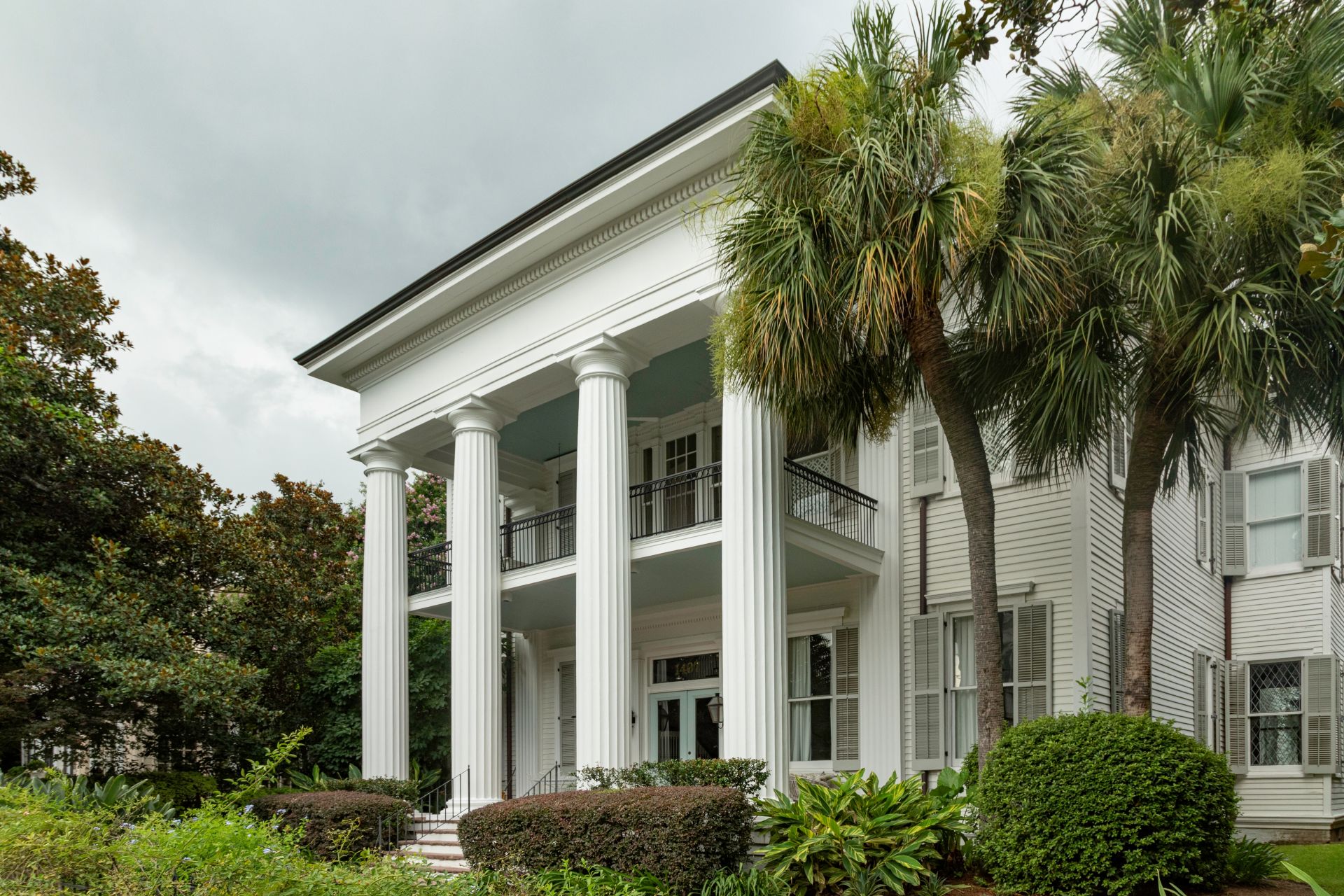
A Creole townhouse with original ironwork in the French Quarter. A Garden District estate with deep porches and century-old oak trees. A sleek penthouse overlooking the riverfront. When buyers start looking at new orleans luxury homes for sale, they are not shopping one style or one lifestyle. They are choosing among some of the most distinctive residential opportunities in the country, and that makes local guidance more than helpful - it is essential.
Luxury in New Orleans is not defined by square footage alone. It is shaped by architecture, location, condition, privacy, parking, flood risk, and the kind of daily life a property supports. The right home may be a historic residence with irreplaceable details, or it may be a newer construction built for low-maintenance living and modern systems. Both can be exceptional. The key is understanding what truly holds value in this market.
What defines New Orleans luxury homes for sale
In many cities, luxury can feel formulaic. In New Orleans, it is far more layered. Price matters, of course, but so do character, neighborhood identity, and the rarity of the property itself.
A luxury home here may offer grand entertaining rooms, gated parking, guest quarters, a pool, or a professionally designed outdoor space. It may also carry intangible value through architectural pedigree, historic provenance, and a location on one of the city’s most admired blocks. A beautifully renovated Uptown home can compete with a newer condo in the Warehouse District for entirely different reasons. One offers scale and tradition. The other offers convenience, amenities, and lock-and-leave ease.
For buyers, that means the first question is not simply budget. It is how you want to live. Do you want to walk to restaurants and galleries, host large gatherings, maintain a garden, or minimize upkeep? Luxury should support your routine, not complicate it.
The neighborhoods that shape the high-end market
The luxury market in New Orleans is highly neighborhood-driven. Two homes with similar finishes can perform very differently based on block, setting, and surrounding inventory.
Garden District and Uptown
These areas remain perennial favorites for buyers seeking classic New Orleans elegance. Large homes, mature landscaping, and architectural distinction define the market here. Many properties feature historic details such as plaster medallions, soaring ceilings, pocket doors, and wide galleries.
The trade-off is that older homes often come with older-home realities. Even beautifully updated residences may require more ongoing attention than newer construction. Buyers who love the authenticity usually find that worthwhile, but it should be part of the decision.
French Quarter and Marigny
For buyers drawn to culture, walkability, and historic atmosphere, these neighborhoods offer some of the city’s most unique luxury opportunities. Private courtyards, exposed brick, and balconies overlooking storied streets create a living experience that is hard to replicate anywhere else.
That said, the lifestyle is specific. Parking can be limited, tourism may affect noise levels, and each building carries its own preservation considerations. The right fit often comes down to whether the romance of the location aligns with your day-to-day needs.
Warehouse District and CBD
High-end condominiums and modern residences appeal to buyers who prioritize convenience, security, and a more turnkey ownership experience. This segment often attracts professionals, second-home buyers, and those who want amenities such as concierge service, fitness centers, private terraces, and reserved parking.
Luxury condos can offer exceptional ease, but monthly association dues and building policies should be evaluated carefully. A well-run building can protect value. A poorly managed one can create friction quickly.
Lakeview and select Metairie-adjacent areas
For buyers who want newer construction, more lot space, and a more residential feel, these markets deserve attention. Luxury here often looks different from historic-core New Orleans. Think expansive kitchens, generous primary suites, attached garages, and floor plans designed around modern family life.
This is often where buyers find a practical version of luxury - less about old-world detail and more about comfort, efficiency, and livability.
What buyers should watch beyond the finishes
High-end finishes photograph well, but serious buyers look deeper. In New Orleans, luxury purchasing requires a disciplined review of both aesthetics and infrastructure.
Start with the quality of renovations. A home that looks polished online may still have outdated systems, deferred maintenance, or renovations that favored appearance over substance. Roofing, HVAC, elevation, drainage, windows, foundation condition, and flood insurance exposure matter. So does the permitting history when major work has been completed.
Historic homes deserve especially careful evaluation. Their appeal is undeniable, but craftsmanship from another era can coexist with modern upgrade needs. That is not necessarily a drawback. In fact, many buyers value homes that have been thoughtfully preserved rather than over-modernized. The point is to understand what you are buying clearly and confidently.
Privacy is another factor that often separates a good luxury home from a great one. In dense urban settings, features like gated access, off-street parking, landscaped courtyards, detached guest spaces, and well-placed outdoor living areas can materially improve both enjoyment and resale appeal.
Pricing in the luxury segment is not always linear
One of the biggest mistakes buyers make is assuming that pricing moves neatly based on size or bedroom count. In New Orleans, premium pricing is often driven by scarcity and context.
A smaller home on an iconic block may command more attention than a larger one in a less desirable location. A fully renovated property with strong design and parking may outperform a larger home that still needs system updates. A penthouse with protected views may justify a premium that looks aggressive on paper but makes complete sense in person.
This is why comparable sales in the luxury category require judgment, not just data. The market is too nuanced for a simplistic price-per-square-foot approach. Buyers who understand the why behind pricing are better positioned to act decisively when the right property appears.
How to buy well in a competitive market
The best luxury opportunities are not always the easiest to secure. Some attract immediate attention because they combine location, condition, and pricing in a way that feels rare. Others sit longer because they are ambitious in price, highly specific in style, or require a buyer with a particular vision.
A strong buying strategy starts before the showing. That means getting financial documentation in order, understanding your true comfort range, and identifying your non-negotiables early. In the luxury market, hesitation can cost you the right property, but speed without clarity can lead to expensive missteps.
It also helps to know where flexibility exists. Some buyers need perfect condition. Others are willing to renovate for the right address. Some want immediate walkability. Others prioritize lot size, privacy, or a newer build. The clearer your priorities, the more precisely your search can be tailored.
At Raymond Real Estate, buyers can begin narrowing options with a more neighborhood-specific view of the market, which is often where smart decisions start.
Why representation matters more at the top of the market
Luxury transactions often involve more nuance than standard home purchases. Inspection negotiations can be more complex. Appraisal gaps can emerge. Insurance questions can carry more weight. Historic status, condominium documents, and seller disclosure details may all require closer review.
The right representation brings structure to that complexity. It is not just about opening doors or sending listings. It is about knowing when a home is priced with conviction, when there may be room to negotiate, and when a property’s quirks are charming versus costly.
That level of guidance also matters emotionally. Buying at a higher price point should feel exciting, not chaotic. Clear communication, measured advice, and strong local knowledge can make the process feel composed from first tour to closing day.
Luxury means fit, not just price
Some buyers arrive expecting a single vision of luxury and leave with something entirely different. They thought they wanted grand formality and realized they wanted a low-maintenance condo with skyline views. Or they began focused on new construction and fell for the soul of a restored historic home.
That is part of what makes New Orleans such a compelling place to buy. The market offers personality in a category where many cities offer sameness. The smartest purchase is rarely the one that checks the most boxes on paper. It is the one that feels aligned with how you want to live, host, relax, and move through the city.
If you are considering New Orleans at the luxury level, take the time to look beyond finishes and headlines. The right home here does more than impress - it fits your life with confidence and gives you a place in one of America’s most unforgettable cities.
Check out this article next