

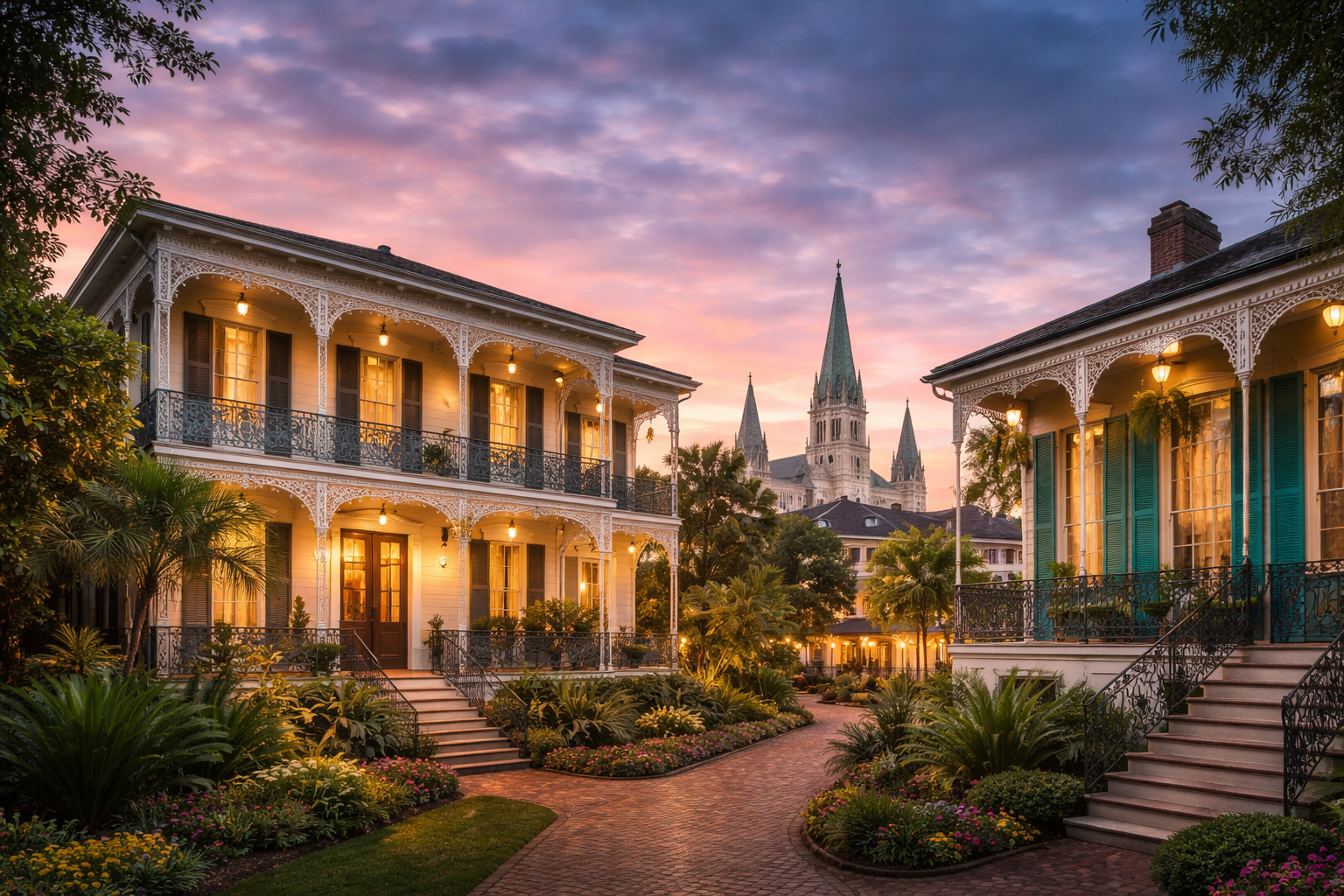
A wrought-iron balcony, heart pine floors, 12-foot ceilings, and a courtyard hidden behind a quiet gate - buying in New Orleans is rarely just about square footage. For many buyers searching historic homes for sale in New Orleans, the appeal is emotional as much as practical. These properties offer architecture, craftsmanship, and neighborhood character that newer construction simply cannot replicate.
That said, historic home shopping in this city calls for more than admiration. New Orleans real estate has layers - old construction methods, flood considerations, local preservation rules, and block-by-block differences that can shape both value and livability. A beautiful home can be a smart purchase, but only if you understand what you are buying.
Why historic homes for sale in New Orleans stand apart
New Orleans is one of the few American cities where historic housing is not a niche category. It is woven into daily life. Shotguns, Creole cottages, Greek Revival homes, Victorian residences, raised center-hall properties, and grand Uptown mansions all sit within active residential neighborhoods, often just minutes apart.
What makes these homes special is not only age. It is the level of detail. Old-growth wood, plaster medallions, original mantels, transom windows, and hand-built millwork create a sense of permanence that buyers feel the moment they walk in. In the right home, updates can coexist beautifully with original character.
But there is always a trade-off. Historic homes tend to offer more soul and less predictability. Floor plans may be narrower, closets smaller, and maintenance more involved. That does not make them less desirable. It simply means buyers need to approach the process with clear eyes and strong local guidance.
What buyers should evaluate before making an offer
The first question is not whether a home is charming. In New Orleans, many are. The better question is whether the home has been preserved or renovated in a way that supports long-term ownership.
Foundation and structure
In a city built on shifting soil and surrounded by water, settling is common. Some movement is expected in older homes, but not all movement is equal. Sloping floors, large cracks, sticking doors, or visible separations can point to issues that deserve close review. A historic property does not need to be perfect. It does need to be understood.
Roof, drainage, and moisture
Water is one of the biggest variables in any New Orleans purchase. Buyers should pay close attention to roof age, flashing, gutters, grading, and signs of past leaks. Moisture intrusion can affect everything from insulation to structural integrity. In older homes, deferred maintenance often shows up first in subtle water damage.
Electrical, plumbing, and HVAC
A beautifully restored facade does not always mean the systems behind the walls are current. Some historic homes have undergone full mechanical upgrades, while others have a mix of old and new. Knob-and-tube wiring, outdated panels, aging sewer lines, or undersized HVAC systems can affect insurance, comfort, and future costs.
Windows, insulation, and efficiency
Original windows are part of a historic home's appeal, but they can also affect utility bills and sound control. Sometimes restoration is the right path. Other times, interior storm solutions or selective upgrades make more sense. The answer depends on the property's condition, the buyer's goals, and any preservation limitations.
Neighborhoods where historic homes draw the most attention
Not every buyer wants the same version of historic New Orleans. Some want a formal home on a deep lot. Others want a renovated cottage near restaurants, parks, and downtown access. Location shapes the experience as much as the architecture.
French Quarter and Marigny
These neighborhoods appeal to buyers who want irreplaceable architecture and a distinctly urban lifestyle. Courtyards, balconies, Creole townhouses, and colorful facades define the streetscape. Inventory is limited, pricing can be high, and ownership often comes with tighter renovation considerations, but for the right buyer, there is nothing comparable. Explore the French Quarter
Garden District and Uptown
For buyers drawn to larger historic residences, mature trees, and a classic residential feel, Uptown and the Garden District remain standout options. Architectural pedigree is a major draw here. So are walkability, strong neighborhood identity, and access to schools, shopping, and the streetcar line. Explore Uptown
Irish Channel and Lower Garden District
These areas often attract buyers who want historic character with a slightly more flexible lifestyle mix. You will find cottages, shotguns, and renovated homes alongside newer commercial energy. Pricing can vary widely depending on block, condition, and proximity to key corridors. Explore the Garden District
Mid-City, Bayou St. John, and Esplanade Ridge
These neighborhoods appeal to buyers who want character, community feel, and somewhat more variety in price points and housing stock. Historic homes here range from modest to substantial, and buyers often appreciate the mix of local culture, green space, and accessibility. Explore Mid City
The real cost of owning a historic home
The purchase price is only part of the financial picture. Buyers considering historic homes for sale in New Orleans should think beyond the mortgage payment.
Insurance can be higher depending on age, condition, roof, claims history, and flood zone. Maintenance should also be approached realistically. Even well-kept homes require periodic attention, and specialized repairs can cost more than work on newer construction.
That does not mean historic ownership is financially unwise. In many cases, these homes hold strong long-term appeal because of scarcity, location, and architectural significance. The key is to budget for stewardship, not just acquisition.
Renovated versus untouched - which is better?
This depends on your priorities. A thoughtfully renovated historic home can offer the best of both worlds: preserved details with updated systems, improved kitchens and baths, and a more functional daily living experience. For many buyers, that balance is ideal.
An untouched or partially updated property may offer more room for personalization and, occasionally, a better entry point. But those opportunities come with more uncertainty. Renovation costs, permitting, contractor timelines, and historic district requirements can quickly change the equation.
The smartest approach is not to assume one category is better than the other. It is to compare each property based on condition, location, quality of updates, and what ownership will realistically require over the next five to ten years.
How to compete for the right home
Desirable historic homes in prime New Orleans neighborhoods can move quickly, especially when they combine authentic character with tasteful updates. Buyers who hesitate too long often lose the strongest opportunities.
Preparation matters. That means understanding your financing, knowing your comfort level on repairs, and being ready to evaluate a home beyond surface beauty. It also means working with an agent who can help you assess value in context. A historic cottage in one part of Uptown may deserve a very different pricing strategy than a similarly sized home in another neighborhood.
Strong representation is especially valuable when inspections begin. The goal is not to be alarmed by every issue that appears in an older home. The goal is to distinguish between manageable maintenance and meaningful risk, then negotiate from an informed position.
Why local expertise makes such a difference
Historic properties are deeply tied to neighborhood nuance. The same age, style, and square footage can carry very different implications depending on flood exposure, renovation quality, zoning context, and buyer demand on that specific block.
That is why a broad real estate search is only the starting point. A more refined strategy involves matching your budget, lifestyle, and tolerance for upkeep with the right pocket of the city. A buyer who wants polished historic luxury may need a different search than someone who values original details and plans to renovate over time.
For clients beginning that process, Raymond Real Estate offers a New Orleans-focused search experience through our VIP search, along with neighborhood insight that helps buyers move from inspiration to informed action.
Historic homes ask a little more of their owners, but they often give back more too. When you choose carefully, you are not just buying a residence. You are stepping into a piece of New Orleans that still has a story to tell.
Check out this article next