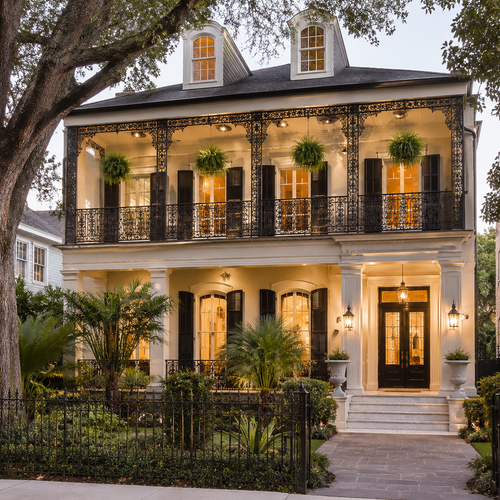

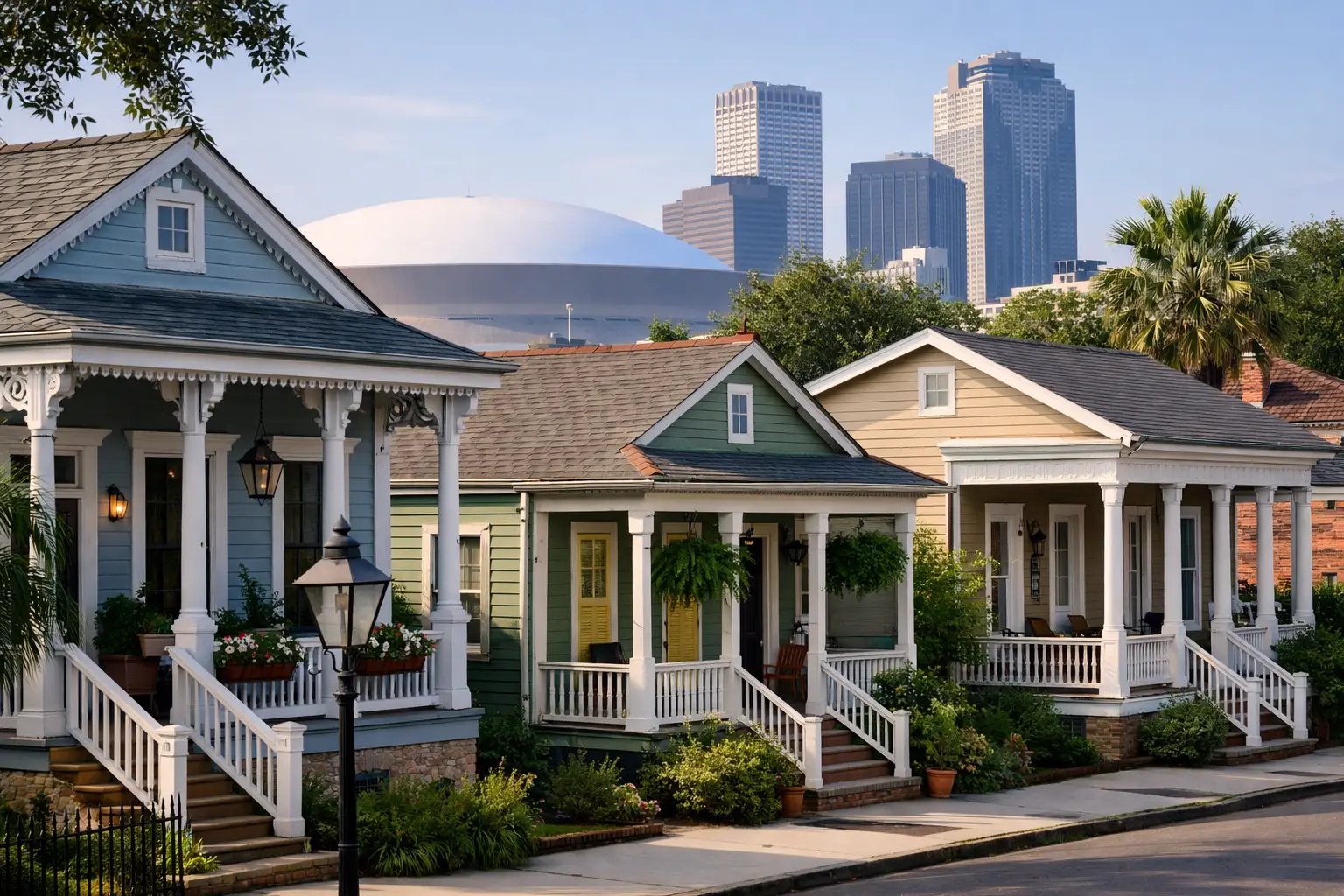
Sticker shock hits fast in New Orleans. A charming shotgun with original floors can steal your heart in ten minutes, then a roof quote or insurance estimate brings the conversation back to reality. For buyers searching for the best New Orleans starter homes, the right move is rarely about finding the cheapest property. It is about finding the home that gives you a manageable payment, a neighborhood that fits your life, and enough long-term value to make your first purchase a smart one.
That matters more here than in many other cities. New Orleans real estate is local in the truest sense. Two homes with similar square footage can feel entirely different on cost and livability based on flood zone, block-by-block condition, off-street parking, or whether the house needs old-home systems brought up to date. A strong starter home is not just attainable on paper. It needs to work in real life.
What makes the best New Orleans starter homes?
A starter home in New Orleans can take several forms. For some buyers, it is a condo in a walkable part of the city with lower exterior maintenance. For others, it is a smaller single-family home, a half double, or even a multi-family property where rental income helps offset the mortgage. The best choice depends on budget, lifestyle, and how much renovation risk you are comfortable taking on.
In this market, the best New Orleans starter homes tend to share a few traits. They are priced with monthly ownership costs in mind, not just list price. They are located in neighborhoods with consistent demand and solid resale potential. They also avoid the kind of deferred maintenance that can overwhelm a first-time buyer in the first year of ownership.
That does not mean every starter home should be turnkey. A home with cosmetic updates needed can be a very smart buy. But there is a difference between paint and fixtures versus foundation movement, aging plumbing, or major insurance complications. Knowing where to draw that line is one of the most valuable parts of expert guidance.
Neighborhoods where starter homes make sense
New Orleans buyers often begin with a price range, then realize neighborhood choice shapes almost everything else. Commute, parking, flood risk, rental demand, architecture, and future resale all start there.
Gentilly
Gentilly remains one of the most practical places for first-time buyers who want more space and a traditional residential feel. You can often find single-family homes with yards, driveways, and functional layouts that are harder to get closer to the urban core. Parts of Gentilly offer strong value for buyers who want room to grow without moving immediately into a high-maintenance historic property.
The trade-off is that not every section offers the same level of walkability or neighborhood consistency. Buyers should pay close attention to micro-location, elevation, and the condition of larger-ticket systems.
Algiers
Algiers gives many buyers a chance to access more house for the money while staying connected to the city. Depending on the specific pocket, you may find cottages, ranch homes, and renovated properties at prices that feel more approachable than similar homes on the East Bank. For buyers open to crossing the river, this can be one of the strongest value plays in the metro area.
The key question is lifestyle fit. If daily routines center on Uptown, Mid-City, or downtown, the commute may matter more than the price advantage.
Mid-City
Mid-City appeals to buyers who want character, access, and long-term desirability. Smaller homes, condos, and selective fixer-uppers can offer an entry point into a centrally located neighborhood with broad appeal. If you want proximity to restaurants, parks, and major corridors, Mid-City can be compelling.
It can also be competitive. Buyers may need to compromise on square footage, parking, or move-in condition to stay within budget.
Bywater and St. Claude-adjacent areas
For buyers prioritizing architecture, culture, and a distinct neighborhood identity, these areas often come up early in the search. There can be opportunities in condos, smaller homes, and properties that need moderate updating. Appreciation potential and buyer interest have kept these neighborhoods on many first-time buyer shortlists.
Still, this is where nuance matters. Block quality, insurance costs, and renovation scope can vary sharply. A listing that seems like a bargain may be priced that way for a reason.
Condos in the Warehouse District, CBD, and select Uptown pockets
Not every starter home needs to be a house. Condos can be a very smart first purchase for buyers who value location, security, and reduced exterior maintenance. In some parts of the city, a condo may provide access to a highly desirable neighborhood sooner than a single-family option would.
The trade-off is monthly condo dues. Those fees can be well worth it, but they must be evaluated alongside the mortgage, taxes, and insurance. A lower purchase price does not always mean a lower monthly cost.
Condos, doubles, or single-family homes?
This is one of the most important early decisions.
A condo is often the cleanest fit for buyers who want a polished, lower-maintenance start. If your schedule is full and you prefer a lock-and-leave lifestyle, this option may offer the best balance of convenience and location. You will want to review the association’s financials, reserve levels, rules, and fee structure carefully.
A single-family home offers more privacy and control. It may also give you a yard, better storage, and fewer restrictions on future updates. For many first-time buyers, it feels like the classic path into homeownership. In New Orleans, though, ownership also means taking on the full reality of maintenance, storm prep, and insurance decisions.
A double or multi-family property can be one of the smartest starter strategies in the city. Living in one unit and renting the other can offset costs and build equity faster. It is not passive income magic, and it is not for everyone. Being a landlord requires patience, reserves, and comfort with more moving parts. But for the right buyer, it can be a powerful first purchase.
The costs that matter more than list price
Many first-time buyers focus on the sale price and miss the monthly ownership picture. In New Orleans, that can lead to real disappointment.
Insurance is one of the biggest variables. Two homes at the same price point can carry very different premiums based on location, age, roof condition, and construction type. Property taxes, utility costs, and immediate repair needs also matter. If a house looks affordable but needs a new HVAC system, updated electrical work, and exterior repairs in year one, it may not be the better deal.
This is why a refined buying strategy starts with payment comfort, not just max approval. A lender may approve a number that does not leave much room for the realities of ownership. The best starter home is one that still lets you live well after closing.
How first-time buyers can spot real value
The smartest buyers in this market learn to separate charm from value. New Orleans homes are full of charm. Value is more specific.
A home with a newer roof, updated systems, solid drainage, and a functional floor plan may be a stronger purchase than a prettier home with hidden issues. Off-street parking can matter a great deal for long-term resale. So can flood zone positioning, school access, and whether the block feels stable and well-kept.
It is also wise to think one step ahead. If this is a starter home, who is the likely buyer when you sell in five to seven years? A broad-appeal location and practical layout usually age better than a highly niche property, even if the niche property is more visually memorable.
Why guidance matters more in a city like New Orleans
Buying your first home is never only about choosing a listing. In New Orleans, it is also about interpreting context. Historic construction, neighborhood transitions, insurance complexity, condo governance, and inspection findings all require local judgment.
That is where a concierge-level approach changes the experience. The right advisor helps you narrow the search, identify trade-offs clearly, and move with confidence when the right property appears. At Raymond Real Estate, that means helping buyers look beyond the listing photos and focus on what will actually serve them well after closing.
A polished purchase experience should feel informed, not rushed. You should understand why one home is a better fit than another, why one block carries stronger value, and when walking away is the smartest move.
A better way to think about starter homes
The best New Orleans starter homes are not always the most photogenic or the trendiest addresses. Often, they are the homes that quietly align cost, condition, and neighborhood in a way that supports your next chapter without stretching you too thin.
That first purchase should give you a foothold in the market and peace of mind at the same time. If you focus on monthly comfort, realistic maintenance, and neighborhood fit, you are far more likely to buy a home that feels like a beginning worth building on. Learn More
Check out this article next