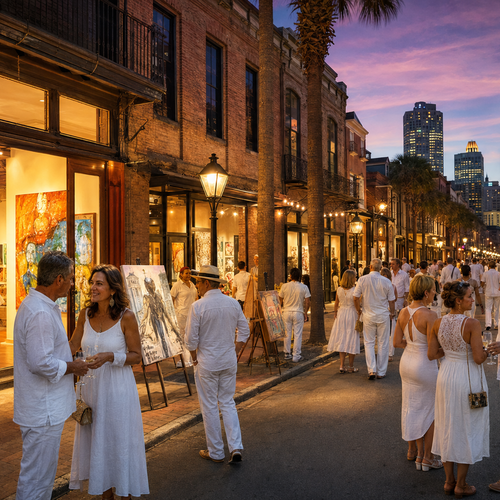

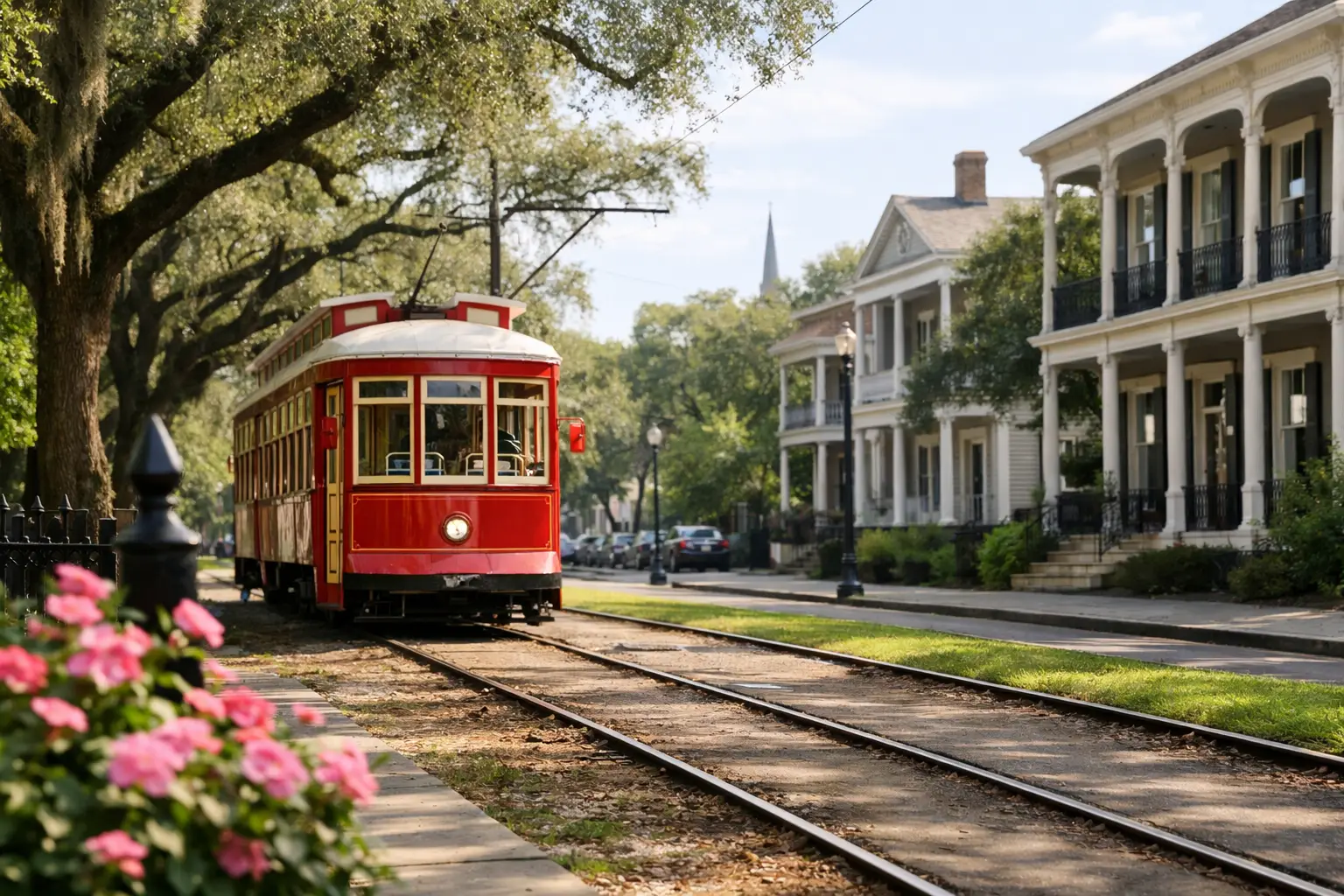
A streetcar stop can change the rhythm of a New Orleans home search. It may mean an easy ride to the French Quarter, a more walkable morning routine, or simply the pleasure of living near one of the city’s defining streetscapes. The best neighborhoods near streetcar lines offer far more than transit access, though. They pair distinctive architecture, daily conveniences, and a sense of place that needs to fit the way you actually live.
For buyers, the right choice depends on whether the priority is a historic single-family home, a polished condominium, proximity to parks and restaurants, or a shorter connection to downtown. Streetcar service is a meaningful lifestyle benefit, but it should be weighed alongside block-by-block condition, flood risk, parking, noise, and the type of property available.
What “Near the Streetcar” Means in New Orleans
New Orleans streetcars are part transportation network, part civic landmark. The St. Charles line serves the Uptown corridor and central city, while Canal Street connects downtown with Mid-City and the City Park and cemetery areas. Riverfront and Rampart routes provide additional access around the French Quarter, CBD, and surrounding neighborhoods.
Living near a line does not always mean commuting will be faster than driving, cycling, or walking. Streetcars operate at a measured pace, and service can be affected by weather, parades, construction, and special events. Their real value often lies in optionality: a car-free dinner downtown, a direct route for guests, or a gentler way to enjoy the city on a weekend.
Distance matters. A home one block from the tracks may deliver convenience but also bring rail noise, visitor activity, and traffic at busy intersections. A home several blocks away can preserve the same neighborhood access with more residential quiet. During a showing, it is worth visiting at different times of day rather than judging a location from one afternoon drive-by.
Best Neighborhoods Near Streetcar Lines
Garden District and Lower Garden District
For buyers drawn to architectural presence, mature trees, and a central address, the Garden District and Lower Garden District are enduring choices along the St. Charles corridor. Grand Greek Revival and Italianate homes, refined condos, and smaller historic residences coexist near Magazine Street’s restaurants, shops, and services.
The Garden District commands a premium for its iconic setting and landmark architecture. The Lower Garden District can offer a more urban feel, with easier access to the Warehouse District and CBD, plus a wider mix of renovated cottages, townhomes, and condominium options. Both neighborhoods appeal to buyers who value walkability and proximity to downtown without giving up a residential atmosphere.
The trade-off is visibility. St. Charles Avenue is one of the city’s most celebrated corridors, and its activity is especially pronounced during Mardi Gras season and major events. Buyers who want the address but prefer a quieter setting may find excellent opportunities on side streets. Explore the Garden District
Uptown
Uptown offers one of the most complete versions of the streetcar lifestyle. The St. Charles line connects broad, oak-lined avenues with the universities, Audubon Park, and the CBD. Along the route, buyers can find everything from historic mansions and double-gallery homes to renovated cottages and newer condominiums.
This is a strong fit for professionals and households who want neighborhood amenities close at hand. Prytania Street, Magazine Street, and Freret Street create distinct micro-locations, each with its own restaurant scene, retail mix, and housing character. A home near St. Charles may feel formal and established; a home closer to Freret can feel more energetic and contemporary. Explore Uptown
Price points vary considerably by location, condition, lot size, and architectural pedigree. In historic homes, buyers should look beyond the charm of original millwork and high ceilings. Roof age, electrical systems, foundation condition, insurance history, and renovation quality all deserve close attention.
Carrollton
At the upriver end of the St. Charles route, Carrollton feels more relaxed while remaining well connected to the rest of the city. It is known for handsome early 20th-century homes, cottages, doubles, and a neighborhood scale that suits buyers seeking more space and a grounded residential feel.
Oak Street gives Carrollton a lively local center, while nearby universities and parks add everyday appeal. The streetcar is particularly useful here because it makes Uptown and downtown outings possible without turning every plan into a parking decision.
Carrollton is not one uniform market. Some blocks feel distinctly residential, while others sit closer to commercial activity or major thoroughfares. Buyers should compare parking, lot dimensions, elevation, and the condition of older housing stock before assuming one part of the neighborhood performs like another.
Mid-City and Bayou St. John
Mid-City is a practical and character-rich choice near the Canal Street line. It places buyers near City Park, the New Orleans Museum of Art, Bayou St. John, and an expanding collection of neighborhood restaurants and coffee shops. Housing ranges from traditional cottages and bungalows to raised historic homes, doubles, and select newer construction.
For many buyers, Mid-City provides a compelling balance of access and value. The Canal line offers a direct connection toward downtown, while the neighborhood itself supports an active, local routine. Bayou St. John, on Mid-City’s eastern edge, adds scenic appeal and access to green space, though desirable blocks near the bayou can command stronger pricing.
As in any New Orleans neighborhood, water and elevation considerations are not secondary details. A thoughtful purchase strategy includes reviewing flood-zone information, insurance costs, drainage around the property, prior claims when available, and the home’s elevation certificate. A beautiful porch and renovated kitchen are only part of the picture. Explore Mid City
CBD and Warehouse District
Buyers seeking condominium living, modern conveniences, and an address near offices, dining, and entertainment should consider the CBD and Warehouse District. Streetcar access along Canal Street and the Riverfront can make this area especially appealing for those who enjoy a compact, urban lifestyle.
The housing conversation here is different from Uptown or Mid-City. Rather than lot size and exterior restoration, buyers often evaluate building management, monthly association fees, reserve funding, rental restrictions, amenities, parking, and views. A well-run building can protect both daily comfort and long-term resale appeal.
This is also one of the strongest options for buyers who travel frequently or want a lower-maintenance second home. Still, not every building offers the same level of privacy or residential calm. Tour the lobby, elevators, parking areas, and common spaces with the same care you bring to the individual unit. Explore Convention/Warehouse/Arts District
French Quarter and Faubourg Marigny Edges
The French Quarter and nearby Marigny offer a streetcar-adjacent lifestyle defined by historic texture, culture, and immediate access to some of the city’s most memorable dining and music venues. The Canal and Riverfront areas can serve the Quarter’s edge, while Rampart access may be convenient depending on a property’s location and current operations.
These neighborhoods are compelling for buyers who want to be in the center of New Orleans life. They are less ideal for someone who needs consistent quiet, abundant off-street parking, or a traditional suburban-style routine. Historic regulations, short-term rental rules, visitor activity, and building condition can have an outsized effect on both ownership experience and value. Explore the French Quarter
How to Choose the Right Streetcar-Adjacent Home
Start with the lifestyle, not the route map. A buyer who wants daily walks, neighborhood schools, and a yard may feel most at home in Carrollton, Mid-City, or Uptown. Someone who prioritizes low-maintenance ownership and close access to downtown may find a better fit in the CBD or Warehouse District. Buyers who value historic distinction and a highly walkable setting may focus on the Garden District, Lower Garden District, or French Quarter.
Then narrow the search to specific blocks. In New Orleans, two homes just a few blocks apart can differ substantially in flood exposure, parking, architectural condition, traffic patterns, and resale profile. Ask how close the streetcar truly is, whether the route serves your most frequent destinations, and how the home feels when the neighborhood is busiest.
A well-guided search should also account for the cost of ownership. Historic properties may require more active maintenance. Condominiums may carry association fees and assessments. Homes near parade routes can provide unmatched access to a beloved local tradition, while also requiring patience with seasonal street closures. The right choice is not the one with the most famous address. It is the one whose advantages remain meaningful after move-in day.
Raymond Real Estate helps buyers evaluate these details with a local perspective, from the character of an individual block to the long-term considerations behind a confident offer. The streetcar may bring you into a neighborhood, but the home, the setting, and the support behind your decision are what make it yours. Contact Us Today
Frequently Asked Questions About Neighborhoods Near New Orleans Streetcar Lines
What are the best neighborhoods near streetcar lines in New Orleans?
Some of the most popular neighborhoods near New Orleans streetcar lines include the Garden District, Uptown, the Warehouse District, Central Business District, Mid-City, Carrollton, Riverbend, and portions of the French Quarter. Each area offers a different mix of architecture, restaurants, entertainment, walkability, and housing options.
Which New Orleans neighborhood is best for living near the St. Charles streetcar?
The Garden District and Uptown are among the most desirable neighborhoods along the St. Charles Avenue streetcar line. Residents can enjoy historic homes, oak-lined streets, local restaurants, universities, and convenient access to Downtown New Orleans.
Is the Warehouse District close to a streetcar line?
Yes. The Warehouse District is served by nearby streetcar routes that connect residents to the Central Business District, French Quarter, Canal Street, and other parts of the city. It is a popular option for buyers who want condominiums, restaurants, museums, and a walkable urban lifestyle.
What neighborhoods are located along the Canal Street streetcar line?
The Canal Street streetcar provides access to Downtown New Orleans, the Central Business District, Mid-City, and areas near City Park and the historic cemeteries. Mid-City is especially popular with buyers seeking a residential neighborhood with convenient access to restaurants, recreation, and Downtown.
Is Mid-City a good neighborhood for streetcar access?
Mid-City is one of the best New Orleans neighborhoods for streetcar access. The Canal Street line connects parts of the neighborhood with Downtown, while residents can also enjoy proximity to City Park, Bayou St. John, local restaurants, and neighborhood businesses.
Can you live in New Orleans without a car near a streetcar line?
Living near a streetcar line can make it easier to rely less on a car, particularly in walkable neighborhoods such as the Warehouse District, Central Business District, French Quarter, Garden District, and parts of Uptown. However, daily transportation needs will depend on where you work, shop, and spend most of your time.
Are homes near New Orleans streetcar lines more expensive?
Homes and condos located near desirable streetcar routes may command higher prices because of their location, historic character, walkability, and transportation access. Property values still vary significantly based on the neighborhood, property condition, square footage, parking, insurance costs, and nearby amenities.
Are condos available near New Orleans streetcar lines?
Yes. Buyers can find condos near streetcar lines in the Warehouse District, Central Business District, French Quarter, Mid-City, and along portions of St. Charles Avenue. Condos may appeal to buyers who want a lower-maintenance property near dining, entertainment, and public transportation.
Which streetcar neighborhoods are best for historic homes?
The Garden District, Uptown, Carrollton, and Mid-City offer many historic homes near streetcar routes. Buyers may find Victorian residences, Greek Revival homes, Craftsman cottages, shotguns, and other architectural styles that reflect New Orleans history.
What should buyers consider before purchasing near a streetcar line?
Buyers should evaluate the property’s distance from the streetcar stop, potential street noise, parking availability, flood zone, insurance costs, commute time, and nearby commercial activity. Visiting the neighborhood at different times of day can provide a better understanding of traffic, activity, and overall atmosphere.
Are streetcars dependable for commuting in New Orleans?
Streetcars can be a convenient transportation option for certain commutes, particularly between Uptown, Mid-City, Canal Street, and Downtown. Buyers who plan to use the streetcar regularly should compare the route with their workplace and allow additional time for traffic, events, construction, and service interruptions.
How close should a home be to a streetcar stop?
Many buyers prefer to live within a five- to ten-minute walk of a streetcar stop. This distance can provide convenient access while reducing some of the noise and activity associated with living directly beside the tracks.
What is the best neighborhood near a streetcar line for nightlife?
The Warehouse District, Central Business District, French Quarter, and areas near St. Charles Avenue offer convenient access to restaurants, bars, music venues, galleries, and entertainment. The right choice depends on whether a buyer prefers an active downtown environment or a quieter residential neighborhood with nearby nightlife.
What is the best streetcar neighborhood for families?
Uptown, Carrollton, the Garden District, and Mid-City may appeal to families because of their residential streets, parks, schools, restaurants, and community atmosphere. Families should compare school options, property size, traffic, parking, and proximity to daily necessities before choosing a neighborhood.
How can a local real estate agent help buyers find homes near streetcar lines?
A knowledgeable New Orleans real estate agent can help buyers identify properties within walking distance of specific streetcar routes, compare neighborhoods, evaluate insurance and flood considerations, and understand how location may affect resale value. Local guidance is especially valuable because housing styles, pricing, and property conditions can vary significantly from one block to the next.
Check out this article next