

A loose porch rail, an active roof stain, a temperamental air conditioner - buyers notice these details before they notice the charm of your original millwork or the light in your living room. A thoughtful guide to pre listing repairs helps New Orleans sellers direct time and money toward issues that build buyer confidence, protect the contract, and support a stronger first impression.
The goal is not to renovate every room before selling. It is to present a home that feels cared for, accurately priced, and ready for its next owner. The right decisions depend on your property’s condition, price range, neighborhood, and likely buyer. A well-preserved Uptown historic home calls for a different strategy than a turnkey Warehouse District condominium or a Mid-City cottage with room for personalization.
Start With Repairs That Can Disrupt a Sale
The highest-priority repairs are not always the most visible. They are the ones most likely to appear in an inspection report, concern an appraiser, complicate financing, or cause a buyer to question everything else about the home.
In New Orleans, that often begins with the building envelope: roof condition, drainage, gutters, exterior siding, windows, and signs of moisture intrusion. Our climate puts consistent pressure on homes. A small leak, soft wood near a window, clogged gutters, or an area of standing water can suggest a larger maintenance problem, even when the underlying repair is manageable.
Address active plumbing leaks, electrical hazards, nonfunctioning HVAC equipment, damaged handrails, and obvious foundation or structural concerns before listing whenever practical. These are not cosmetic matters. They can affect safety, insurability, lending, and a buyer’s willingness to move forward.
For older properties, repairs should be handled with particular care. Original doors, plaster, wood floors, and architectural details can be meaningful assets. Replacing them with generic materials may not improve the home’s appeal. Preserve what is distinctive, repair what is failing, and use qualified professionals when work involves historic fabric, electrical systems, roofs, or drainage.
Use a Pre-Listing Review Before Setting the Scope
A seller’s first instinct is often to begin painting or updating finishes. Before making that call, walk through the home as a buyer would. Look for deferred maintenance, then consider where the home sits in the market.
A pre-listing inspection can be worthwhile when a property is older, has had recurring issues, or may raise questions about condition. It gives you the opportunity to understand concerns on your terms rather than reacting under contract. It does not eliminate a buyer’s inspection, but it can prevent surprises and help you decide what to repair, disclose, or price accordingly.
Your real estate advisor can also provide a market-based perspective. A repair that is essential in one price range may be less consequential in another, while a dated but functional kitchen may be perfectly acceptable if the home is priced with intention. The question is not simply, “Will this cost money?” It is, “Will this improve the buyer’s perception or reduce a likely objection?”
The Pre-Listing Repairs Buyers Notice First
Once major systems and safety items are addressed, focus on the details that shape a showing. Buyers form an opinion quickly, and small signs of neglect can make them assume more costly problems are waiting behind the walls.
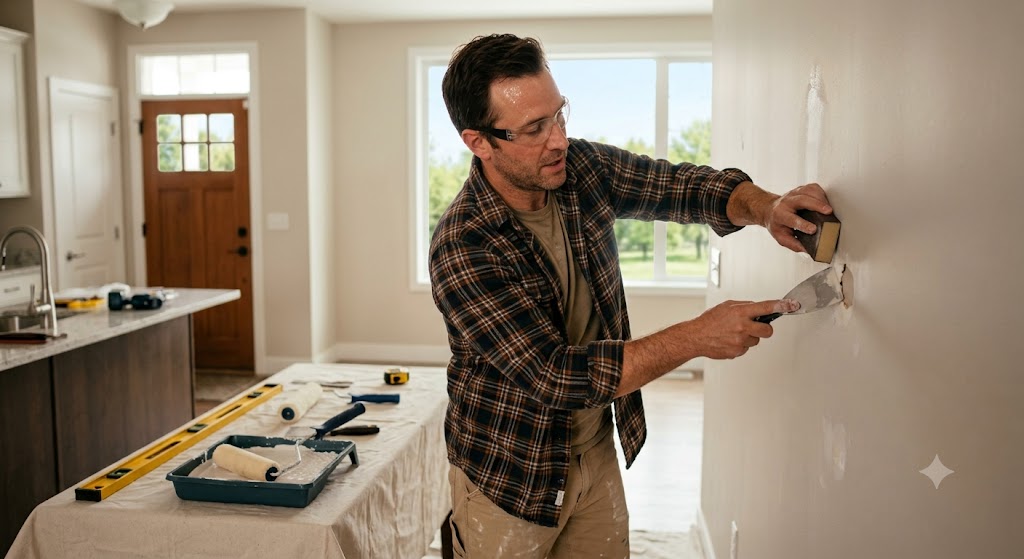
Fresh, neutral paint is often one of the most effective improvements, especially where walls are scuffed, colors are highly personal, or ceilings show old stains. Repair drywall cracks and nail pops, but do not merely paint over a water stain without resolving its source first.
Lighting deserves close attention. Replace burned-out bulbs, make sure fixtures work, and use consistent warm-white bulbs throughout the home. Bright, functional spaces photograph better and feel more inviting in person. If a fixture is dated but suits the architecture, a careful cleaning and new bulbs may be enough. If it is damaged or distracts from an otherwise polished room, replacement may be justified.
Kitchens and baths benefit from function before fashion. Fix dripping faucets, loose cabinet hardware, cracked caulk, slow drains, and damaged grout. Clean or replace discolored switch plates and ensure exhaust fans operate properly. These modest repairs signal that daily maintenance has been taken seriously.
Do not overlook doors, windows, and flooring. Doors should open and latch correctly. Windows should be operable where possible, particularly in historic homes where buyers may test them. Repair damaged screens, replace broken panes, and address visibly worn flooring if cleaning or minor refinishing will make a meaningful difference.
Curb Appeal Is a Condition Signal
In a city defined by front porches, ironwork, courtyards, and distinctive facades, the exterior sets expectations before a buyer walks through the door. Curb appeal is not only about beauty. It tells buyers whether the home has been maintained.
Pressure wash carefully where appropriate, clear debris from walkways, trim overgrown landscaping, and make sure the front entry is clean and welcoming. Repair loose steps, gates, fences, porch boards, and railings. Touch up peeling paint only after correcting the moisture issue that caused it.
Drainage deserves special attention in New Orleans. Downspouts should direct water away from the structure, gutters should be clear, and visible grading concerns should be evaluated rather than concealed. Buyers who understand the local market will look for evidence that water management has been considered.
Condominium sellers should not assume the building exterior is irrelevant. Even when the association manages the roof or facade, buyers may ask about assessments, building maintenance, insurance, and any known projects. Gather the relevant documents early so your listing can answer practical questions with clarity.
Know When Not to Renovate
A full renovation just before listing can be expensive, disruptive, and difficult to recover in the sale price. It may also miss the preferences of the eventual buyer. That does not mean updates are never worthwhile. It means they should be guided by market evidence rather than frustration with an outdated room.
If a kitchen has functional cabinets, sound appliances, and a layout that works, refinishing cabinets, updating hardware, and improving lighting may offer more value than a complete remodel. If a bathroom is clean and intact but dated, fresh caulk, repaired tile, and a new mirror can make it feel more intentional without overspending.
Major upgrades make more sense when they solve a clear competitive problem. For example, replacing a failed HVAC system, repairing a roof near the end of its life, or correcting widespread exterior deterioration can protect the sale far more effectively than installing trend-driven finishes. In higher-end homes, buyers may expect a more finished presentation, but they still value quality and authenticity over cosmetic work done in haste.
Keep Records and Price With Honesty
Save invoices, warranties, permits, and contractor information for completed work. A concise repair record can reassure buyers and give their inspector useful context. If a repair was made after a leak, include documentation that identifies the source and the resolution.
Not every issue needs to be repaired. Some homes are best offered with a transparent disclosure and pricing that reflects their condition. This can be the right approach for properties needing significant work, estates, or homes where the next owner is likely to undertake a larger renovation. What matters is consistency: the property’s presentation, disclosures, pricing, and marketing should tell the same honest story.
Avoid temporary fixes that will fail under inspection or create doubt. A buyer may accept an older roof, an original kitchen, or a home that needs updates. They are much less comfortable discovering that a visible problem was covered rather than addressed.
A Guide to Pre-Listing Repairs With a Clear Budget
Set a budget after you understand the home’s condition and competitive position. Start with safety, water intrusion, mechanical systems, and repairs that affect financing or inspection. Next, allocate funds to paint, cleaning, lighting, curb appeal, and small functional corrections. Only then consider cosmetic upgrades.
Ask for estimates from qualified, licensed professionals when the work involves major systems. The cheapest bid is not always the best choice, particularly when documentation, workmanship, and timing matter. Build in room for unexpected findings, especially in older New Orleans homes where one repair can reveal another.
A carefully prepared home does not need to look newly built. It should feel dependable, well-maintained, and ready to show its best qualities. With the right repair plan, sellers can enter the market with fewer surprises and more confidence in the story their home tells. Learn More
Frequently Asked Questions About Repairs That Pay Off Before Listing a Home
What repairs should I prioritize before listing my home?
Focus first on repairs that affect safety, functionality, and a buyer’s confidence. Common priorities include fixing roof leaks, plumbing problems, electrical issues, damaged flooring, broken windows, HVAC concerns, and visible water damage. Buyers are more likely to overlook cosmetic imperfections than major maintenance problems.
Should I renovate my kitchen before selling?
A complete kitchen renovation is not always necessary. Smaller improvements often provide a better return, such as painting cabinets, replacing outdated hardware, installing modern light fixtures, repairing damaged countertops, and updating the faucet. The goal is to make the kitchen feel clean, functional, and well maintained.
Is it worth repainting before putting a home on the market?
Fresh paint is one of the most cost-effective improvements a seller can make. Neutral colors can brighten rooms, cover scuffs, and help buyers imagine their own furniture in the space. Pay particular attention to heavily used areas, bold-colored rooms, trim, doors, and stained ceilings.
Should I repair the roof before listing?
Roof problems can discourage buyers and create difficulties during inspections, insurance reviews, and financing. Missing shingles, active leaks, damaged flashing, and deteriorated roof sections should be evaluated before listing. A full replacement may not always be required, but known issues should be addressed or factored into the pricing strategy.
Do HVAC repairs increase a home’s value?
A properly functioning heating and cooling system is especially important in the New Orleans climate. Servicing the HVAC system, changing filters, cleaning vents, and repairing known problems can reassure buyers that the home has been maintained. Keep service records available when possible.
Are bathroom updates worth the investment?
Minor bathroom improvements can make a strong impression without requiring a complete remodel. Recaulking tubs and showers, repairing leaks, replacing outdated fixtures, improving lighting, and refreshing paint can make the bathroom appear cleaner and more modern.
Should I fix cosmetic issues before selling?
Small cosmetic problems can make buyers wonder whether larger maintenance issues have also been neglected. Repair cracked tiles, loose door handles, damaged trim, stained carpet, missing outlet covers, dripping faucets, and doors that do not close properly. Individually, these repairs may seem minor, but together they can affect a buyer’s perception of the home.
What exterior repairs provide the best return?
Curb appeal helps shape a buyer’s opinion before they enter the property. Pressure washing, repairing damaged steps or railings, cleaning gutters, replacing broken exterior lights, painting the front door, trimming landscaping, and addressing peeling paint can make the home feel more inviting.
Should I repair foundation or structural problems before listing?
Known structural concerns should be evaluated by a qualified professional. Foundation movement, uneven floors, major cracks, or moisture intrusion can affect buyer confidence and financing. Depending on the situation, sellers may choose to complete the repairs, obtain professional documentation, or adjust the listing price accordingly.
Should I make repairs before or after the home inspection?
Completing obvious repairs before listing can reduce the likelihood of inspection-related negotiations. A pre-listing inspection may also help identify problems before buyers discover them. This gives the seller more control over repair costs, timing, and contractor selection.
Which repairs usually do not provide a strong return?
Highly personalized renovations, luxury upgrades that exceed neighborhood standards, expensive room additions, and complete remodels completed solely for resale may not recover their full cost. Sellers should prioritize broad buyer appeal rather than designing the home around personal preferences.
How do I decide whether to repair an issue or sell the home as-is?
The right decision depends on the repair cost, the home’s condition, the local market, and the likely effect on the selling price. A real estate professional can help compare the potential return from completing repairs against pricing the property to reflect its current condition.
Check out this article next