

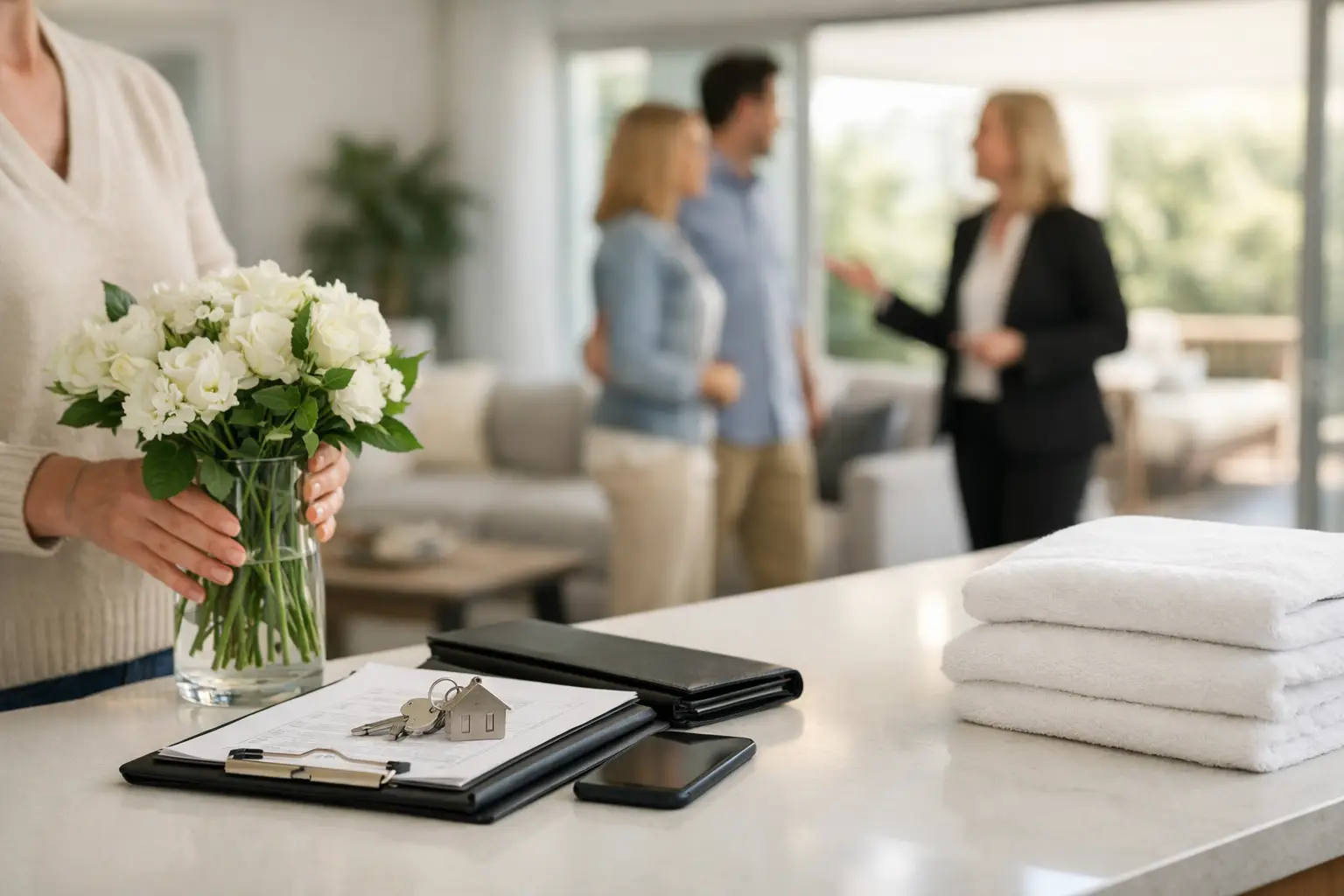
The first showing is rarely about square footage alone. Buyers are deciding how a home feels within seconds of pulling up - and in New Orleans, where architecture, character, and neighborhood charm matter so much, that first impression carries real weight. If you want to prepare for home showings in a way that supports strong offers, the goal is simple: make it easy for buyers to picture themselves living well in the space.
That does not mean making your home look generic or stripping away every trace of personality. It means presenting it with intention. The most effective showings create a sense of ease, light, and possibility, while minimizing distractions that pull attention away from the home itself.
Why it pays to prepare for home showings
A showing is not the same as a photo shoot. Listing photography can attract attention online, but the in-person experience is what confirms value. Buyers notice proportion, maintenance, natural light, storage, noise, scent, and flow. They also notice what feels neglected, crowded, or difficult.
Well-prepared homes tend to feel better maintained, even before a buyer has seen an inspection report. That perception matters. A polished presentation can support stronger pricing, shorten time on market, and reduce the tendency for buyers to open negotiations with repair assumptions or cosmetic objections.
There is also a practical side to this. The cleaner and more streamlined your home is before showings begin, the easier it becomes to keep it ready as appointments roll in. Sellers often think of preparation as a one-time push, but the better approach is to create a showing-ready baseline you can maintain with minimal stress.
Start with the buyer's line of sight
Most homeowners are used to their space. Buyers are not. They enter with fresh eyes, and they tend to focus on what interrupts the experience. That might be a crowded entry, heavy furniture, pet items, dim corners, or too many personal photographs in a main living area.
Walk through your home as if you were seeing it for the first time. Start at the curb, then move to the front door, foyer, living areas, kitchen, bedrooms, and baths. Notice where your eye lands. Ideally, it should land on attractive features: tall ceilings, original millwork, updated finishes, a balcony, a landscaped courtyard, or beautiful natural light.
If the eye lands instead on a trash can, a pile of shoes, or an overstuffed bookshelf, that is a cue to edit. Preparing for showings is often less about adding and more about subtracting.
Clean like buyers will open every door
They usually do. Buyers open closets, check windows, look into showers, glance at baseboards, and notice the condition of vents and doors. A surface-level tidy-up is not enough.
Focus first on kitchens and bathrooms, where buyers are especially alert to cleanliness. Grout, mirrors, faucets, sinks, and shower glass should feel crisp and cared for. In the kitchen, clear counters as much as possible, wipe appliance fronts, and remove anything that suggests clutter or limited workspace.
Then move to the details that quietly shape perception. Dust ceiling fans and molding. Clean windows if possible. Vacuum under beds. Mop hard floors properly rather than quickly. If your home has older materials or historic finishes, cleanliness is even more important because it signals stewardship rather than age.
For many sellers, professional cleaning before the first week of showings is money well spent. It creates a standard that is difficult to match in a rushed afternoon.
Declutter without making the home feel empty
There is a balance here. Buyers want to see scale and livability, not bare rooms that feel cold or smaller than they are. At the same time, too much furniture or decor can make a home look constrained.
Start with volume. Remove excess chairs, side tables, stacks of books, oversized storage pieces, and anything blocking windows or pathways. In closets, aim to remove at least a third of the contents. Buyers read crowded storage as a sign there is not enough room.
Personal items deserve special attention. Family photos, highly specific collections, kids' artwork on every surface, and visible daily routines can make it harder for buyers to imagine their own life in the home. A few tasteful personal touches are fine. The home just should not feel occupied in a way that dominates the experience.
Let light do its job
Light sells homes. That is true in high-rise condos, traditional uptown residences, renovated cottages, and historic properties alike. Before every showing, open window treatments where privacy allows, replace dim bulbs, and make sure every lamp and overhead fixture works.
Pay attention to bulb temperature. A mix of cool white and soft yellow lighting can make a house feel inconsistent. Choose a warm, flattering tone and keep it consistent throughout the home.
If certain rooms naturally read darker, do not fight that with harsh brightness. Instead, simplify the room, add a well-placed lamp, and make sure natural light is not being blocked by heavy drapery or furniture. Buyers respond to atmosphere as much as illumination.
Handle repairs buyers will notice immediately
Not every home needs a major pre-listing renovation. In fact, some improvements do not return what sellers hope. But small defects can leave an outsized impression during showings.
Think sticking doors, chipped paint, loose cabinet hardware, dripping faucets, burned-out bulbs, cracked switch plates, and scuffed walls. These are not usually expensive fixes, but they can create the impression that larger maintenance issues may be hiding beneath the surface.
This is especially relevant in New Orleans, where buyers are often attentive to signs of deferred maintenance. In older homes, character is a major asset, but it needs to feel well-kept. Original details are appealing. Neglect is not.
Prepare for home showings with scent and sound in mind
A home does not need to smell like a candle store to feel inviting. In fact, heavy fragrance can make buyers suspicious. Clean air is the standard.
Address pet odors, damp areas, strong cooking smells, and overused plug-ins. Fresh air helps when weather allows, but avoid relying on open windows alone if humidity is high. Kitchens, laundry areas, and soft furnishings often hold odor more than sellers realize.
Sound matters too. If possible, minimize barking dogs, loud televisions, or neighborhood distractions during showings. Soft background music can work in some settings, but it should never feel like a tactic. Quiet confidence is usually the better choice.
Create a plan for pets, people, and daily life
One of the biggest challenges with showings is not staging. It is logistics. Homes show best when buyers can move through them freely and without interruption.
If possible, sellers should not be present during showings. Buyers tend to spend less time in a home and speak less openly when the owner is there. The same goes for pets. Even friendly animals can distract from the experience or create hesitation for buyers who are anxious around them.
Keep a simple go-bag with essentials so you can leave quickly if a showing request comes in on short notice. That might include keys, chargers, pet supplies, a change of clothes for children, and anything you do not want visible during appointments. The easier it is to step out, the less stressful the process becomes.
Adjust for your property type and price point
Not every showing strategy is identical. A French Quarter condo, a Garden District residence, and a family home in Lakeview may require different emphasis.
In a condominium, buyers may focus on views, layout efficiency, storage, amenities, and lock-and-leave convenience. In a historic home, they may respond strongly to architectural details, ceiling height, and craftsmanship, while also watching closely for upkeep. In a larger family property, flow, functionality, and outdoor space may matter most.
That is why preparation should be strategic, not generic. The right showing plan highlights what makes your specific property competitive in its segment. At Raymond Real Estate, that kind of positioning is part of how elevated marketing translates into a stronger in-person experience.
The final hour before a showing
Once your home is broadly ready, the last-minute routine should be simple and repeatable. Make the beds neatly, clear kitchen and bathroom counters, take out trash, hide pet bowls, turn on lights, and do a quick scan for clutter.
Then pause at the front door and look in one more time. Does the home feel calm? Clean? Open? That final impression test is often more useful than any checklist.
Perfect is not the standard. Buyers understand that real people live in homes. What they want is evidence of care, a sense of space, and the confidence that the property has been thoughtfully presented. When a home feels easy to walk into and easy to imagine living in, showing traffic starts working in your favor.
The best preparation is not about performance. It is about removing friction so your home's strongest qualities can speak clearly the moment someone walks through the door. Learn More
Check out this article next