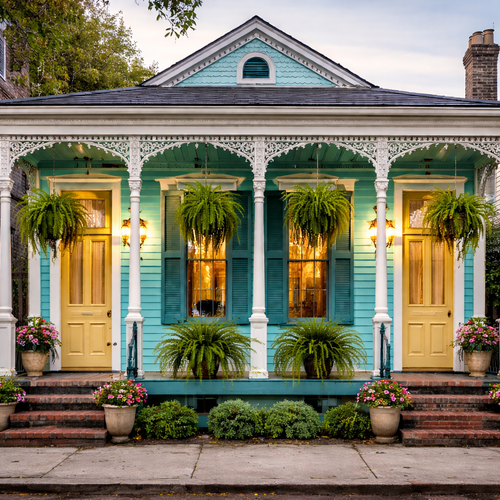

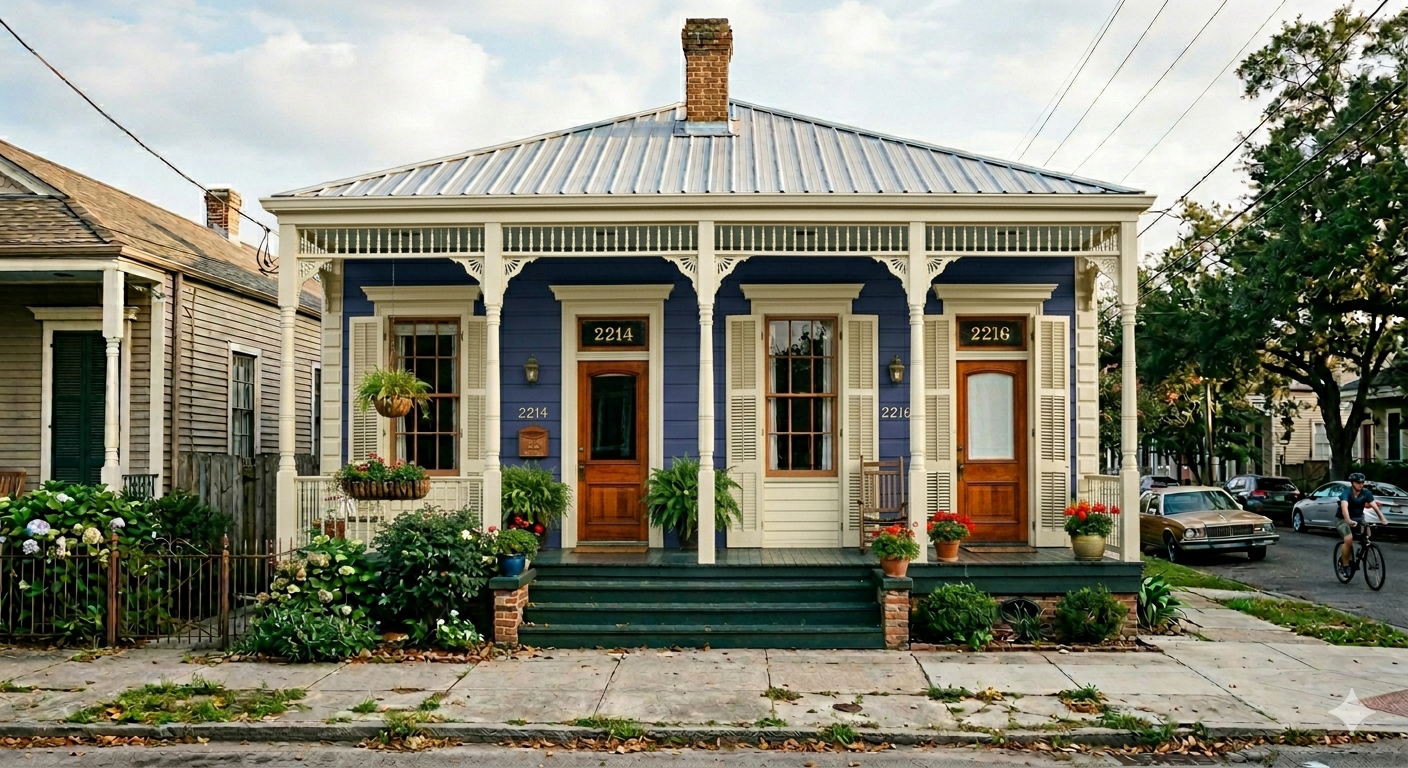
One of the most practical ways to enter homeownership with a little more strategy is buying duplex as primary residence. You are not just choosing a place to live. You are choosing a home that can also offset your mortgage, create flexibility, and give you a foothold in a market where monthly costs matter.
For many buyers in New Orleans, that idea is especially appealing. A duplex can offer the charm and location of established neighborhoods with the added advantage of rental income. But this is not a simple version of buying a single-family home. The numbers, the financing, the condition of the property, and the day-to-day reality of living next to a tenant all deserve careful attention.
Why buying duplex as primary residence appeals to buyers
The biggest draw is straightforward: you live in one unit and rent the other. In the right scenario, that rental income helps cover your monthly payment and may make homeownership more comfortable from day one. For first-time buyers, that can mean getting into a neighborhood sooner than expected. For move-up buyers, it can mean keeping more financial breathing room.
There is also a longer-term benefit. You are building equity in a property with two income-producing units, not just one place to live. If your plans change later, you may decide to keep the duplex as an investment and move into another home. That kind of flexibility is part of what makes this purchase type so attractive.
Still, the appeal depends on the property and the buyer. Some people are energized by the idea of owner-occupying a multi-unit home. Others quickly realize they want more privacy and less involvement with tenants. Both reactions are reasonable.
What counts as a primary residence in a duplex purchase?
In most cases, a primary residence means you plan to live in one of the units as your main home, typically within a set period after closing. Lenders usually require that occupancy because owner-occupied financing often comes with more favorable terms than investor loans.
That difference matters. If you qualify as an owner-occupant, you may have access to lower down payment options, better interest rates, and broader loan choices. Those advantages can make a duplex much more attainable than many buyers assume.
The property itself usually needs to fall within residential financing guidelines as well. A standard duplex is often eligible, but the condition, rental setup, and appraisal all matter. If one unit is not habitable or the building has major deferred maintenance, financing can become more complicated.
Financing a duplex is different from financing a single-family home
This is where the conversation gets more detailed. Lenders do not evaluate duplex purchases exactly the same way they evaluate a single-family home. They look at your income, debt, credit, cash reserves, and the property itself. They may also consider projected rent from the second unit to help support qualification.
That can be a major advantage, but it is not automatic. Some lenders will use a portion of market rent based on an appraisal and rent schedule. Others may have stricter standards depending on the loan program. You want clarity early, because your comfort level with the payment should not depend on optimistic assumptions.
Down payment requirements also vary. Some owner-occupied duplex purchases can be made with relatively low down payments, while others require more cash depending on the loan type and borrower profile. Closing costs, reserves, insurance, and any immediate repair needs should all be part of the upfront planning.
In New Orleans, insurance deserves special attention. Flood zone, wind coverage, and overall property condition can materially change your monthly ownership cost. A duplex that looks attractive on paper can feel different once insurance quotes and maintenance realities are included.
The real math behind buying duplex as primary residence
A duplex can reduce your housing expense, but only if the numbers are grounded in reality. It helps to think beyond the base mortgage payment. Property taxes, insurance, utilities, vacancy risk, repairs, and maintenance all affect the true monthly picture.
If the other unit rents for enough to cover a meaningful share of your payment, that is powerful. But rent is rarely pure profit. You should expect periods between tenants, occasional repairs, and the normal wear that comes with rental occupancy. Even a well-maintained property will need attention.
The smarter approach is conservative. Estimate rent based on current market conditions, then give yourself room for costs and interruptions. If the property still makes sense with those assumptions, you are looking at a much stronger purchase.
Property condition matters more than many buyers expect
A beautiful facade does not tell you much about the systems, layout, or legal use of a duplex. In New Orleans, that matters even more because housing stock often includes older homes with character, complexity, and renovation history.
You want to know whether the property is truly functioning as a duplex, whether the systems are separately metered when appropriate, and whether updates were done properly. Roof age, foundation issues, HVAC condition, plumbing, and electrical work can all affect both your budget and your financing path.
Historic properties and converted homes deserve particularly careful review. Some are exceptional opportunities. Others come with expensive surprises. A thorough inspection is essential, and in some cases, specialized inspections may be worth the additional cost.
Living next to your tenant is a lifestyle decision
This is the part buyers sometimes underestimate. Buying a duplex as your primary residence means your renter is not across town. They are next door, upstairs, or downstairs. That can be convenient, but it can also test your boundaries.
Some owners appreciate the sense of oversight and the ease of addressing issues quickly. Others find it difficult to feel fully at home when they are also acting as a landlord. Noise, parking, shared yard space, and maintenance expectations all become more personal when you live on-site.
That does not mean the setup is a bad idea. It simply means the fit is personal. If you value privacy above all else, a duplex may feel less comfortable over time. If you are financially disciplined, reasonably hands-on, and comfortable with some shared proximity, it can be an excellent move.
Neighborhood choice shapes the outcome
Not every neighborhood offers the same duplex opportunity. In New Orleans, location affects rent potential, tenant demand, insurance considerations, and your own day-to-day quality of life. A duplex should work as both a home and an income-producing property.
That balance is where local guidance becomes especially valuable. Some buyers prioritize walkability and architectural character. Others care more about parking, lot size, or access to major employment centers. The strongest duplex purchase usually sits at the intersection of your personal lifestyle and a reliable rental market.
A property that is perfect for tenants but wrong for your daily life can wear on you. A property you love personally but that struggles to attract stable renters can create financial strain. The goal is not just to buy a duplex. It is to buy the right duplex for owner-occupancy.
Common mistakes to avoid
The first mistake is stretching too far because projected rent makes the purchase look easier than it is. Rental income can help, but your budget should still feel sustainable if there is a vacancy or an unexpected repair.
The second is underestimating maintenance. Two units usually mean more systems, more surfaces, and more ongoing responsibility. The third is failing to evaluate the lease situation carefully if a tenant is already in place. Existing rents, deposit records, lease terms, and payment history all matter.
Another common issue is focusing only on purchase price instead of total monthly cost. Insurance, taxes, and repair needs can shift the picture quickly. A lower-priced duplex with major issues is not automatically the better deal.
When a duplex makes sense and when it may not
A duplex often makes sense for buyers who want to offset housing costs, are comfortable with some landlord responsibility, and plan to stay long enough to benefit from the setup. It can be especially compelling for buyers who want a more strategic first purchase instead of a purely lifestyle-driven one.
It may not be the right fit if you need complete separation between home life and property management, if your budget is tight even with conservative planning, or if the only way the purchase works is with perfect rental performance. Real estate can be a strong wealth-building tool, but only when the property fits both your finances and your temperament.
In a market as nuanced as New Orleans, buying a duplex calls for more than a quick search and a mortgage pre-approval. It calls for careful analysis, neighborhood insight, and a clear understanding of how the property will serve you now and later. Done well, it can be one of the smartest ways to buy a home with built-in flexibility. The best first step is not finding any duplex. It is finding the one that feels sound on paper, manageable in real life, and aligned with where you want to live. Learn More
Check out this article next