

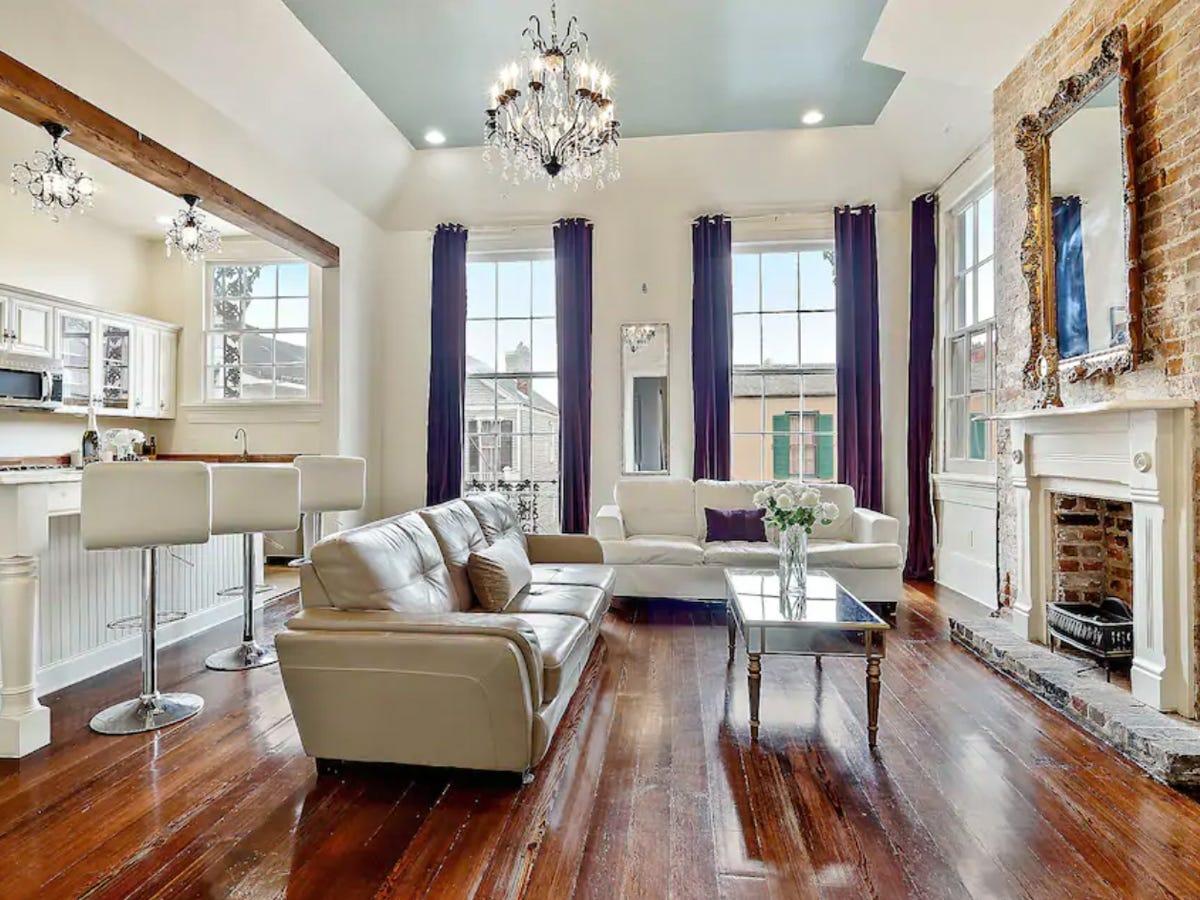
A buyer falls in love with a French Quarter balcony, then hesitates after seeing the condo fees. Another tours a classic Uptown house, then starts calculating roof age, flood risk, and weekend maintenance. That is the real condo vs house New Orleans decision - not just square footage, but how you want to live, what you want to manage, and how confident you feel about the long-term costs.
In New Orleans, this choice carries more nuance than it does in many other cities. Architecture is older, insurance can be a major line item, neighborhood character shifts block by block, and lifestyle priorities vary widely between buyers. A condo can offer simplicity and location. A house can offer privacy and flexibility. Neither is automatically the better investment or the smarter move. The right fit depends on your finances, routines, and tolerance for responsibility.
Condo vs House New Orleans: What Really Changes?

At a glance, the trade-off seems simple. Condos usually offer less private outdoor space and more shared rules, while houses offer more autonomy and more upkeep. But in New Orleans, those differences often show up in very practical ways.
With a condo, you may gain a more lock-and-leave lifestyle, a central location, and less direct responsibility for exterior maintenance. That can be especially appealing for buyers who travel often, split time between cities, or want to stay close to restaurants, entertainment, and downtown employers. In some buildings, amenities and security also add a level of convenience that a single-family home does not provide.
With a house, you typically gain more space, more privacy, and more control over the property. You are not subject to condo association bylaws in the same way, and you usually have greater freedom to renovate, landscape, host, or simply enjoy a yard. In neighborhoods where historic homes define the streetscape, a house may also offer the character and sense of place many buyers want from New Orleans living.
The Cost Question Is Bigger Than the Purchase Price
Many buyers start by comparing list prices, but monthly ownership cost matters just as much. In a condo, your payment may include a homeowners association fee that covers some combination of exterior maintenance, common area upkeep, building insurance, security, water, and reserves. That fee can feel high at first glance, but it may offset expenses a house owner would otherwise handle separately.
A house may come with no HOA fee at all, which looks appealing on paper. Still, that does not mean lower ownership cost. You may be carrying the full burden of roof replacement, exterior painting, termite contracts, drainage concerns, landscaping, and more comprehensive insurance obligations. In New Orleans, where weather and aging structures can create real maintenance demands, those costs are not theoretical.
Insurance deserves special attention in any condo vs house in New Orleans comparison. Condo owners generally insure the interior of their unit and personal belongings, while the association carries a master policy for the building. House owners are responsible for insuring the entire structure, and premiums can vary based on elevation, flood exposure, age, roof condition, and construction type. For some buyers, the insurance difference alone can materially change affordability.
Lifestyle Fit Matters More Than Buyers Expect
The better choice often comes down to how you spend your time and what kind of home ownership feels energizing rather than draining.
If you want to walk to restaurants, lock the door for a weekend away, and avoid managing exterior repairs, a condo may fit beautifully. That is especially true for professionals with demanding schedules, second-home buyers, and anyone who values convenience over extra square footage. A well-located condo can deliver an elegant, low-maintenance lifestyle that feels aligned with the rhythm of the city.
If you want a garden, a guest house, room for pets, or a quieter residential feel, a house may serve you better. Families often prioritize yard space and interior separation. So do buyers who work from home and want multiple dedicated rooms. Even for solo buyers or couples, a house can make sense if privacy and creative control are high on the list.
There is also an emotional side to this decision. Some buyers simply feel more at home in a historic house with a porch and architectural detail. Others prefer the ease and polish of a professionally managed building. Neither preference is superficial. It affects how satisfied you will feel after closing.
Neighborhoods Can Push the Decision in Either Direction
In New Orleans, housing type and neighborhood often go hand in hand. If your goal is to live in a highly walkable area with easy access to downtown, the Warehouse District or parts of the French Quarter may naturally present more condo opportunities. If your priorities lean toward larger lots, more traditional neighborhood blocks, or a quieter residential setting, areas like Lakeview or parts of Uptown may pull you toward a house.
That does not mean every neighborhood is one-note. You can find condos in residential areas and houses in lively, close-in neighborhoods. But inventory patterns do matter. Sometimes the neighborhood you love narrows the property type options. Other times, your budget will stretch further with one type than the other in the same area.
This is where local guidance becomes especially valuable. In New Orleans, two homes at the same price can represent very different ownership experiences depending on flood zone, building age, condition, parking, and block-by-block demand. Explore Areas
Maintenance, Rules, and Control
For many buyers, this is the deciding factor.
A condo usually offers less maintenance but more shared governance. You may not need to think much about exterior painting, roof repairs, or common area upkeep. In exchange, you are buying into a community structure with rules, budgets, and board decisions. That can be a benefit if the building is well run. It can also become frustrating if you prefer complete autonomy or if the association is underfunded.
A house puts control in your hands. You decide when to renovate, what to plant, how to use the outdoor space, and how to prioritize repairs. But that control comes with responsibility. If the siding needs work or the drainage needs improvement, there is no association stepping in. For buyers who value independence, that is worth it. For others, it becomes one more demand on already limited time.
Before buying a condo, it is wise to review association documents carefully. Monthly dues, reserves, pending assessments, rental restrictions, and maintenance history all matter. Before buying a house, it is equally important to understand condition, deferred maintenance, and the realistic cost of ownership over the next five to ten years.
Resale and Investment Potential
Buyers often ask which property type is the better investment. The honest answer is that it depends on the asset, the location, and your time horizon.
A well-located condo in a desirable building can hold value well and appeal to a broad pool of buyers who want convenience and location. But resale can be influenced by HOA fees, financing considerations, building condition, and competition from similar units in the same development.
A house may offer stronger appeal to buyers seeking space, individuality, and long-term flexibility. In some neighborhoods, that can support excellent resale demand. At the same time, houses can have more variable repair costs, and condition issues may affect value more dramatically if maintenance has been deferred.
If you are buying primarily for personal use, it is usually better to focus first on fit and second on resale. The home that aligns with your lifestyle and financial comfort is often the one you will own more confidently and maintain more thoughtfully.
How to Decide Between a Condo and a House in New Orleans
If you are torn, ask yourself a few practical questions. Do you want convenience or control? Would you rather pay a monthly HOA fee or handle repairs as they come? Is outdoor space essential, or would a balcony and shared amenities be enough? Do you travel often, or are you putting down long-term roots with growing space needs?
Then look closely at the numbers beyond the mortgage. Compare insurance, maintenance, dues, utilities, and likely near-term repairs. A lower purchase price does not always mean lower stress, and a higher monthly fee does not always mean a worse deal.
Most of all, let the property support the life you actually lead. In a city as distinctive as New Orleans, the best home is not simply the one with the prettiest details or the lowest monthly cost. It is the one that fits your neighborhood goals, your financial comfort, and the way you want home to feel day to day.
For buyers weighing both paths, a thoughtful local search often brings clarity quickly. Raymond Real Estate works with clients across New Orleans to compare lifestyle, cost, and neighborhood fit with the kind of guidance that makes a major decision feel much more manageable.
The right choice is rarely about choosing the more impressive option. It is about choosing the home you will enjoy owning, not just the one you are excited to buy.
Check out this article next