

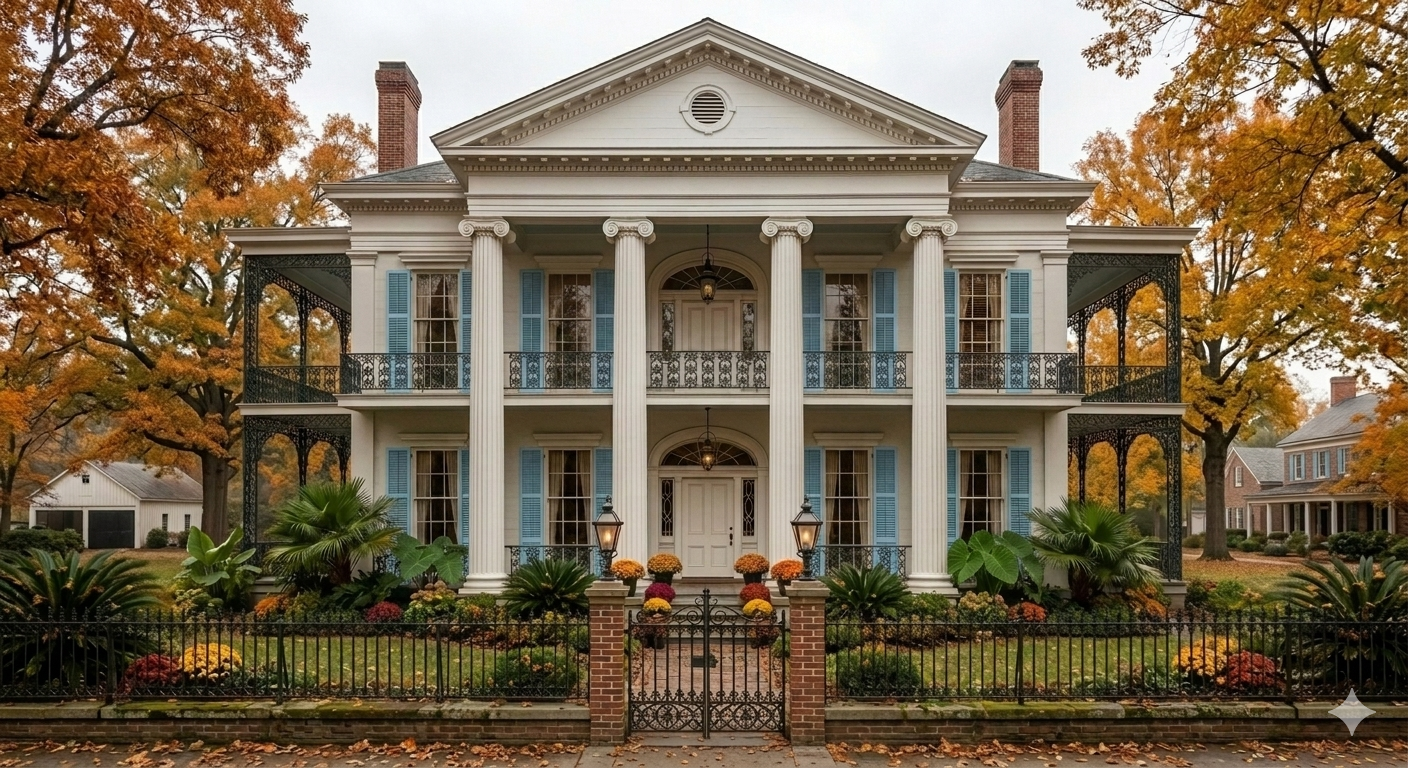
The first time you step into a true New Orleans historic home, the decision rarely feels purely practical. It is often the cypress floors, the ceiling medallions, the old brick, the way light falls through tall windows, or the sense that the house has a story long before you arrive. That is exactly why understanding how to buy a historic home in New Orleans matters. These properties can be extraordinary places to live, but they ask more of a buyer than a standard transaction.
In New Orleans, age and character are part of the value. They can also affect financing, insurance, inspections, renovation scope, and even what you are legally allowed to change. A beautiful façade in the Garden District, a Creole cottage in the Marigny, or a shotgun in Uptown may look turnkey at first glance, yet each can come with its own set of obligations and opportunities.
How to buy a historic home in New Orleans with clear expectations
The smartest buyers begin by adjusting their expectations before they ever tour a property. A historic home is not simply an older version of a newer house. It may have original materials, layered renovations, nonstandard room sizes, aging systems, and preservation considerations that affect both cost and timeline.
That does not make the purchase riskier by default. It makes it more specific. Buyers who do well in this market are usually the ones who appreciate both the romance and the responsibility. They want charm, but they also want to understand the condition of the foundation, the age of the roof, the status of the electrical system, and whether previous work was done properly.
If you are buying for lifestyle, historic architecture can deliver something newer construction often cannot - presence, texture, and a strong sense of place. If you are buying for convenience alone, the trade-offs may feel less appealing. Knowing which camp you fall into will shape every decision that follows.
Start with the neighborhood, not just the house
In New Orleans, historic homes are deeply tied to neighborhood identity. The same buyer may love a stately Uptown property, a French Quarter pied-à-terre, or a Bywater cottage for very different reasons. That is why location should come before architectural infatuation.
Some neighborhoods have stricter historic oversight than others. Some offer easier parking, larger lots, or quieter residential blocks. Others trade space for walkability, cultural energy, and iconic streetscapes. Even insurance costs and flood risk can vary materially by area.
A buyer considering a historic home should think beyond style and ask practical questions. How do you want to live day to day? Do you want a formal home with entertaining space, or a smaller residence close to restaurants and music venues? Are you comfortable maintaining a larger property, or would a condo in a historic building better fit your lifestyle?
In a city this nuanced, neighborhood fluency is not a bonus. It is part of making a sound purchase.
Budget for more than the purchase price
One of the biggest mistakes buyers make is assuming the list price is the primary financial story. With historic homes, ownership costs deserve just as much attention.
Insurance is often the first surprise. Depending on the age, condition, location, and claims environment, premiums may be significantly different from what a buyer expects. Flood insurance may also be part of the equation. Before you commit emotionally, get realistic numbers from an insurance professional who understands older New Orleans housing stock.
Then there is maintenance. Older homes can require more ongoing care, even when they have been beautifully updated. Wood windows may need restoration. Plaster can crack. Pier-and-beam foundations may need monitoring. Moisture management is a serious issue in this climate, and deferred maintenance tends to show up eventually.
That does not mean every historic home is expensive to own. A well-maintained property with thoughtful updates may perform far better than a neglected one with superficial cosmetic appeal. The key is to build your budget around the true cost of ownership, not just the offer amount.
Inspections matter more here
If you want to know how to buy a historic home in New Orleans wisely, the answer is simple: inspect deeply.
A general home inspection is only the starting point. Depending on the property, buyers may also need specialized evaluations for foundation movement, roof condition, sewer lines, termites, HVAC performance, or electrical updates. In older homes, it is not unusual to find a mix of systems installed across different decades. Some work may have been expertly completed. Some may not.
Look closely at structural and moisture-related issues. In New Orleans, settling is common, but not every slope or crack means the same thing. An experienced inspector can help distinguish between expected aging and more significant concerns. The same is true for rot, drainage issues, and signs of past water intrusion.
It is also worth paying attention to what has been replaced and what has not. Original architectural details can be highly desirable, but original plumbing or outdated wiring usually are not. The goal is not perfection. It is clarity.
Understand historic district rules before you plan changes
Many buyers fall in love with a historic home and immediately begin imagining a new kitchen, expanded primary suite, or modernized exterior. That is where regulation becomes important.
In some parts of New Orleans, exterior changes may be reviewed by historic oversight authorities. Windows, shutters, rooflines, paint decisions, additions, and façade alterations may all be subject to approval depending on the property and district. Interior work is often less restricted, but not always simple if the home has structural or preservation concerns.
This is one of those areas where assumptions get expensive. A buyer should confirm whether the property sits in a local or national historic district, what rules apply, and whether any unpermitted work appears to have been done by prior owners. If your vision for the home depends on major changes, you need to know early whether those changes are realistic.
Sometimes the better purchase is not the prettiest house. It is the one whose condition, layout, and regulatory profile align with your plans.
Financing can be straightforward, but condition still drives the deal
Many historic homes can be financed conventionally without drama. The issues usually arise when condition becomes a problem. If a roof is at the end of its life, systems are not functioning, or required repairs are substantial, lenders and insurers may impose conditions that affect timing or even deal viability.
This is especially relevant for buyers hoping to take on a project. Renovation loans can be an option, but they require planning, documentation, and patience. Cash buyers may have more flexibility, but they still need disciplined due diligence.
A strong local agent can help you assess whether a property is truly financeable in its current condition and whether the pricing reflects the work ahead. In a market with highly varied inventory, that guidance can prevent costly surprises.
Value the updates that matter most
Historic charm adds emotional value, but smart updates protect long-term value. The best historic homes usually strike a balance between preserved character and modern livability.
Updated electrical, functional plumbing, efficient HVAC, a sound roof, and thoughtful drainage improvements often matter more than a flashy cosmetic renovation. A kitchen can be changed later. Foundation stabilization, exterior envelope repairs, and major system replacements are harder and more expensive to absorb after closing.
Buyers should also think about what kind of updating respects the home. The most appealing renovations tend to work with the architecture, not against it. In New Orleans, a house does not need to feel frozen in time, but it should still feel like itself.
Work with people who know this inventory
Historic homes are not a category you want to approach casually. The right representation can shape everything from the homes you target to the questions you ask under contract.
A local brokerage with real experience in New Orleans neighborhoods can help you read between the lines of a listing, identify red flags early, and understand whether a property is special in a way that supports value or simply expensive because it photographs well. That distinction matters.
At Raymond Real Estate, this kind of purchase is approached with the same principle that guides every client relationship: clarity, strategy, and a luxury level of service regardless of price point. That is particularly valuable when a home has beauty, complexity, and a long history all at once.
Buy the right house, not just a beautiful one
A historic home should make you feel something. It should also make sense on paper. When those two things align, buying one in New Orleans can be deeply rewarding.
The right property is not always the most dramatic or the oldest. It is the one that fits your lifestyle, your budget, your appetite for stewardship, and your vision for living in this city. If you approach the process with care, patience, and informed guidance, you do not have to choose between charm and confidence.Learn More
Check out this article next