
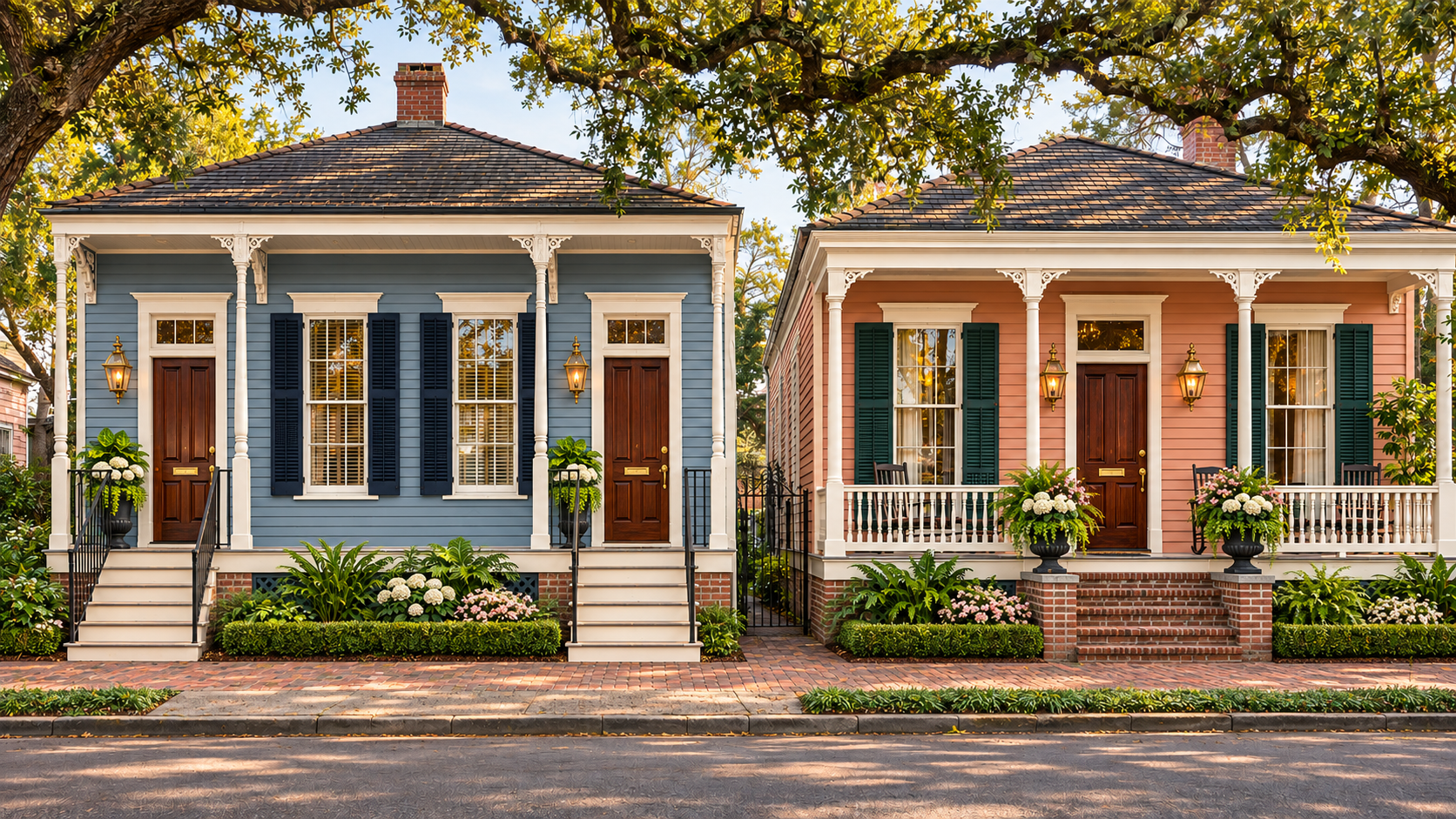
A New Orleans double can offer a compelling combination: a place to live, a second unit that produces income, and a building full of character. Eventually, though, the space next door may start looking like the extra bedrooms, larger kitchen, or home office you need.
Converting a double into a single-family home can make sense when the finished layout, total cost, and long-term plans line up. The tradeoff is significant: you are investing in a renovation while giving up a separate dwelling and its potential rental income.
Before buying a double to convert—or renovating one you already own—compare three options: keep it as a double, convert it, or sell and buy a home that already fits.
Start With the Life You Want the House to Support
A conversion may let you stay on a block you love while gaining privacy, storage, and room for daily life. It can also mean taking on a construction project when a move would solve the same problem.
Define what the extra space needs to accomplish. Is it a bedroom with its own hallway access? A larger living area? A quiet office? Room for guests without rearranging the entire household?
Our guide to a smarter move-up home search in New Orleans can help you compare renovating with buying another property. Give the renovation a clear job before assigning it a budget.
A Good Conversion Starts With a Floor Plan
Combining two units does not automatically produce a comfortable home. In a shotgun double, opening a connection between the sides may still leave bedrooms serving as passageways, awkward bathroom access, or a kitchen disconnected from the main living space.
Have a qualified designer evaluate circulation, bedroom privacy, natural light, storage, laundry placement, and access to the yard. Furnish the proposed plan on paper before approving it. A room can look generous without leaving enough space for furniture and a usable walkway.
Do not assume the dividing wall can simply come down. Have the appropriate structural professional evaluate proposed openings, supports, and the building’s condition. Review electrical, plumbing, and HVAC changes with qualified trades as part of the same scope.
The goal is a house that works naturally as one home. Combining existing space alone does not add square footage.
Verify Zoning, Permits, and the Address Change Early
Confirm the property’s legal unit count, zoning, permit history, and proposed use with the City before committing to a conversion. Two front doors or separate meters do not, by themselves, settle the legal status.
New Orleans requires permits for building alterations and occupancy changes. The City also specifically identifies converting a double to a single-family home as an example of an address-removal request requiring a Change of Use permit and Municipal Address Change Application Supplement M. Ask Safety and Permits which building and trade permits your complete project requires. City of New Orleans
Historic review is another consideration. Removing a front entrance, changing windows, or altering a porch may affect the exterior. Our historic district rules guide explains why the property’s designation matters. The HDLC reviews exterior work rather than interiors, but interior work can still need building permits. Confirm whether HDLC, the Vieux Carré Commission, or another review applies to your address. City of New Orleans
Also ask whether you could legally restore the second unit later. The City’s nonconforming-use rules can restrict returning to a less restrictive use after a change. Get a property-specific determination before treating reversibility as part of the investment plan. City of New Orleans
Budget for the Entire Project
A useful estimate starts with a defined scope and identifies what the contractor has excluded. Finish selections, system changes, and existing damage can produce very different budgets for buildings that look similar from the sidewalk.
| Budget category | What to include |
|---|---|
| Design and approvals | Measured plans, structural evaluation, engineering when needed, permits, and inspection fees. |
| Construction and systems | Openings, framing, kitchen changes, bathrooms, electrical work, plumbing, HVAC, and utility-service coordination. |
| Existing property condition | Foundation, roof, drainage, moisture, termite, and other repairs identified during evaluation. |
| Costs during construction | Loan payments, insurance, taxes, utilities, temporary housing, and income interrupted by the work. |
| Contingency | A reserve appropriate to the building’s condition, unresolved questions, and contractor’s scope. |
Separate expenses the project creates from ownership costs you would pay either way. That makes it easier to compare conversion with keeping the double or moving. If mortgage payments include escrowed taxes and insurance, avoid counting those amounts twice.
Put a Real Number on the Rental Income You Give Up
The second unit may be helping make ownership affordable. Converting it means the household must support the property without that rent.
For illustration, $1,500 in monthly rent equals $18,000 in scheduled annual rent. That is gross income, before vacancy, maintenance, replacement reserves, management, and other expenses. It is not $18,000 in profit.
Build complete budgets for both configurations using realistic rents and property-specific expenses. Include renovation borrowing, updated insurance quotes, and any operating costs that would actually disappear after conversion.
Our guide to how much cash flow a rental property should produce provides a starting framework. If income remains a priority, explore house hacking with a New Orleans double before removing that option.
Compare the Finished Home With the Right Sales
A conversion changes the property you will eventually market. Evaluate the existing double against comparable two-unit properties and the proposed finished home against comparable single-family homes.
Look closely at layout, condition, lot size, parking, outdoor space, and location. A polished conversion with awkward bedroom access may compete differently from a purpose-built single-family home with the same advertised room count.
Hypothetical example: A $100,000 project that increases estimated market value by $110,000 leaves a $10,000 difference before financing, carrying costs, and additional selling expenses. An overrun or a lower offer could erase it. These are invented figures to illustrate the calculation, not New Orleans construction estimates or an appraisal.
Our article on what affects home value in New Orleans explains why square footage alone cannot answer the resale question.
Bring the Lender and Insurer Into the Plan
Before purchasing or starting work, give your lender the current configuration, proposed unit count, renovation scope, and intended occupancy. Ask how the plan affects the loan, appraisal, and any rental income used to qualify.
Ask your insurance professional about coverage during renovation and after completion, including any period when the building will be vacant. Get estimates based on the proposed use; do not budget on an assumed premium reduction.
Keep permits, approved plans, inspection records, invoices, and warranties organized. Our guide to an insurance-ready New Orleans home explains the value of clear property documentation.
If a unit is occupied, review the lease, tenant obligations, and lawful procedures with a local attorney before setting the construction schedule.
Should You Convert Before Selling?
Start with a comparison of expected net proceeds from selling the double as it stands, making selective repairs, and completing a conversion. Include project time, financing, uncertainty, and the buyers likely to consider each version.
A buyer seeking rental income may value the second unit you are considering removing. A single-family buyer may value the completed layout, but the likely price still needs to justify the work.
If you are also considering keeping the property, read Should You Sell Your New Orleans Home—or Keep It as a Rental? before choosing a renovation strategy.
Make the Decision With Your Property’s Numbers
A double-to-single conversion can be worthwhile when it creates a home you want to occupy, fits a verified budget, and leaves you comfortable without the second unit’s income. Keeping the double or moving may offer a better fit when the renovation strains your finances or compromises an otherwise useful rental.
Frequently Asked Questions About Converting a New Orleans Double
Can I convert my New Orleans double into a single-family home?
A conversion may be possible, but the property’s zoning, legal unit count, existing condition, and proposed plans need review. Confirm the permitted use and required approvals with New Orleans Safety and Permits before purchasing a property around a conversion plan or starting construction.
Do I need permits to convert a double into a single-family home?
Yes. The City specifically identifies double-to-single conversions involving address removal as requiring a Change of Use permit and Municipal Address Change Application Supplement M. Additional building, electrical, plumbing, or mechanical permits depend on the work. Have Safety and Permits confirm the full requirements for your project. City of New Orleans
How much does a double-to-single conversion cost in New Orleans?
There is no single price that fits every property. Costs depend on the floor plan, structural changes, kitchens, bathrooms, building systems, and existing repairs. Obtain detailed estimates based on an actual design, then include permits, professional fees, contingency funds, and expenses during construction.
Will converting my double increase its resale value?
It may, but a higher sale price does not necessarily mean the renovation pays for itself. Compare the double’s current value with the projected value of the finished single-family home, then subtract the complete project costs. Our guide to what affects home value in New Orleans explains why layout and location matter.
Can I simply remove the wall between the two units?
Do not assume the wall can be removed without structural work. Have a qualified structural professional evaluate it before demolition. The design also needs to address circulation, bedroom privacy, and any electrical, plumbing, or HVAC changes needed to make the building function as one home.
Is it better to keep one side as a rental?
Keeping the rental may make sense if its income supports your ownership costs and the existing living space meets your needs. Compare complete budgets for both options, including vacancy, maintenance, reserves, and renovation financing. Our article on rental property cash flow can help you evaluate the income you would give up.
Can I convert the house back into a double later?
Not automatically. Restoring a second unit depends on zoning and the approvals available at that time. New Orleans rules can restrict returning to a previous nonconforming use after a change. Ask the City for a property-specific determination before assuming you can reverse the conversion. City of New Orleans
Do historic district rules apply to a double-to-single conversion?
Exterior changes may require historic approval, particularly if you plan to alter doors, windows, porches, or other architectural features. HDLC jurisdiction covers exterior work rather than interiors; building permits can still apply to interior renovations. Confirm the authority and requirements for your address, especially in the French Quarter. City of New Orleans
Should I speak with my lender and insurer before converting?
Yes. Explain the current unit count, proposed configuration, construction scope, and occupancy plans. Ask your lender how the project affects financing and any rental income used to qualify. Ask your insurer about coverage during construction, vacancy, and after completion, and obtain property-specific quotes.
Should I convert my double before putting it on the market?
Compare the expected net proceeds from selling as a double, making selective repairs, and completing a conversion. Include construction time, financing, lost rent, and the risk of overruns. A local market analysis can help determine whether likely buyers would value the second unit or a completed single-family layout more.
Contact Raymond Real Estate to compare your double’s current market position, the proposed conversion, and homes you could buy instead. A property-specific review can help you decide where your renovation dollars belong.
Check out this article next