

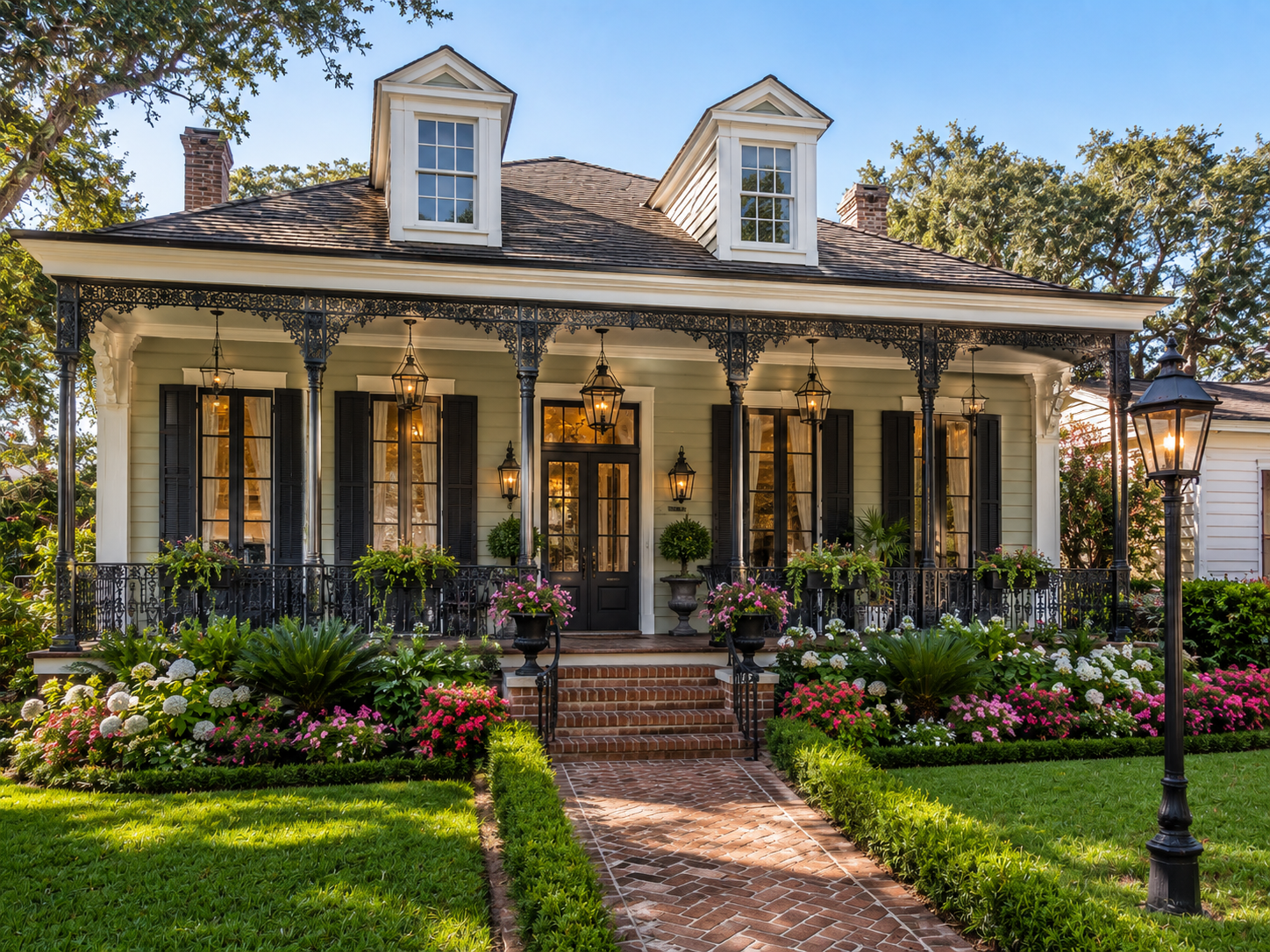
A buyer’s first impression begins before the front door opens. In New Orleans, where homes are often admired for their architecture, gardens, porches, and unmistakable street presence, the exterior does more than set a mood. It signals how the home has been cared for. If you want to boost curb appeal before selling, the goal is not to make your property look like every other home on the market. It is to present it at its most polished, inviting, and market-ready.
Thoughtful exterior preparation can strengthen listing photos, generate more interest before a showing, and give buyers greater confidence as they step inside. The right choices depend on your home’s style, condition, price point, and neighborhood. A historic Uptown residence calls for a different approach than a French Quarter condominium, a Lakeview renovation, or a Mid-City shotgun. What matters most is making each improvement feel intentional.
Start With the Buyer’s View From the Street
Before planning projects, stand across the street from your home and look at it as a buyer would. Notice what catches your eye first. Is it the architecture, a gracious front porch, mature landscaping, or a beautifully painted façade? Then notice the distractions: overgrown shrubs, a stained walkway, faded trim, clutter near the entry, or a roofline obscured by branches.
This exercise helps separate improvements that add value from projects that simply consume time and money. Sellers sometimes focus on a major landscaping overhaul while overlooking a crooked mailbox, dead porch light, or dirty front windows. Buyers may not consciously identify every small issue, but together they can make a home feel less maintained.
Ask your real estate advisor to provide an objective exterior walk-through before listing. A knowledgeable local perspective is especially useful in New Orleans, where buyers often place real value on original details, historic character, and the relationship between a home and its streetscape.
Cleanliness Is the Fastest Way to Boost Curb Appeal
A clean exterior is one of the highest-return preparations a seller can make. New Orleans heat, humidity, rain, and tree cover can leave mildew, pollen, leaves, and grime on surfaces quickly. A home that looked fresh six months ago may need attention before photography and showings.
Start with the hard surfaces. Pressure wash sidewalks, driveways, brick paths, steps, fences, and patios when appropriate for the material. Use care around older brick, painted wood, historic masonry, and delicate trim, where aggressive pressure can cause damage. Professional cleaning may be the better choice for an older property or a larger façade.
Clean windows inside and out, including transoms and sidelights near the entry. Clear gutters, remove cobwebs from porch ceilings, and sweep away leaves from corners and garden beds. These are modest details, but they communicate order and care. They also allow buyers to focus on the home’s best features rather than deferred maintenance.
Make the Front Entry Feel Considered
The front door is the visual center of the arrival experience. It should look well maintained, operate smoothly, and suit the home’s architecture. For many sellers, a fresh coat of paint is one of the most effective exterior updates available. Deep navy, classic black, soft green, and rich red can work beautifully, but the best color depends on the façade, shutters, ironwork, and neighborhood character.
Avoid choosing a color solely because it is trendy. A highly modern shade may feel out of place on a traditional Victorian, Creole cottage, or raised center-hall home. If the existing door has attractive original wood, careful refinishing may be more compelling than paint.
Complete the entry with polished hardware, a working doorbell, visible house numbers, and a clean, appropriately sized doormat. Replace a dated porch light or burned-out bulb with a fixture that complements the home rather than competes with it. At evening showings, warm exterior lighting should make the path and entry easy to navigate without creating harsh glare.
Let Landscaping Frame the Home, Not Hide It
Landscaping should direct attention toward the house. Trim shrubs away from windows, railings, and walkways, and cut back branches that block the façade or make the property feel shaded and closed off. Remove dead plants, fallen limbs, empty pots, and garden décor that has seen better days.
Fresh mulch can make beds look cared for almost immediately, particularly around mature trees and foundation plantings. Add color selectively with healthy seasonal flowers or leafy container plants near the entry. In New Orleans, lush planting can be an asset, but restraint matters. Buyers should see a graceful garden, not a landscape that appears difficult to manage.
Water features, fountains, and pools deserve special attention. If they are present, they should be clean and operating properly. If a feature is not working, it can become a liability in a buyer’s mind. The same principle applies to irrigation systems, gates, and outdoor lighting: repair or remove what is visibly broken.
Respect the Architecture and the Neighborhood
Curb appeal is not about making every home look newly built. It is about presenting its particular character with confidence. Original shutters, ornamental brackets, decorative vents, wrought-iron railings, and porch columns can be meaningful selling features when they are cleaned, repaired, and painted appropriately.
For historic homes, replacing original elements with inexpensive modern materials can diminish charm rather than improve it. A vinyl-looking light fixture or generic house numbers may be practical, but they can feel disconnected from a home with authentic architectural detail. When repairs are needed, consider whether restoration, refinishing, or a period-appropriate replacement will better support the property’s value.
There is also a practical trade-off. Not every seller needs to invest in extensive restoration before listing. If an exterior project requires substantial time, permits, or specialized work, the likely return should be evaluated against the listing timeline and buyer expectations at that price point. A strong pricing and marketing strategy can sometimes accomplish more than an expensive project with limited buyer impact.
Prepare for Photography, Not Just Showings
Online presentation makes curb appeal especially important. Your exterior is often the first image a buyer sees, and it may determine whether they schedule a showing. Before professional photography, remove trash bins, hoses, vehicles, delivery boxes, yard signs unrelated to the sale, and personal items from the porch.
Timing matters. A front exterior photographed in favorable light can make color, landscaping, and architectural details look their best. Your listing team should consider the direction the house faces and schedule photography accordingly. Twilight images can be particularly effective for homes with appealing porch lighting, landscape lighting, pools, or strong architectural lines, though they should complement rather than replace clear daytime images.
For condominium sellers, curb appeal begins at the building entrance. A clean lobby, maintained landscaping, secure entry, clear signage, and attractive common areas influence a buyer’s perception before they ever reach the unit. If building maintenance is outside your control, your agent can help position the residence around its strongest features while setting appropriate expectations.
Address Small Repairs Before Buyers Find Them
Buyers tend to scrutinize a home more closely when they notice visible neglect outside. A peeling handrail, loose shutter, sagging screen, damaged step, or missing section of fence may be a minor repair, but it can prompt questions about larger maintenance issues.
Walk the property with a practical checklist in mind. Confirm gates latch, railings feel secure, exterior faucets do not drip, screens are intact, and the mailbox is stable. Look up at soffits, eaves, gutters, and roof edges for obvious problems. Repair cracked walkways or uneven steps when they create a safety concern. These efforts do not need to turn into a full renovation, but they should remove avoidable doubts.
Invest Where Buyers Will Feel the Difference
The best exterior improvements are often straightforward: cleaning, painting, trimming, lighting, and minor repairs. Major projects can be worthwhile when the home has a clear deficiency, such as a deteriorated roof, failing driveway, or severely neglected landscaping. Otherwise, sellers should be cautious about over-improving beyond neighborhood expectations.
A tailored pre-listing plan is more valuable than a one-size-fits-all formula. Raymond Real Estate helps sellers evaluate which updates will strengthen presentation, support the home’s positioning, and make the most of the time before launch.
A well-prepared exterior gives buyers a reason to pause, look closer, and imagine coming home. That moment of confidence at the curb can carry through the entire showing, making every carefully prepared room inside feel more convincing. Learn More
FAQs: How to Boost Curb Appeal Before You Sell
Why is curb appeal important when selling a home?
Curb appeal creates a buyer’s first impression before they ever walk through the front door. A clean, attractive exterior can make a home feel better maintained, increase buyer interest, and help your listing stand out online and in person.
What are the easiest ways to improve curb appeal?
Start with simple improvements such as mowing the lawn, trimming shrubs, removing weeds, pressure washing walkways, cleaning windows, and clearing clutter from the porch and driveway. These relatively inexpensive updates can make a noticeable difference.
Should I repaint the front door before selling?
If the door is faded, scratched, or outdated, a fresh coat of paint can be an excellent upgrade. Choose a color that complements the exterior of the home and creates a welcoming focal point.
Does landscaping really affect a home’s value?
Well-maintained landscaping can improve the perceived value of a property. Fresh mulch, trimmed greenery, seasonal flowers, and a healthy lawn can make the entire property appear more polished and cared for.
Should I pressure wash the exterior?
Yes, when appropriate. Pressure washing driveways, sidewalks, patios, fences, and certain exterior surfaces can remove years of dirt and mildew and instantly make the property look cleaner. Be careful with delicate siding, stucco, or painted surfaces that could be damaged by excessive pressure.
What should I do with my front porch?
Keep it simple and inviting. Remove unnecessary furniture and personal items, sweep and clean the area, replace worn doormats, and consider adding a few tasteful plants or updated outdoor lighting.
Are exterior light fixtures worth replacing?
They can be. Rusted, dated, or damaged fixtures can make an otherwise attractive exterior feel neglected. Modern, appropriately sized fixtures are a relatively inexpensive way to refresh the appearance of the home.
Should I replace my house numbers or mailbox?
If they are worn, faded, or outdated, replacing them is an easy improvement. Coordinating finishes between the house numbers, mailbox, door hardware, and exterior lighting can give the property a more cohesive appearance.
How much should I spend on curb appeal before selling?
Focus first on improvements that are inexpensive and highly visible. Cleaning, landscaping, touch-up painting, and minor repairs often provide more value than completing expensive exterior renovations immediately before listing.
What exterior repairs should I address before listing?
Look for cracked siding, peeling paint, damaged screens, loose shutters, broken fencing, clogged gutters, missing shingles, and deteriorated trim. Buyers often notice deferred maintenance quickly, and small exterior issues can raise questions about larger problems.
How can I make my home look better in listing photos?
Clean up landscaping, remove vehicles and trash cans, hide hoses and lawn equipment, straighten outdoor furniture, and make sure the entryway looks welcoming. Since many buyers first discover a home online, strong exterior photos can directly influence whether they schedule a showing.
When should I start improving curb appeal?
Ideally, complete exterior improvements before professional listing photos are taken. This ensures buyers see the property at its best from the moment the listing goes live.
What curb appeal improvements matter most in New Orleans?
For New Orleans-area homes, buyers often notice porches, shutters, landscaping, exterior paint, fencing, walkways, drainage, and the condition of architectural details. Preserving the character of the property while making the exterior look clean and well maintained can be especially effective.
Can a real estate agent help determine which improvements are worth making?
Yes. An experienced local real estate professional can help identify the improvements buyers are most likely to notice and recommend where to spend—and where not to spend—before putting the home on the market.
Check out this article next