
Step into a high-end showing today, and the shift is obvious. The most compelling luxury home design trends are no longer about excess for its own sake. Buyers are responding to homes that feel intentional, private, and deeply livable - spaces with architectural presence, yes, but also comfort, flexibility, and a strong sense of place.
That matters in New Orleans, where design carries extra weight. Buyers here often want more than square footage and premium finishes. They want character, a layout that supports real life, and details that respect the architecture of the neighborhood while still feeling current. For sellers, that means understanding which updates read as genuinely elevated and which ones already feel dated.
Luxury home design trends are getting warmer
For several years, high-end interiors leaned heavily on cool palettes, sharp contrast, and a very polished minimalism. That look still appeals in some contemporary properties, especially certain condominiums and newer construction, but the broader market has moved toward something softer.
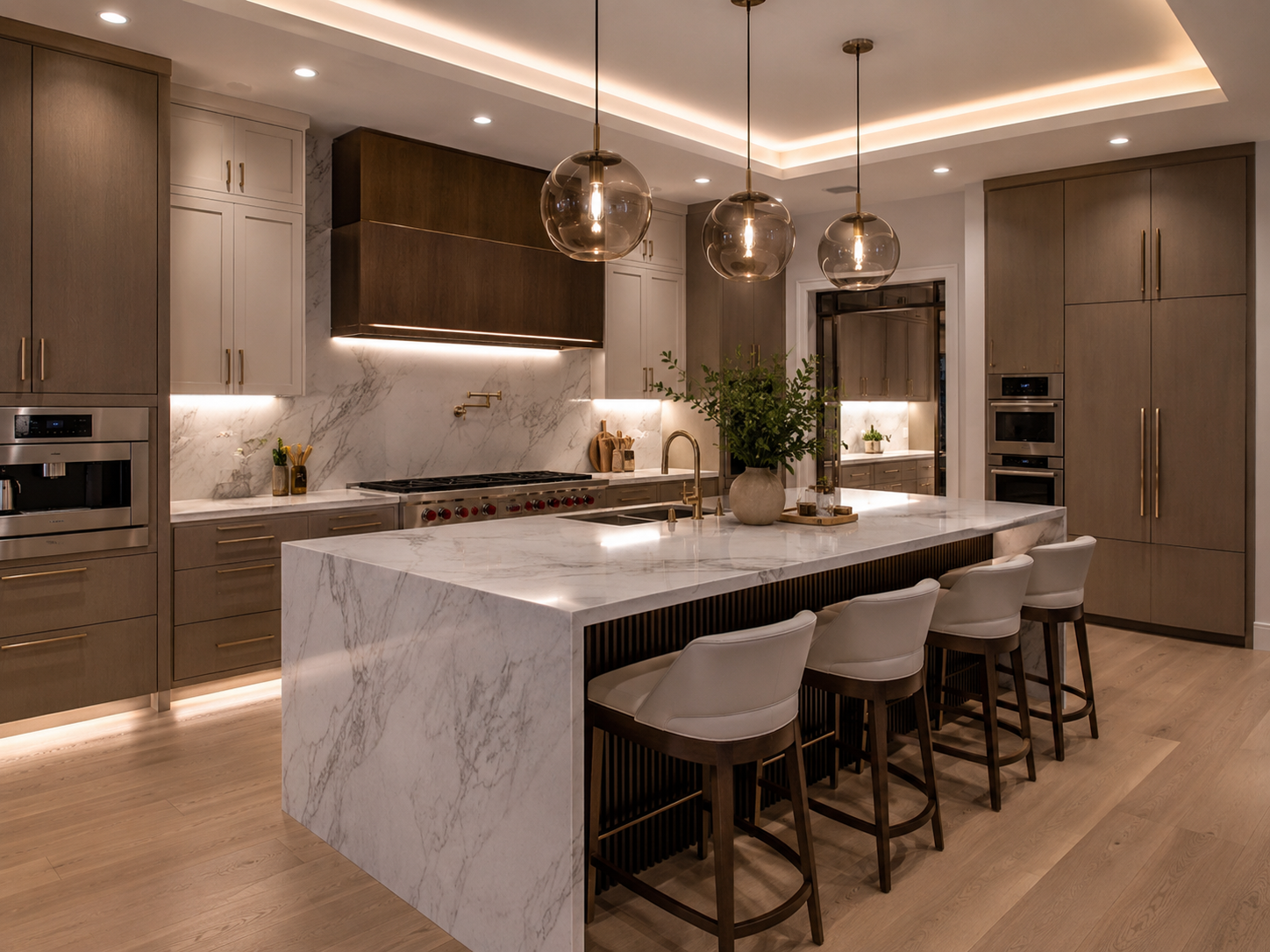
Warmer wood tones, natural stone with visible movement, plaster finishes, and layered neutrals are defining many of today’s most appealing luxury spaces. White kitchens are not gone, but bright white on white on white is giving way to creamier palettes, oak cabinetry, walnut accents, and mixed materials that add depth. The effect is more relaxed and more enduring.
This shift makes sense in a city like New Orleans. Historic homes, older millwork, and architectural detail often pair better with warmth than with an overly stark renovation. A home can still feel refined while embracing materials that look like they belong there.
Kitchens are still the headline room, but the priorities have changed
Luxury kitchens remain a major value driver, but buyers are looking past showpiece appliances alone. The question now is how the kitchen performs throughout the day.
A well-designed luxury kitchen often includes concealed storage, generous prep space, integrated refrigeration, and lighting that works for both entertaining and everyday use. Large islands still matter, but proportion matters more. An oversized island in a tight footprint can make a room feel awkward rather than impressive.
There is also more interest in secondary support spaces. Sculleries, walk-in pantries, coffee stations, and discreet catering zones are increasingly attractive because they keep the main kitchen polished without sacrificing function. In a city known for gatherings and hospitality, that kind of layout can resonate strongly.
For sellers considering updates, this is where restraint pays off. Buyers tend to notice quality cabinetry, thoughtful storage, and cohesive material choices more than trend-driven fixtures that may date quickly.
Statement stone is replacing decorative clutter
One of the clearest visual shifts in luxury interiors is the move toward fewer accessories and stronger permanent finishes. Full-height stone backsplashes, heavily veined marble or quartzite, and substantial range walls are doing more of the visual work.
That approach creates a cleaner look, but it also signals investment. When the materials are exceptional, a room does not need constant styling to feel complete.
Privacy and retreat spaces are now expected
The modern luxury buyer is often looking for a home that supports more than one mode of living at once. It needs to entertain well, work well, and offer quiet when needed. Open-concept living has not disappeared, but completely open layouts have lost some of their appeal.
Today’s stronger floor plans create separation without feeling closed off. That may mean a library with doors, a private office that is genuinely functional, a media room, or a primary suite that feels removed from the social spaces. In larger homes, dual offices are increasingly valuable. In condos and smaller luxury properties, even a well-designed niche for focused work can make a difference.
This is one of the most practical luxury home design trends because it speaks directly to how people actually live. Buyers want homes that feel elegant, but they also want spaces that reduce friction.
Indoor-outdoor living is becoming more refined
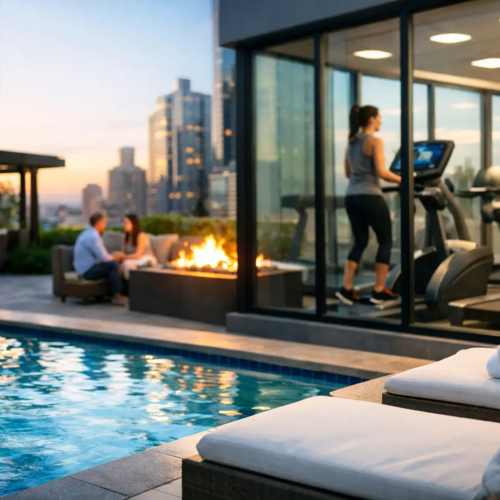
Outdoor space has long carried premium value, but expectations have risen. A simple patio is no longer enough in many luxury price points. Buyers are drawn to outdoor areas that feel designed, not incidental.
That could mean covered entertaining space, a summer kitchen, integrated lighting, water features, or landscaping that creates privacy without excessive maintenance. In New Orleans, courtyards, balconies, and porches have always been part of the architectural conversation, but the most successful homes use them as true extensions of the interior.
The trade-off, of course, is upkeep. Not every buyer wants a large garden or a highly programmed backyard. In some segments, especially urban luxury and condo living, low-maintenance outdoor space is more desirable than a large one. The most appealing setup depends on the buyer profile and the neighborhood.
Wellness is moving from luxury add-on to design standard
Wellness design used to show up mostly in very high-end custom homes. Now it is influencing broader luxury expectations. Buyers are paying attention to natural light, air flow, acoustics, and spaces that support rest and routine.
Primary bathrooms are a clear example. They are becoming calmer and more architectural, with oversized showers, soaking tubs, layered lighting, and better material continuity. Home gyms, infrared saunas, cold plunge setups, and dedicated meditation or yoga rooms appear more often as well, though these features still depend on price point and square footage.
Even when a home does not include dedicated wellness rooms, buyers respond to a general sense of ease. A bedroom with blackout treatments, good proportions, and minimal noise can feel more luxurious than a room packed with expensive but unnecessary features.
Smart home features need to feel invisible
Technology still matters in luxury properties, but the best systems fade into the background. Buyers appreciate integrated audio, security, climate control, and lighting automation when they are intuitive and dependable.
What they do not want is complexity for the sake of complexity. A home with sophisticated systems that require constant troubleshooting can feel less luxurious, not more. The strongest smart-home upgrades are the ones that make daily life simpler without dominating the design.
Authentic character is outperforming generic luxury
This may be the most important shift of all, especially in a market with as much architectural identity as New Orleans. Buyers are increasingly selective about homes that look expensive but feel interchangeable.
Generic luxury often leans on predictable finishes, oversized fixtures, and trends that could belong to any city. Authentic luxury is more specific. It responds to the home’s architecture, scale, and setting. In a historic property, that might mean preserving ceiling medallions, original doors, or old-growth floors while updating kitchens and baths with discipline. In a contemporary residence, it might mean cleaner lines, larger panes of glass, and a stronger connection to outdoor space.
The point is not to make every home traditional or modern. It is to make the design feel coherent. Buyers notice when renovations respect the structure rather than fighting it.
Sustainability is becoming part of the luxury conversation
Energy efficiency and durable construction are not just practical concerns anymore. They are increasingly associated with quality. Better windows, improved insulation, efficient HVAC systems, induction cooking, solar readiness, and lower-maintenance materials all support a more thoughtful version of luxury.
In older homes, the equation can be more complicated. Buyers may accept some inefficiency in exchange for architectural significance, but they still appreciate upgrades that improve comfort and operating costs without stripping away character. This is one of those areas where smart, well-executed improvements tend to outperform flashy cosmetic changes.
What buyers and sellers should take from these luxury home design trends
If you are buying, the strongest luxury homes today are often the ones that balance beauty with clarity. They feel elevated immediately, but they also hold up under closer inspection. The floor plan makes sense. The materials are credible. The design feels considered rather than overly staged.
If you are selling, not every trend deserves your budget. The better strategy is usually to focus on the areas buyers perceive most clearly: kitchens, baths, lighting, paint, flooring condition, and outdoor presentation. Beyond that, cohesion matters more than chasing every new idea. A well-prepared home with a confident design point of view typically shows better than one filled with expensive but disconnected upgrades.
For clients navigating the New Orleans market, this is where local perspective matters. Design value is never entirely universal here. What works in a sleek condo in the Warehouse District may not be the right choice for a historic Uptown home, and a renovation that feels compelling in one neighborhood can feel out of place in another.
The most successful homes are the ones that understand the assignment. They offer comfort without compromise, quality without overstatement, and a sense that every design choice was made on purpose. That is what buyers remember after the showing ends. Learn More
Check out this article next