

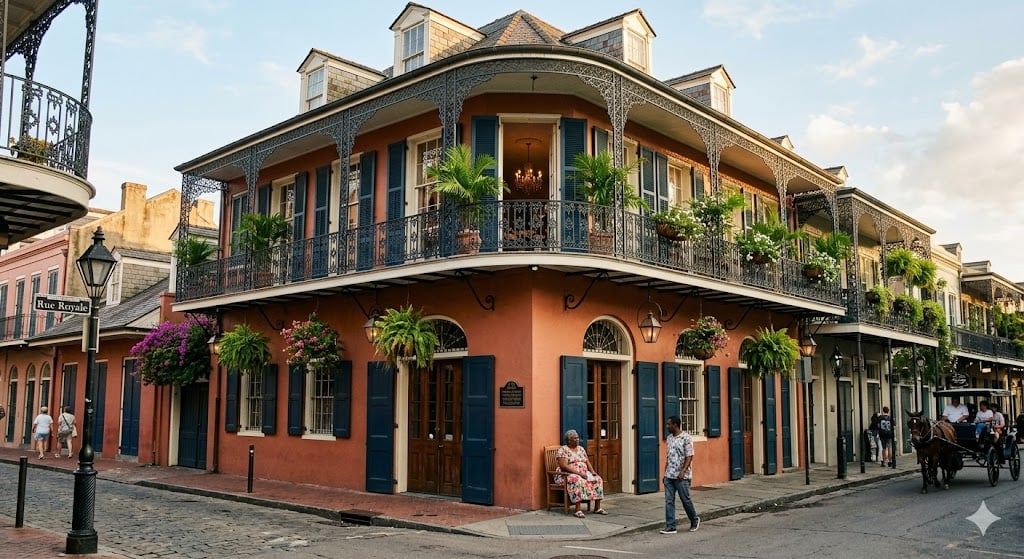
A wrought-iron balcony, original wood floors, a courtyard hidden behind a gate - in New Orleans, historic charm is not a marketing phrase. It is often the deciding factor in where someone wants to live. If you are searching for the best historic districts New Orleans has to offer, the right choice depends on more than beauty alone. It comes down to architecture, walkability, daily convenience, flood risk, renovation realities, and how you want your life to feel once the novelty wears off and it becomes home.
For buyers, that distinction matters. A district can be visually stunning and still not suit your priorities. Another may have fewer postcard moments but offer a stronger long-term fit, especially if you want more space, easier parking, or a better balance between character and practicality.
What makes the best historic districts in New Orleans stand out
New Orleans historic districts are not interchangeable. Some are dense and urban, with attached homes, mixed-use buildings, and steady foot traffic. Others are quieter and more residential, with larger lots, porches, and a slower rhythm. Preservation rules, insurance costs, and property condition can also vary significantly from one area to the next.
For most buyers, the sweet spot is a neighborhood that preserves the city’s architectural identity without making ownership feel unnecessarily difficult. That could mean a well-maintained condo in a landmark building, a Creole cottage with tasteful updates, or a larger historic home where the renovation work has already been done well.
1. French Quarter
The French Quarter is the city’s most recognized historic district, and for some buyers it is exactly the point. If you want to live in a place with global name recognition, layered architecture, and a truly one-of-a-kind streetscape, there is no substitute.
From Creole townhouses to converted residences tucked above courtyards, the housing stock here is rich in detail and often limited in supply. Buyers are drawn to the intimacy of the blocks, the preserved facades, and the sense that every property has a story. Condominiums are especially appealing for those who want historic surroundings with a more manageable ownership experience.
The trade-off is lifestyle. This is not the district for someone seeking quiet nights, easy parking, or expansive square footage. It works best for buyers who value walkability, culture, dining, and architectural prestige more than suburban-style convenience. Explore the French Quarter
2. Garden District
When people imagine classic New Orleans residential elegance, they are often picturing the Garden District. Wide streets, mature oak trees, deep setbacks, and grand historic homes define the area. It offers a polished version of historic living, with architectural significance and strong neighborhood identity.
The Garden District attracts buyers who want statement properties and a refined residential setting close to the city’s core. Large homes, many with substantial renovation histories, can appeal to move-up buyers and luxury purchasers who want beauty with presence.
That said, entry points here are high, and maintenance expectations can be equally serious. Owning a historic home of this scale requires both financial planning and a realistic understanding of upkeep. For the right buyer, it is worth it. For others, the district may be better admired than pursued. Explore the Garden District
3. Uptown
Uptown earns its place among the best historic districts New Orleans buyers consistently consider because it offers range. The neighborhood includes beautiful historic homes, classic New Orleans architecture, and a more lived-in, practical residential feel than some of the city’s more visitor-facing districts.
This is where many buyers find a compelling middle ground. You can still get historic character - think columns, porches, detailed millwork, and shotguns with architectural personality - while also gaining access to schools, neighborhood shopping, and a more traditional residential routine. For professionals and families, that combination has lasting appeal.
Uptown is also broad enough that block-by-block differences matter. Some sections feel quiet and deeply residential, while others have more activity and easier access to commercial corridors. Buyers who take the time to match micro-location with lifestyle usually make the strongest decision here. Explore Uptown
4. Marigny
The Marigny offers historic architecture with a more eclectic, creative energy. It appeals to buyers who love the city’s older housing stock but want something less formal than the Garden District and less intense than the French Quarter.
Colorful facades, Creole cottages, and shotgun homes contribute to the area’s visual identity. There is often a strong sense of individuality in both the homes and the streetscape. Buyers who want authenticity, walkability, and proximity to music and dining often look here first.
As with many sought-after historic neighborhoods, pricing can reflect that demand. Condition also varies. Some homes are beautifully updated, while others require significant work. The opportunity is real, but so is the need for careful due diligence on structure, systems, and renovation quality. Explore Marigny
5. Bywater
Bywater has developed a reputation for buyers who want historic housing with personality and a less formal neighborhood feel. It shares some architectural DNA with the Marigny but has its own rhythm, often attracting people who prioritize creativity, design, and a strong local identity.
Historic cottages and shotguns remain central to the housing mix, and many properties have been renovated in ways that blend original character with modern interiors. For some buyers, that creates an ideal balance. You still get old New Orleans proportions and charm, but the living experience can feel more current.
The nuance is that popularity changes a market. As demand grows, value expectations rise, and buyers need to look carefully at whether pricing aligns with location, finish quality, and long-term goals. A charming home is not automatically a wise purchase if the numbers or the block do not support it. Explore Bywater
6. Irish Channel
The Irish Channel is often a smart choice for buyers who want historic New Orleans character in a neighborhood that still feels approachable relative to some marquee districts nearby. Its housing stock includes many classic cottages and shotguns, and the area has a strong residential identity.
What makes the Irish Channel attractive is its balance. It offers charm and location without always requiring the same budget as the Garden District. It can work well for first-time buyers moving into historic property ownership, as well as for purchasers who want proximity to shopping, dining, and major corridors.
Still, historic ownership here demands the same discipline it does elsewhere. Foundation issues, deferred maintenance, and insurance considerations do not disappear just because the house is appealing. Buyers who succeed in this district tend to be the ones who appreciate character but stay rigorous about inspection and valuation.
7. Treme
Treme holds a singular place in New Orleans history, and for buyers who care deeply about cultural significance, it carries weight beyond architecture alone. The neighborhood’s historic importance is inseparable from the story of the city itself.
Housing here can appeal to buyers seeking a meaningful connection to place and a neighborhood with enduring identity. Architectural character is part of the draw, but so is the sense of legacy. For some purchasers, that makes ownership feel more personal than transactional.
As with any historic district in transition or renewal, it is wise to assess each block and property on its own merits. The right purchase in Treme is often about both vision and discipline - seeing the neighborhood’s value while evaluating renovation quality, price support, and long-term fit. Explore Treme
How to choose among the best historic districts New Orleans offers
The right district is usually the one that matches your daily life, not just your saved photos. If you want iconic prestige and architectural grandeur, the Garden District may lead the list. If you want walkable history and condominium options, the French Quarter may be a better fit. If your priority is a residential neighborhood with historic depth and broader lifestyle flexibility, Uptown often stands out.
Buyers should also be honest about maintenance tolerance. A beautifully preserved home with old systems, strict exterior requirements, and ongoing upkeep is rewarding, but it is not casual ownership. If convenience matters more, a renovated historic condo or a smaller home with major updates may provide a better experience than a larger house that still needs substantial work.
Insurance, flood exposure, parking, and renovation quality should all be part of the conversation early. In New Orleans, those are not side details. They directly shape both cost and livability.
A historic home should fit your future, not just your taste
Historic districts have emotional pull, and that is part of their value. People do not buy these homes only for square footage. They buy them for texture, presence, craftsmanship, and the feeling that their address says something meaningful about how they want to live.
The strongest purchase is usually the one where charm and practicality meet. That means looking past the first impression and understanding how the district performs for your budget, routine, and long-term plans. For buyers who want expert guidance through that process, especially in a market this nuanced, working with a local brokerage that understands both the romance and the reality of historic property can make all the difference.
New Orleans gives you rare choices. The right historic district is the one that still feels right on an ordinary Tuesday morning, not just during an open house.
Check out this article next