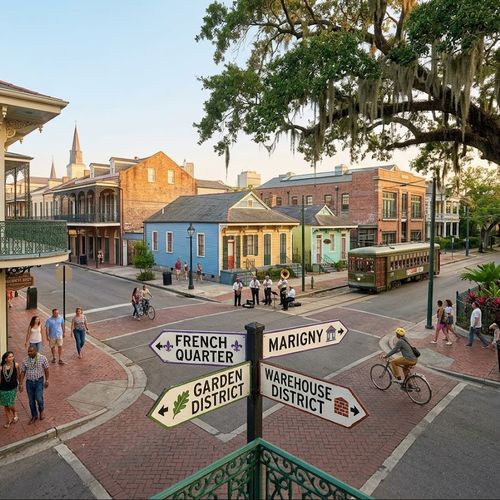

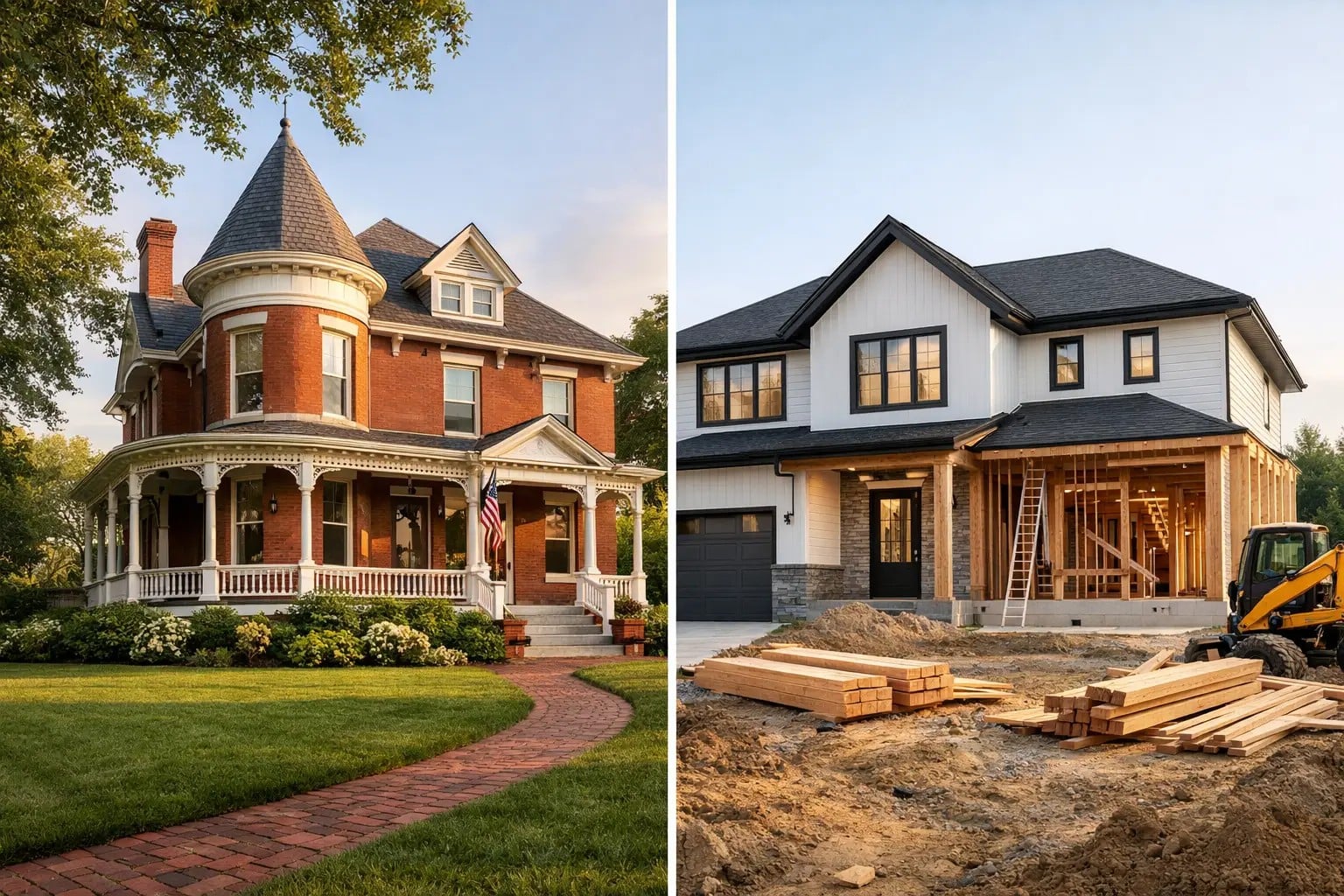
On one block in New Orleans, you can stand in front of a 120-year-old shotgun with original millwork, then turn the corner and tour a newly built home with open living spaces, elevated systems, and lower maintenance. That contrast is exactly why the historic home vs new construction decision feels so personal here. In most cities, this is a style choice. In New Orleans, it is also a lifestyle, budget, insurance, and long-term ownership decision.
For some buyers, history is the point. They want heart pine floors, ceiling medallions, deep front porches, and a home that feels connected to the neighborhood around it. For others, the appeal of new construction is practical and immediate - modern systems, stronger energy performance, fewer surprise repairs, and floor plans that match how people live now. Neither path is universally better. The right choice depends on how you want to live, what kind of maintenance you can absorb, and how comfortable you are with the realities of this market.
Historic home vs new construction in New Orleans
New Orleans makes this comparison more nuanced than it might be elsewhere. Historic homes here are not niche inventory. They define entire neighborhoods and shape the city’s identity. At the same time, new and newer construction has become increasingly attractive to buyers who want efficiency, convenience, and more predictable ownership costs.
A historic home often delivers what new construction cannot easily replicate: architectural detail, mature streetscapes, central locations, and a sense of permanence. In neighborhoods like the Garden District, Uptown, the Marigny, and parts of Mid-City, historic homes are part of the reason buyers fall in love with the city in the first place.
New construction, by contrast, often wins on the details you notice after move-in. Better insulation. Updated wiring and plumbing. Higher ceilings paired with open kitchens and larger closets. In a city where climate, moisture, and storm resilience matter, those advantages can carry real financial value over time.
What you are really buying
When buyers compare a historic property to a newly built one, they often focus first on appearance. That makes sense, but it is only part of the picture.
With a historic home, you are often buying character and location first, then taking on a more active ownership role. These homes can ask more of you. Wood windows may need periodic restoration. Older foundations can shift. Plaster cracks may be cosmetic, or they may point to larger movement that deserves inspection. Even when a historic home has been beautifully renovated, older structures tend to require a more attentive mindset.
With new construction, you are usually buying simplicity and predictability. The finishes may be clean and current, but the deeper value is often in what you do not have to think about right away. Roof age, HVAC life span, electrical capacity, and plumbing materials are less likely to become immediate issues. For busy professionals, frequent travelers, and buyers who want a lower-maintenance primary residence, that peace of mind matters.
Cost is more than the purchase price
The historic home vs new construction conversation can get misleading when it stays focused on list price alone. Monthly and long-term ownership costs are just as important.
Historic homes can come with higher maintenance costs, and in New Orleans, insurance can be a major factor. Older roofs, aging systems, and certain construction types may affect premiums. If the home is in a flood-prone area, flood insurance considerations become part of the budget conversation as well. Add the possibility of specialized repairs or preservation-minded updates, and the financial picture can change quickly.
New construction may command a higher upfront price per square foot in some cases, but lower maintenance and more efficient systems can offset part of that premium. Buyers should still review insurance carefully. Newer homes are not automatically inexpensive to insure, but updated materials and code-compliant construction can sometimes improve the outlook.
This is where clear guidance matters. A home that seems more affordable on paper may not feel that way after insurance, utility costs, and deferred repairs enter the equation.
The lifestyle question buyers sometimes miss
A smart purchase is not only about what you can afford. It is about what you will enjoy owning.
Historic homes tend to reward buyers who appreciate detail, individuality, and the idea that a home may evolve over time. You may need patience for projects. You may have to accept that no closet is quite large enough and no room is perfectly square. But in return, you get spaces with depth, texture, and personality that many buyers find impossible to duplicate.
New construction tends to suit buyers who want ease. The floor plans are often more intuitive for modern living, with larger kitchens, more storage, and better integration between indoor and outdoor spaces. If you work from home, entertain frequently, or prefer to spend weekends enjoying the city rather than managing a house, newer construction can be a very strong fit.
Neither preference is shallow. A home should support your life, not complicate it.
How inspections differ between old and new
Every buyer should take inspections seriously, but the focus changes depending on the property.
In a historic home, inspections need to be particularly thorough. Foundation movement, moisture intrusion, old plumbing lines, electrical updates, roof condition, drainage, and prior renovation quality all deserve close attention. In New Orleans, it is also wise to understand how the home has performed over time, not just how it appears on showing day.
For new construction, buyers should not assume that new means flawless. Builder quality varies. So does attention to detail. A new home inspection can reveal issues with grading, window installation, HVAC performance, roof details, or finishing work that should be addressed before closing or within warranty periods.
The key difference is this: with historic homes, the goal is often to understand age and future obligations. With new construction, the goal is often to verify execution.
Resale value depends on the buyer pool
Both historic homes and new construction can perform well in resale, but they appeal to different buyers.
A well-located historic home with preserved architectural character can hold strong emotional and market appeal. Buyers are often willing to pay for authenticity, especially in established neighborhoods where inventory is limited. That said, resale can become more sensitive if the home has major deferred maintenance, awkward functionality, or insurance challenges.
New construction tends to attract buyers who prioritize convenience and updated systems. This can broaden the buyer pool, particularly among relocation buyers, younger professionals, and households that want a more turnkey experience. The caution here is that not all new construction ages equally well. Design choices, build quality, and neighborhood context affect how competitive the home remains over time.
The strongest resale candidates in either category usually have the same things working in their favor: a good location, smart upkeep, and a floor plan that meets real buyer demand.
Historic home vs new construction: which buyer tends to be happier?
The happiest historic-home buyers usually go in with open eyes. They love the architecture, they budget realistically, and they do not expect an antique home to behave like a brand-new one. They see stewardship as part of the privilege.
The happiest new-construction buyers tend to value efficiency, predictability, and comfort. They want a home that fits daily life without asking for much in return, at least in the early years. They are often less interested in romance and more interested in functionality.
Problems usually arise when buyers choose against their own instincts. The person who dreams of old-world charm but buys new for convenience may keep comparing their home to the historic one they passed up. The buyer who adores historic details but underestimates maintenance may feel overwhelmed within the first year.
The best decision is usually neighborhood-first
In New Orleans, the property type should not be separated from the neighborhood. A historic home in a walkable, deeply loved area may offer a lifestyle that outweighs extra maintenance. A new construction home in the right setting may provide modern comfort without sacrificing access, character, or long-term value.
That is why this decision is rarely solved by a spreadsheet alone. The right answer comes from aligning architecture, budget, block, and daily routine. Buyers who take the time to compare not just homes, but ownership experiences, tend to make stronger decisions and feel better about them years later.
At Raymond Real Estate, that is often where the conversation becomes most useful - not simply choosing between old and new, but understanding which option fits your version of New Orleans best.
If you are weighing charm against convenience, do not rush to pick the home that looks best on first showing. The better move is choosing the one you will still feel confident owning after the romance, and the closing, are behind you. Learn More
Check out this article next