

The ongoing conflict involving Iran in 2026 may seem far removed from New Orleans—but in today’s global economy, what happens overseas directly impacts your ability to buy, sell, or invest in real estate locally.
From rising mortgage rates to higher insurance and construction costs, the ripple effects are already being felt across Louisiana—and especially in a dynamic market like New Orleans.
Let’s break down exactly what’s happening and what it means for buyers, sellers, and investors right now.
The Global Trigger: Oil Prices and Economic Shock
The biggest connection between the Iran war and real estate comes down to one word: oil.
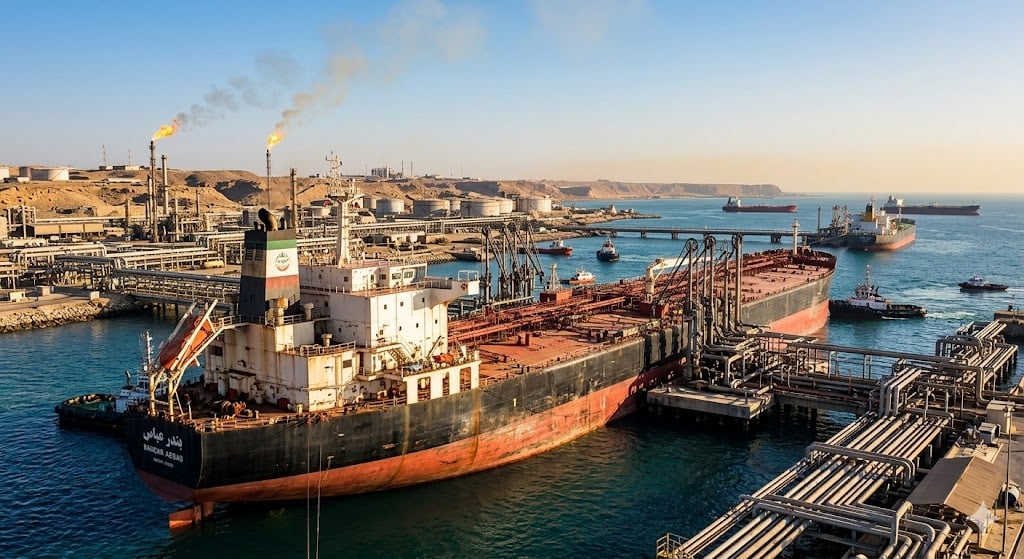
The conflict has disrupted global oil supply routes, particularly through the Strait of Hormuz—one of the most critical shipping lanes in the world. As a result:
- Oil prices surged past $100+ per barrel
- Gas prices in the U.S. climbed above $4 per gallon
- Inflation pressures increased across the economy
This matters because oil impacts nearly every part of real estate, from construction to transportation to daily living costs.
Mortgage Rates Are Rising Again
One of the most immediate effects on the housing market is higher mortgage rates.
- The average 30-year mortgage jumped to around 6.46% due to inflation fears tied to the conflict
- Rates had previously dropped below 6% before the war began
- Volatility has increased, making timing the market more difficult
Higher rates mean:
- Lower buying power for New Orleans buyers
- Fewer qualified first-time homebuyers
- Slower transaction volume across the market
Even a small increase in rates can significantly impact monthly payments—especially in price-sensitive markets.
Construction Costs Are Increasing
Builders and developers in New Orleans are also feeling pressure.
Because of the war:
- Material costs (steel, aluminum, fuel) are rising
- Supply chain disruptions are tightening inventory
- Labor costs remain elevated
This creates a trickle-down effect:
- New construction becomes more expensive
- Fewer new homes are built
- Existing homes become more competitive
According to industry data, construction and development pipelines are already facing cost layering and delays .
Cost of Living Is Squeezing Buyers
For everyday buyers in New Orleans, affordability is taking a hit.
Here’s why:
- Higher gas and energy costs
- Increased grocery and utility expenses
- Less disposable income for down payments
This leads to:
- Buyers pausing their home search
- More cautious decision-making
- Increased demand for lower-priced homes and condos
In short: consumer confidence softens when global instability rises.
What This Means for New Orleans Specifically
New Orleans is uniquely positioned compared to other U.S. markets.
1. Energy Market Influence (A Hidden Advantage)
Louisiana has strong ties to the energy sector. When oil prices rise:
- Local jobs and wages can increase
- Economic activity may stay more stable than other regions
Cities tied to energy (like Houston) often show more resilience during oil spikes .
2. Affordability Compared to National Markets
New Orleans remains relatively affordable compared to major metros.
- Lower entry price points help offset rising rates
- Investors may see opportunity while other markets slow
3. Insurance + Climate Costs Amplify the Impact
Unlike many cities, New Orleans already faces:
- High insurance premiums
- Climate-related risk pricing
When you combine that with war-driven inflation, it creates extra pressure on affordability compared to other regions.
Will the New Orleans Housing Market Crash?
Short answer: No—but it may slow down.
Here’s the realistic outlook:
If the conflict continues:
- Mortgage rates stay elevated
- Buyer demand weakens
- Home sales slow
If tensions ease:
- Oil prices stabilize
- Rates may drop
- Buyers return to the market
Recent reports show that real estate markets remain resilient overall, even during geopolitical instability, though volatility increases .
Opportunities in This Market (For Smart Buyers & Sellers)
For Buyers:
- Less competition = more negotiating power
- Opportunity to lock in before rates drop again
- More inventory could become available
For Sellers:
- Serious buyers still exist
- Pricing strategy matters more than ever
- Homes in desirable areas still move
For Investors:
- Rental demand may increase as affordability drops
- Long-term appreciation remains strong in New Orleans
Final Thoughts: Why This Matters Right Now
The Iran war isn’t directly changing New Orleans real estate—but it’s amplifying existing challenges:
- Higher interest rates
- Rising costs
- Affordability pressure
At the same time, it’s creating opportunities for those who understand the market. Learn More
Real estate has always been local—but in 2026, global events are shaping local decisions faster than ever before.
Check out this article next