

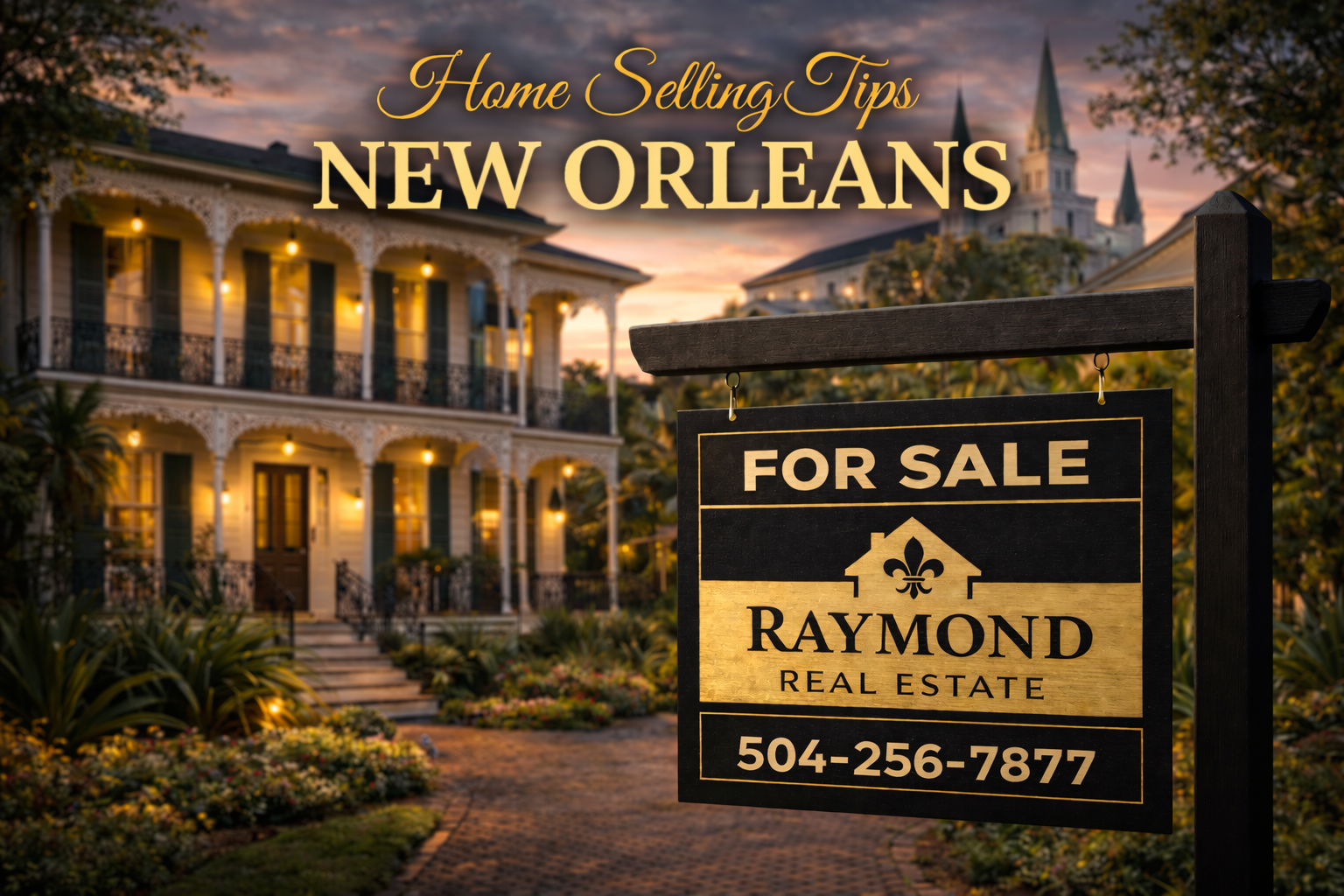
Selling a home in New Orleans asks more of a seller than a standard checklist. Buyers here are not just comparing square footage and finishes. They are weighing block-by-block location, flood risk, insurance costs, parking, historic character, and whether a home feels true to the neighborhood. The best new orleans home selling tips take all of that into account from the beginning, not after the listing goes live.
A polished sale usually starts well before photography or open houses. It begins with positioning. In a city where a Garden District historic home, a Warehouse District condo, and a Lakeview renovation can attract very different buyers, the strategy has to match the property. That is where sellers often gain or lose leverage.
New Orleans home selling tips start with pricing
The most expensive mistake sellers make is often overpricing in the first week. In New Orleans, buyers tend to be highly aware of neighborhood value, and many watch the market closely for months. If a home launches above what the market will support, it can sit long enough to raise questions that have nothing to do with the property itself.
Pricing correctly is not about choosing a number that leaves room to negotiate. It is about understanding how buyers will compare your home to recent sales, active competition, and pending listings that hint at where demand is moving. In some neighborhoods, architectural details, off-street parking, updated systems, or a lower flood insurance burden can justify a stronger price. In others, buyers may focus more on layout, condition, or monthly condo dues.
There is also a timing factor. A home that enters the market at the right price often gets stronger early attention, more qualified showings, and better negotiating leverage. Reductions later can still get a sale done, but they rarely recreate the momentum of a well-priced debut.
Prepare the house for the buyer you actually want
In New Orleans, charm helps, but deferred maintenance stands out quickly. Buyers may fall in love with original millwork, tall ceilings, or a classic shotgun layout, yet still hesitate if they see roof concerns, aging HVAC, moisture issues, or peeling exterior paint. Preparation should be guided by what your likely buyer will notice first and what could affect financing, insurance, or confidence.
That does not always mean a full renovation. Often, the smarter move is selective improvement. Fresh paint, lighting updates, refinished floors, improved landscaping, and careful repairs can change the way a home feels without overspending. For condos, sellers should also look beyond the unit itself. Common area presentation, building policies, parking details, and association documents can influence how buyers value the property.
Historic homes call for even more nuance. Buyers drawn to historic character usually expect some quirks, but they also want reassurance that the home has been responsibly maintained. Clear documentation on system upgrades, structural work, termite contracts, and past repairs can reduce friction once due diligence begins.
Condition matters, but so does presentation
A clean, edited home generally performs better than one that feels crowded or overly personal. Buyers need room to picture their own lives in the space. That means simplifying furniture placement, reducing visual noise, and making sure each room has an obvious purpose.
Presentation is especially important in homes with unusual layouts, smaller footprints, or strong architectural personality. The right staging or styling can help buyers understand flow and scale, while poor presentation can make even a well-kept property feel harder to evaluate.
Insurance, flood zones, and costs are part of the sale
In many markets, sellers can treat ownership costs as a side conversation. In New Orleans, they are central. Buyers frequently ask about flood zone designation, elevation certificates, current insurance premiums, and utility costs before they even schedule a second showing.
That makes transparency a real advantage. If you have useful documentation, organize it early. If your current costs are favorable, that can become part of the home's story. If they are higher than average, it is better to address that with context rather than let buyers make their own assumptions.
This is one of the biggest trade-offs in the local market. A beautiful property in a coveted area may still face resistance if ownership costs feel uncertain. On the other hand, a home with clear, manageable cost information can earn trust quickly, even if it is competing against flashier listings.
Marketing should match the property and the neighborhood
The strongest marketing plans are not generic. They are built around what makes a home compelling to a specific type of buyer. A French Quarter condo may need a different visual and messaging strategy than a family home in Lakeview or a renovated Uptown duplex.
Professional photography is the baseline, not the luxury upgrade. Buyers begin online, and in a market with distinctive architecture and strong emotional pull, visuals have to do more than document rooms. They should communicate atmosphere, scale, natural light, and the details that make the property feel special.
The written description matters too. Strong listing copy should highlight meaningful features without sounding inflated. Buyers in New Orleans respond well to specifics. Think gallery hallway, independent guest suite, gated parking, updated electrical, low-maintenance courtyard, or proximity to neighborhood favorites. Precision creates confidence.
For some homes, floor plans, video, and agent-led property promotion can make a meaningful difference. That is especially true when the layout is not obvious from photos alone or when the likely buyer may be relocating and making decisions from a distance.
New Orleans home selling tips for showings and timing
Once a listing is live, access and timing start shaping the outcome. Sellers understandably want showings to be convenient and controlled, but the easier it is for qualified buyers to see the home, the better the odds of creating momentum.
If possible, keep the property in ready condition during the first stretch on market. That early window is when interest is usually highest. Missed showings during that period can mean missed offers.
Timing also depends on the property type. Family-oriented homes often benefit from launch timing that aligns with school and relocation patterns. Condos, pied-a-terres, and urban properties may attract buyers on a different schedule. Seasonality matters, but not as much as preparation. A well-positioned home can sell in any month. A poorly prepared one can struggle in the busiest season.
Be ready for local buyer questions
New Orleans buyers often ask practical questions early. They may want to know about parking restrictions, termite history, foundation work, short-term rental rules, age of major systems, and what stays with the home. Sellers who are organized and responsive tend to inspire more confidence.
That confidence has value. When buyers feel they are getting clear answers, they are often more comfortable making strong offers and moving through inspections with less suspicion.
Negotiation is more than the sale price
A good offer is not always the highest number on paper. In this market, terms can change the real value of a contract quickly. Financing strength, appraisal risk, inspection posture, closing timeline, occupancy needs, and insurance feasibility all matter.
For example, a financed offer with a high price may still be weaker than a slightly lower offer from a buyer with stronger reserves and more flexibility. A condo sale may hinge on building document review. A historic property may need more careful handling during inspections. A seller who focuses only on headline price can miss the bigger picture.
The goal is not simply to accept an offer. It is to choose the path most likely to reach the closing table with your timing, proceeds, and stress level intact.
The local advantage is real
New Orleans is a city of micro-markets. Even within the same broad neighborhood, values and buyer expectations can shift by a few blocks, a school preference, a commercial corridor, or a flood zone line. That is why broad national advice only goes so far here.
Local strategy tends to outperform generic strategy. Sellers benefit when pricing, preparation, and marketing reflect how buyers actually shop in this city. That includes understanding what matters most in your immediate area, which upgrades translate into value, and how to present the property in a way that feels both polished and honest.
At Raymond Real Estate, that is the standard - tailored guidance, elevated presentation, and a sales strategy shaped around the home, the neighborhood, and the client behind it.
If you are thinking about selling, the right next step is not rushing to market. It is taking a clear look at your home's position, identifying what will matter most to buyers, and launching with intention. In New Orleans, that kind of preparation rarely feels flashy, but it is often what delivers the strongest result. Contact Us Today
Check out this article next